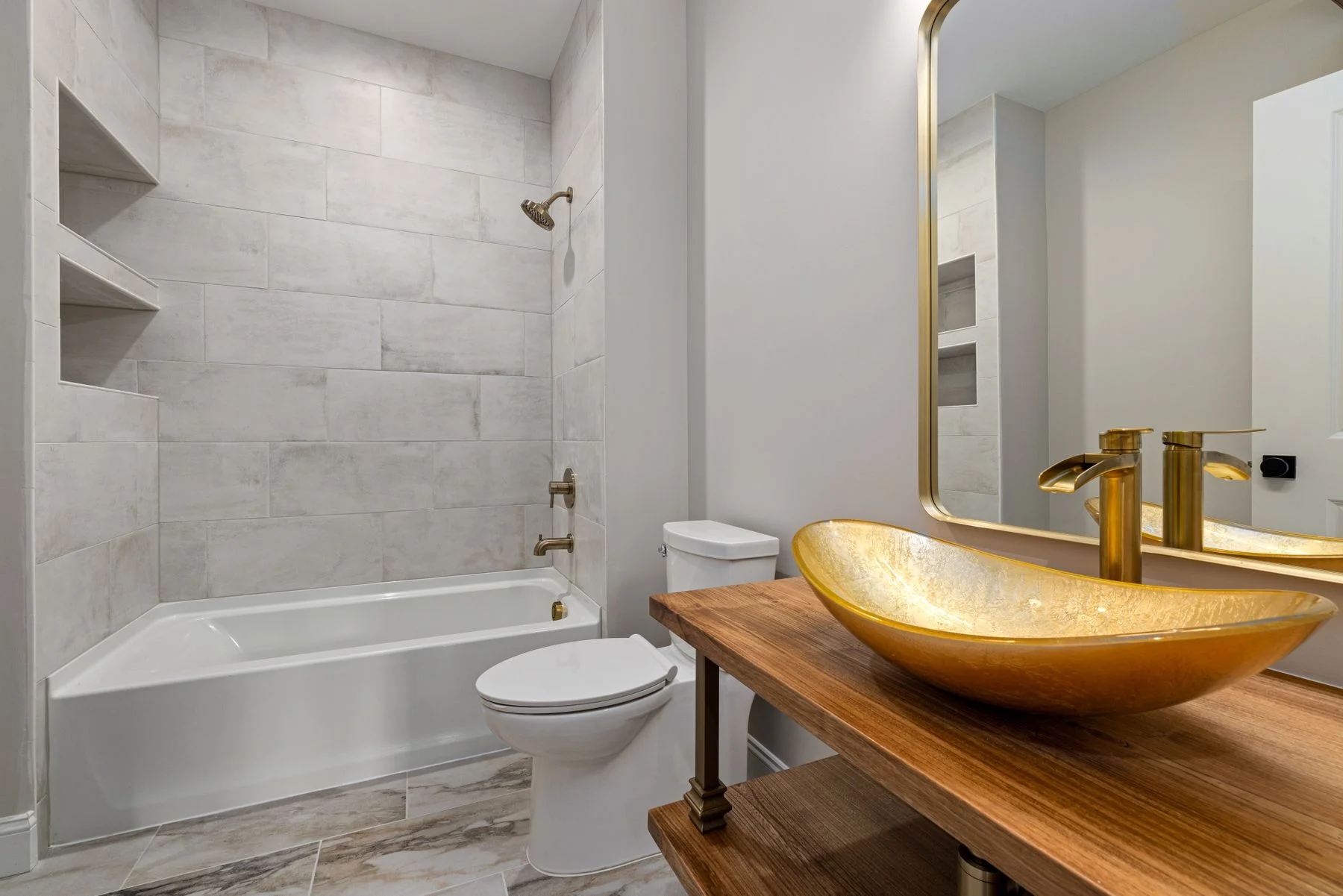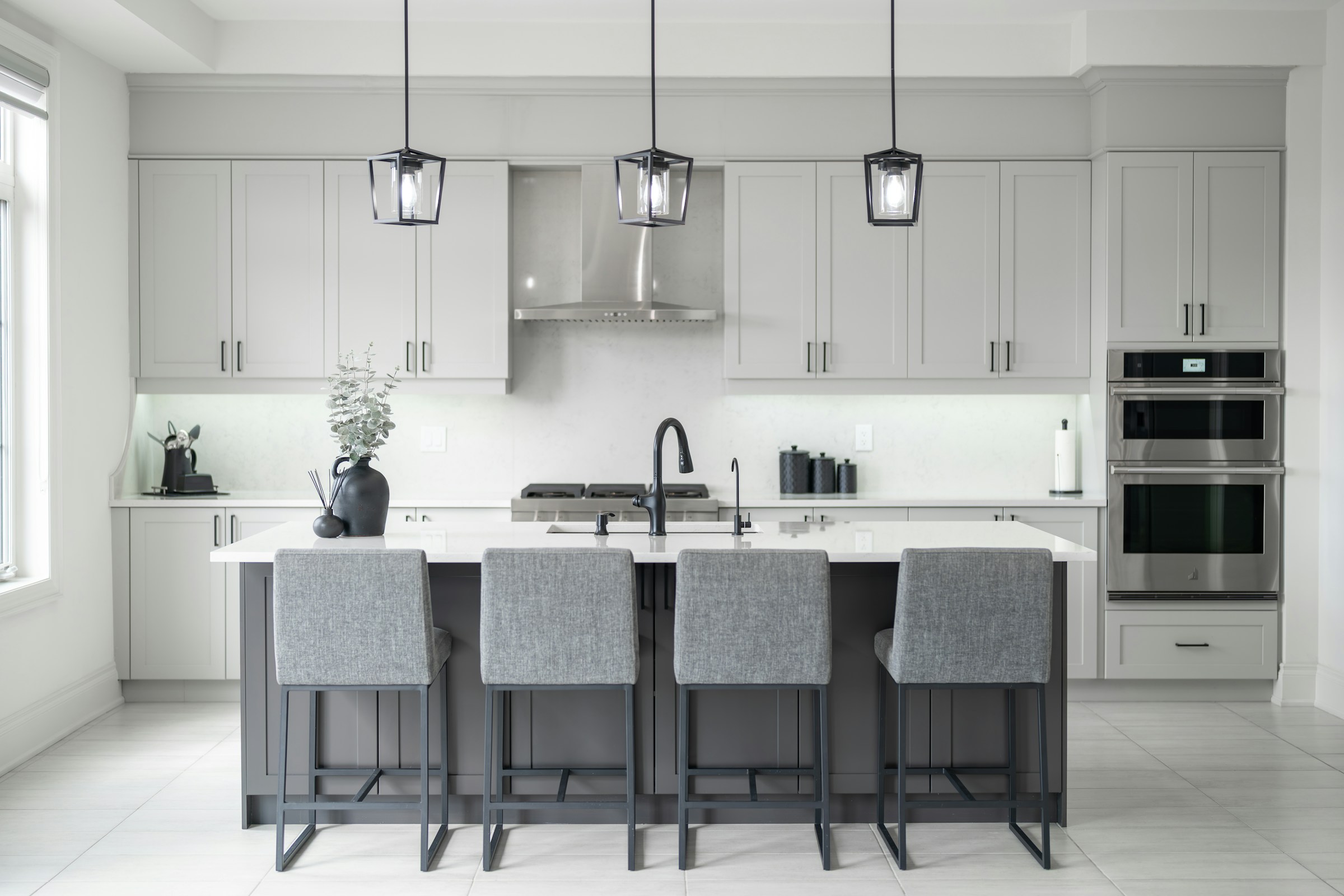
What a fair comparison looks like
Most comparisons online are really advertisements. One option is declared the winner, and the reasoning is thin. The pages in this section take a different approach. They describe how each option is made, how it behaves in a warm and damp climate, what it asks of the installer, what it asks of you after installation, and which household or house situations tend to favor one over the other.
A fair comparison starts by admitting that the right answer depends on the person. A material that suits a busy family room may be a poor match for a quiet bedroom. A layout that opens a kitchen to the living area may be exactly right for one household and a source of noise and clutter for another. So each page ends with questions to ask yourself and your contractor rather than a verdict.
The pages avoid prices, ratings, and statistics, because those change and depend on the product, the supplier, and the project. They also avoid naming brands. What remains is the reasoning that stays true whatever you choose: how things are built, where they tend to fail, and what to ask so that your choice fits your home.
How the comparison pages are organized
The comparisons fall into several groups. Surface materials include countertops, flooring, wall finishes, and exterior cladding. Building elements include windows, doors, roofs, and cabinets. Design choices include open and closed kitchens, recessed and pendant lighting, and walk in showers versus tubs. A few pages compare whole approaches, such as a full remodel against a cosmetic update, or a remodel against an addition.
Each page follows the same shape. It begins with a short description of both options, then walks through the comparison in areas that matter, such as durability, moisture behavior, maintenance, installation demands, appearance, and fit with South Florida conditions. It closes with decision steps you can follow in order, and a list of questions to bring to a professional.
Below this introduction, the page lists every comparison so you can scan by title. If you already have two options in mind, look for the matching page. If you are earlier in the process, read the pages about whole approaches first, because those decisions shape which smaller comparisons you will need.
- Surface comparisons cover countertops, flooring, paint and wallpaper, and exterior cladding.
- Building element comparisons cover windows, doors, roofs, and cabinet construction.
- Design comparisons cover open and closed kitchens, lighting styles, and showers versus tubs.
- Approach comparisons cover full remodels versus cosmetic updates and remodels versus additions.
Reading a comparison for your own house
Before you read, write down three facts about your situation: how the space is used, how long you plan to stay, and what you dislike about the current setup. Those three facts act as filters. A material that wins on appearance but loses on moisture behavior may not matter in a dry guest room, but could matter a great deal in a bathroom or a ground floor that sees humidity.
While reading, mark every statement that depends on conditions. Phrases such as in damp areas, near the coast, or over a concrete slab signal that the answer varies. Cross check those against your house. If you live in a condo, check what your association allows. If you are near the water, think about salt air. If the space is below a roof, think about what happens if a leak develops.
After reading, turn the comparison into questions. What would an installer need to know about my subfloor, my walls, or my layout? What happens if I choose this and later change my mind? What maintenance will I actually do? Bringing those questions to a professional turns a general article into a specific plan.
It also helps to read the weaknesses of your favorite option first. Most people read about what they already like and skim the cautions. Reversing that habit protects you from the disappointment that comes when a limitation appears after installation. If the cautions still feel acceptable once you have read them carefully, you can choose with confidence.
Comparing surfaces: countertops, floors, and walls
Surface choices are the most visible and the most personal. For countertops, the page on quartz versus granite countertops explains the differences in construction, seams, maintenance, and appearance, and the page on laminate versus solid surface counters addresses a different part of the market. Both ask you to think about how you cook and clean.
For floors, tile versus luxury vinyl plank compares two popular hard surface choices, and hardwood versus engineered wood looks at the construction differences that matter in humid conditions. A third page looks at carpet versus hard surfaces. In every floor comparison, the substrate under the surface deserves as much attention as the surface itself.
For walls, the comparison of paint and wallpaper is about more than looks. It touches on surface preparation, humidity, repair, and how a finish ages. A good installer will talk about what lies behind the finish as readily as the finish itself, and the comparison pages encourage you to ask for that conversation.
Seams, edges, and transitions deserve a mention in every surface comparison. Where two pieces meet is where wear, water, and visual flaws tend to appear first. Ask where the seams will fall, how edges will be finished, and how one floor meets another at a doorway. A clear plan for these details often separates a good installation from an average one.
Think about repair as well as installation. Some finishes can be touched up in place, while others must be replaced in larger sections if they are damaged. Paint can be refreshed on a single wall, whereas a continuous floor may need a wider repair to look consistent. Ask how each option is repaired and whether matching material will still be available later.
Comparing building elements: windows, doors, roofs, and cabinets
Building elements affect the structure and the weather performance of the home, so the comparisons here are a little more cautious. The page on impact windows versus shutters sets out the trade offs between permanent glazing and removable protection. It does not state ratings or code requirements, because those depend on your location. It does tell you what to ask your city, association, and insurer.
Roof comparisons look at shingle, tile, and metal in general terms. The page on shingle, tile, and metal roofs explains how each is built and how it behaves in sun, wind, and rain. Roof decisions involve structure, underlayment, flashing, and permits, so the page points you toward professional assessment rather than do it yourself guidance.
Cabinet comparisons, such as refacing versus replacing cabinets and framed versus frameless construction, help you understand what you are buying behind the door. Boxes, hardware, and interior space matter as much as the front, and these pages explain how to ask about them.
Lead times are another real difference between options. Some products are widely stocked and others are made to order, and the gap can shape your schedule. Rather than assuming a number, ask the supplier through your contractor to confirm lead times when an order is placed, and decide whether a slightly different option would keep the project moving without compromising what you need.
Comparing design choices: layouts, light, and bathing
Design comparisons are about daily living more than materials. Open versus closed kitchens ask how you cook, entertain, and manage noise and cooking smells. Recessed versus pendant lighting asks what each task needs and how the ceiling and the room's height affect the result. Walk in shower versus tub asks about ease of use, resale thinking, and the needs of everyone in the household.
These pages try to separate fashion from function. A feature that looks wonderful in a photograph may be impractical in your house, and a quiet solution may serve you better for longer. The comparisons ask you to think about reach, clearance, light, ventilation, and cleaning as well as appearance.
Many design choices also interact. A layout change may affect lighting, plumbing, and ventilation, and a different bathing choice may change tile, waterproofing, and the floor. Read the related comparisons together, and keep in mind that load bearing walls, plumbing runs, and electrical capacity are planning questions for your contractor and, where required, your city.
Comparing whole approaches
Some of the most important comparisons are not between products but between approaches. A full remodel and a cosmetic update differ in scope, disruption, and what they can solve. A remodel and an addition differ in permits, structure, and what the lot and the building allow. Pages on these topics help you frame the first big decision before you start choosing finishes.
A cosmetic update can be a sensible answer when the layout works and the surfaces are tired. A fuller remodel makes more sense when the layout, the plumbing, or the structure is part of the problem. An addition involves yet another set of questions about setbacks, structure, and approvals, which vary by city and community.
Whichever approach you favor, ask your contractor to write both versions as separate scopes so that you can compare like with like. Seeing a cosmetic scope and a fuller scope side by side often clarifies what you really want, and it prevents the situation where a small update quietly grows into a large project without anyone deciding that it should.
Be honest about how long you intend to stay in the home. A household planning to remain for many years can justify different choices than one planning to sell soon. Neither is wrong, but the difference changes which upgrades make sense, which finishes are worth their upkeep, and how much disruption you are willing to accept for a result you may enjoy for a long time.
How climate changes the answer
South Florida adds its own considerations to nearly every comparison. High humidity affects how floors, cabinets, paint, and adhesives perform and how long they take to dry. Salt air near the coast can accelerate corrosion on hardware and affect certain finishes. Hurricane season shapes decisions about windows, doors, roofs, and the timing of work.
Because of this, a material that performs well elsewhere may need extra thought here, and the comparison pages note where climate matters. They do not claim that one product is immune to these conditions. Instead they tell you what to ask about moisture, movement, fasteners, finishes, and maintenance, so you hear specific answers from the people who supply and install the product.
For a broader view, the guides library includes articles on humidity, salt air, and hurricane season planning. Use them alongside the comparisons whenever your decision involves exterior surfaces, wet areas, or openings in the building envelope.
Condos and townhomes add another layer, since some elements may belong to the association rather than to you. Check who is responsible for windows, doors, balconies, and exterior surfaces before you compare options for them. Your association can tell you which choices are permitted and what approval is needed.
Common mistakes when comparing options
The first mistake is comparing a sample to a finished installation. A small tile or a countertop chip looks very different when it covers a whole floor or a long run of counter. Ask to see larger samples, or visit a completed installation if one is available, and look at it in the kind of light your room receives. Morning light, evening light, and artificial light can each change how a surface reads.
The second mistake is comparing the visible layer and ignoring what lies beneath. Floors depend on the substrate, tile depends on waterproofing and setting materials, cabinets depend on box construction, and windows depend on how the opening is prepared and flashed. Two products that look alike can behave very differently because of what supports them. Ask the contractor to describe the whole assembly, not only the top surface.
The third mistake is letting a single feature decide everything. A material that is very durable but hard to repair, or very beautiful but demanding to maintain, may still be right for you, but only if you have looked at the whole picture. Write down the strengths and weaknesses of each finalist in the same format. Seeing them in parallel columns makes the real trade offs hard to ignore.
Turning a comparison into a decision
After you have read enough, it is time to decide, and a few steps help. First, rank what matters most for this particular space. Second, eliminate any option that fails a must have, such as moisture behavior in a wet room or an association rule. Third, look at what remains and ask your contractor to describe the installation, the preparation it needs, and the upkeep it will ask of you.
Then put the decision into the written scope. Name the product type, the layout, the finish level, and any allowance for items not yet chosen. The scope is what turns a preference into a commitment, and a clear scope protects both you and the contractor. If you want to see the options priced separately, ask for them as separate lines.
Our planning library offers checklists that make this step easier, including selection checklists for kitchens, bathrooms, and flooring. If your decision still feels uncertain, ask for samples, look at them in your own light, and live with them for a few days before committing.
How we work with your choices
Every project we run begins with a walkthrough and a written scope that states what is included and what is not. A fixed price is set against that scope before work begins, permits are pulled where the work requires them, and inspections are scheduled. You have one point of contact from estimate to punch list, and the site is cleaned at the end of each working day.
Core trades work in house, and specialist work such as some electrical or mechanical work is done by a specialist trade under our coordination. If something is found behind a wall, work pauses and the finding comes to you as a written change order with a price before it proceeds. The punch list is walked together before final payment.
If your comparison leads to a larger undertaking, the pages on kitchen remodeling, flooring installation, and exterior and roofing work explain how such projects are organized. The comparison pages are general guidance for homeowners, and they serve you well as a starting point for a conversation about your own house.
All pages in this section
- Quartz versus granite countertops
- Tile versus luxury vinyl plank
- Hardwood versus engineered wood
- Shingle, tile and metal roofs
- Refacing versus replacing cabinets
- Framed versus frameless cabinets
- Impact windows versus shutters
- Sliding doors versus French doors
- Walk in shower versus bathtub
- Paint versus wallpaper
- Recessed versus pendant lighting
- Open versus closed kitchen layouts
- Carpet versus hard surface flooring
- Gas versus induction cooktops
- Stucco versus siding
- Full remodel versus cosmetic update
- Remodel versus addition
- Pocket doors versus swinging doors
- Laminate versus solid surface counters
- Single hung versus double hung windows
Common questions
Do the comparisons name a winner?
No. The right choice depends on how you use the space, your house, and your priorities. Each page explains how the options differ and ends with decision steps and questions to ask, so you can reach a conclusion that fits your situation rather than following a general verdict.
Why are there no prices in the comparisons?
Prices vary by product, supplier, scope, and timing, so a figure on a general page would soon mislead. A fixed price is set against a written scope after a walkthrough. Ask for options as separate lines in that scope when you want to see the difference between two choices.
How does South Florida climate affect these choices?
Humidity, salt air near the coast, heat, and hurricane season affect how materials behave and when work can happen. The pages note where climate matters and tell you what to ask about moisture, corrosion, and openings, rather than claiming any product is immune to these conditions.
What if my association or city restricts my options?
Requirements vary by city, building, and community, so check before you choose. Ask your city building department about permits and your condo or homeowners association about approved materials and work rules. Include what you learn in the written scope so your choice is workable from the start.
Should I compare more than two options?
You can, but it helps to narrow to two or three that pass your must haves. Too many choices make decisions harder. Order samples of the finalists, look at them in your own light, and ask your contractor to describe installation and upkeep for each.
Can I ask for two versions of a scope?
Yes, and it is often wise. Ask for each option written as a separate scope or as clearly separate lines, so you can compare like with like. That prevents a small update from quietly growing and helps you see exactly what each choice adds or leaves out.