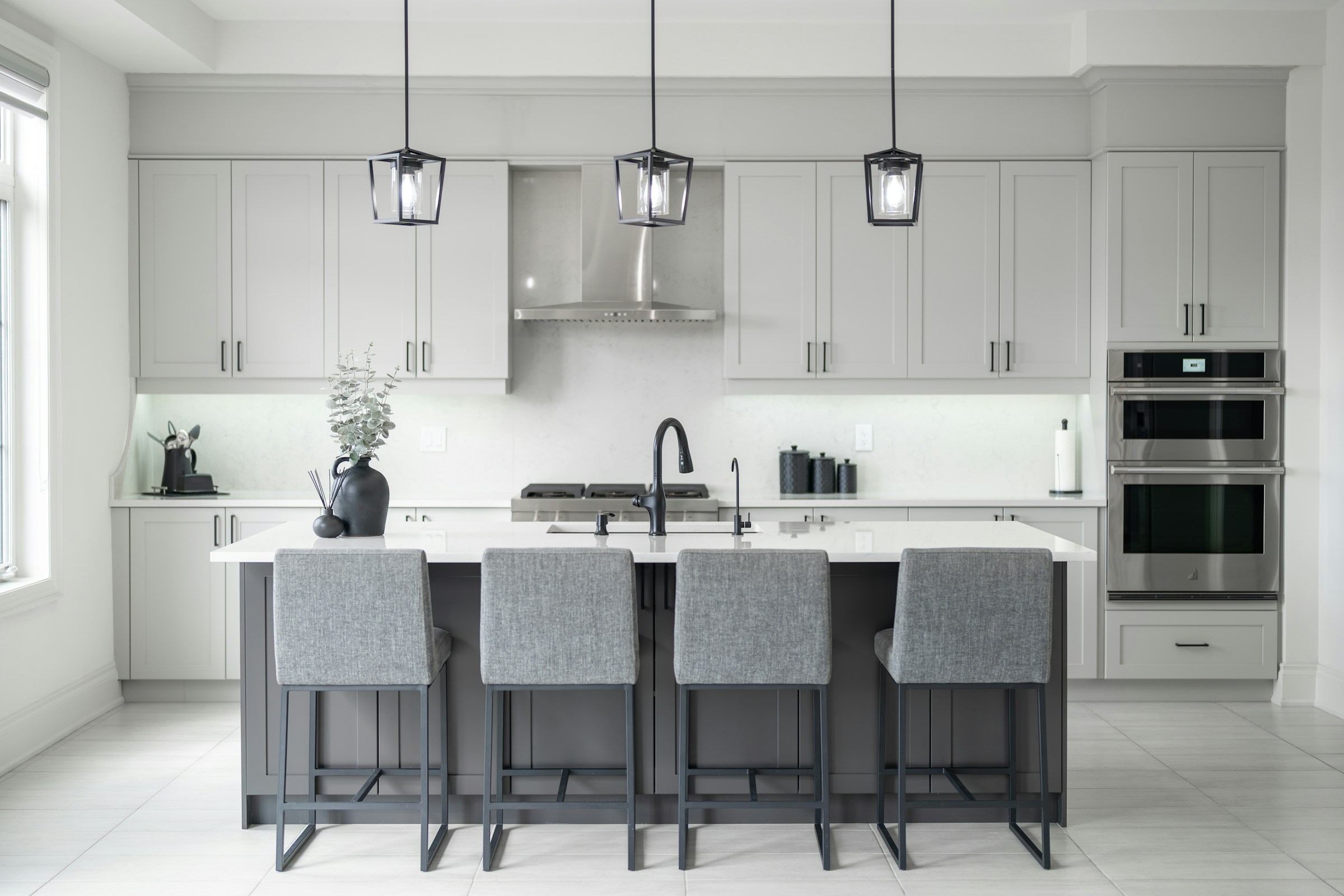
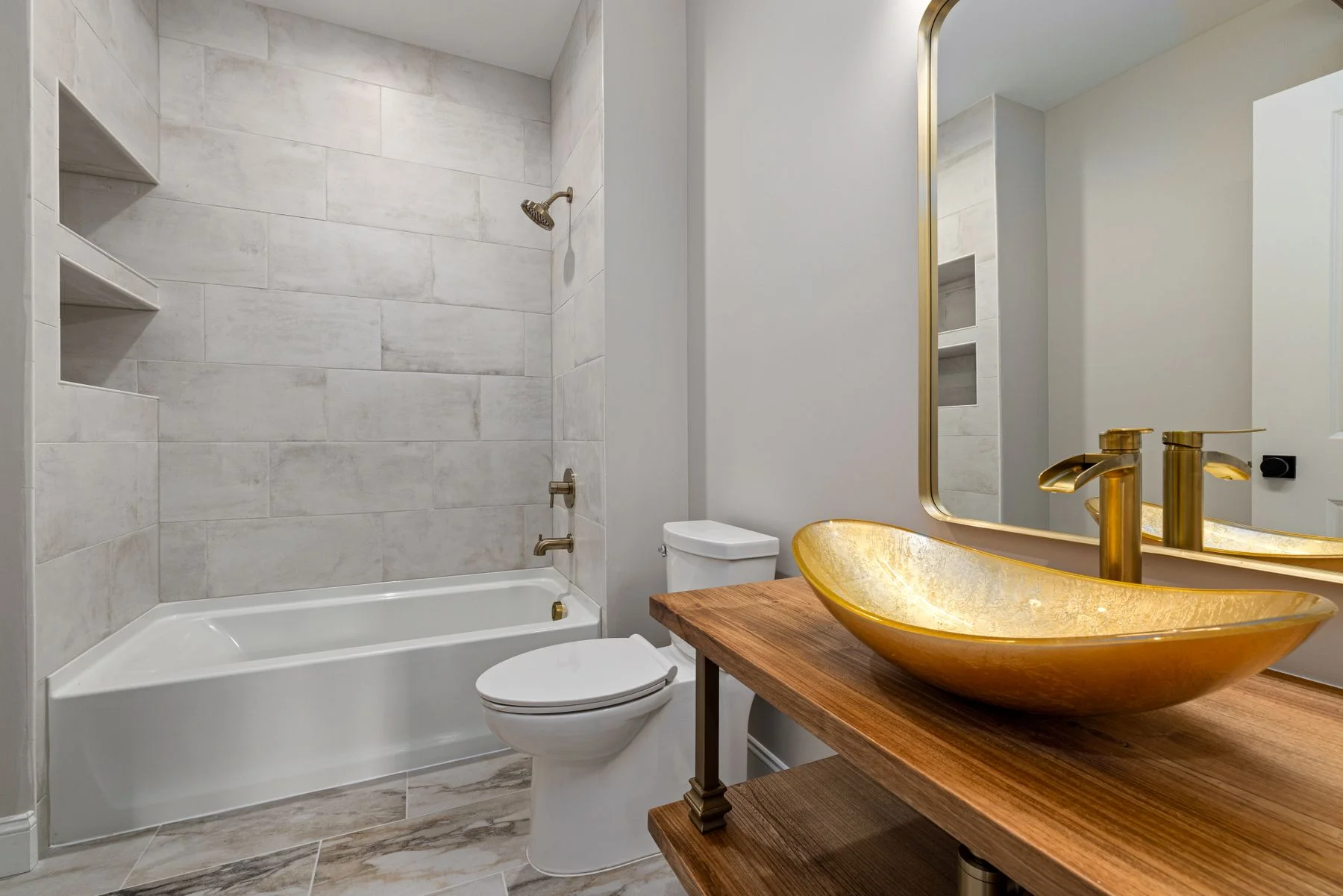
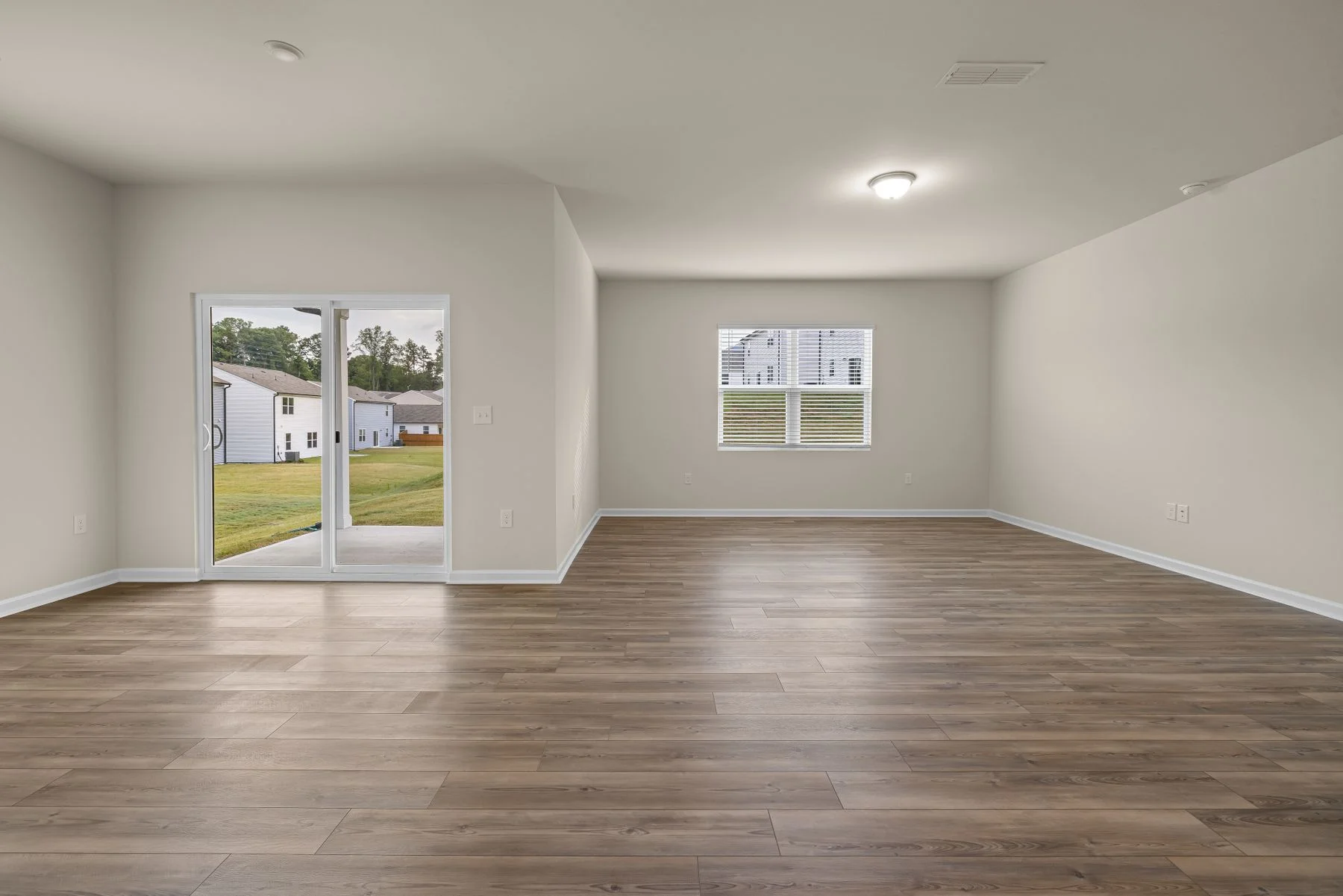
Gold Star Home Improvement is an insured general contractor working throughout Fort Lauderdale. We remodel kitchens and bathrooms, install flooring, replace windows and doors with impact-rated units, take on full interior renovations, and handle roofing and exterior work. Everything runs the same way: we walk the property, write down the scope, put a fixed price against it, pull the permits, and finish. Call (954) 331-7392.
What We Get Called For in Fort Lauderdale
- Kitchen remodels in Victoria Park, Coral Ridge and Rio Vista where the original galley layout no longer works
- Bathroom renovations in mid-century houses where the shower pan has finally failed
- Impact window and sliding door replacement on properties east of Federal Highway
- Flooring replacement over slabs that need moisture testing and levelling first
- Roof replacement and flat-section repairs on houses with mixed roof types
- Condo interior work where the association has rules on underlayment, work hours and elevator access
Fort Lauderdale ZIP codes we cover: 33301, 33304, 33305, 33306, 33308, 33309, 33311, 33312, 33315, 33316
Older Housing Stock, Predictable Surprises
A large share of Fort Lauderdale's single-family housing predates 1970. That means galvanised supply lines that have narrowed to a straw, cast iron drains at the end of their life, electrical panels with no room for the circuits a modern kitchen needs, and roofs whose underlayment aged out long before the tile did. None of this is alarming and none of it is unusual. What matters is that it gets found and priced during the walkthrough rather than announced in week two as a reason the number went up.
East of Federal: Salt, Wind and Water
Proximity to the Intracoastal and the ocean changes the specification. Fasteners corrode faster, exterior hardware fails sooner, and wind-driven rain finds any gap in a window perimeter. On coastal properties we default to stainless fixings, seal perimeters as a system rather than a bead of caulk, and take soffit and fascia condition seriously because that is where water gets into an attic.

Condo and Townhouse Work
A great deal of Fort Lauderdale living happens above ground level, and interior work in a condo is a different job to the same work in a house. Associations set acoustic underlayment ratings, permitted work hours, elevator protection requirements and sometimes an approved-vendor list. We ask for the rules before quoting, because a quote written without them is fiction.
Permits and Approvals in Fort Lauderdale
Fort Lauderdale has its own building department, and most of what we do , moving plumbing, adding circuits, replacing windows, roofing , requires a permit and inspections. We pull it, we schedule the inspections, and we hand you a closed permit at the end. In the historic districts and in some coastal areas there are additional review steps for exterior changes, and those timelines belong in the schedule from day one rather than as a surprise.
How We Price a Fort Lauderdale Project
We walk the space with you, look at what is likely to sit behind the surfaces, and write down exactly what is included and what is not. You get a fixed price against that scope, named allowances for anything you have not chosen yet, and a schedule with real dates. Nothing gets built without a signed change order. Insured, and the debris leaves with us. See everything we do or call (954) 331-7392.
A Little Fort Lauderdale Background
Fort Lauderdale grew out of a trading post on the New River and a fort built during the Second Seminole War, and it did not really become a city until the Florida East Coast Railway reached it in the mid-1890s. The land boom of the 1920s laid out much of the street grid still in use, and the network of finger canals dredged from the 1920s onward gave the city the waterfront lot count it is known for. The result today is a city where a 1925 bungalow, a 1960s ranch and a new build can sit on the same block , which is precisely why a contractor here has to be able to read a house rather than apply a formula.
Other Cities We Cover
Plantation · Davie · Weston · Coral Springs · Pembroke Pines · Hollywood · Sunrise · Miramar · Parkland · Cooper City · Southwest Ranches · Tamarac · Margate · Coconut Creek · Deerfield Beach · General Contractor Near Me
Waterfront Living and What It Asks of a Remodel
Fort Lauderdale is known for its canals, the Intracoastal Waterway and the boating culture that grows around them. For a remodeling project, that setting matters more than most homeowners expect. Homes near the water live with moisture in the air every single day, and the materials chosen for a kitchen, bath or floor should be picked with that exposure in mind rather than copied from a showroom photo. Homeowners along the water also tend to care about views, light and the connection between indoor rooms and outdoor living space. Those preferences are worth voicing early, because they influence where openings go, which finishes face the sun and how the layout should flow toward a patio, pool deck or dock.
When we walk a waterfront property, we look at how the house meets the outdoors. We check where doors and sliders open to patios or docks, how water drains away from the foundation, and whether older windows show signs of seepage around the frames. These observations shape the written estimate, because a plan that ignores them tends to produce surprises halfway through the work. It also helps to share the history of the property with us, including past leaks, storm damage or repairs. A canal front house that has been through several seasons has a story, and knowing that story lets us look in the right places and avoid assumptions that could lead to avoidable trouble later on.
Homeowners sometimes assume a remodel is just about the finishes they can see. In a canal setting, the quiet parts matter as much: the subfloor, the wall cavities, the fasteners and the sealants. We explain these hidden layers in plain language during the estimate so you understand why a decision is being recommended and can weigh the tradeoffs yourself. This is not meant to make a remodel sound intimidating. Most hidden conditions are manageable when they are found early and discussed openly. The goal is to give you a clear picture before decisions are made, so the finished work reflects both your taste and the realities of building near the water.
Salt Air, Humidity and Material Choices
Salt air and constant humidity are the two forces that wear on a Fort Lauderdale home faster than most people predict. Metal hardware can corrode, wood trim can swell, paint can bubble and grout can darken. Choosing materials designed to tolerate this environment is often the difference between a remodel that stays crisp and one that looks tired well ahead of schedule. Sun exposure is part of the picture too. South facing rooms and glass doors take far more ultraviolet light than shaded spaces, and that can fade floors, cabinet faces and fabrics. We mention this when you are choosing finishes, because a surface that suits a shaded hallway may not be the best choice beside a sunny slider.
Take flooring as an example. Some products handle moisture and temperature swings gracefully, while others can cup or separate when humidity climbs. Tile, certain engineered planks and sealed stone each behave differently underfoot and in cleaning. We lay out these options side by side, describing how each one feels, maintains and ages, so the decision rests on your daily habits and not only on the sample in your hand. Cleaning habits matter as well. Some surfaces need sealing on a regular schedule, while others only need a damp cloth. Be honest about how much upkeep you want to take on. A material that demands constant attention can become a burden, and the best choice is usually the one you will actually maintain.
The same thinking applies to cabinets, doors and bathroom fixtures. Moisture resistant boxes, corrosion resistant hardware and good ventilation all play a part. If your bathroom has a weak exhaust fan or your kitchen vents poorly, we will mention it, because new finishes installed over an ongoing humidity problem rarely look their best for long. Ventilation and air movement deserve a mention. Rooms that stay closed and cool can trap moisture, especially when air conditioning is turned down while the family travels. We talk about how your household uses the home, since sensible habits and the right materials work together to keep surfaces in good shape.
Older Homes and Newer Condos in the Same City
Fort Lauderdale offers a wide mix of housing, from established single family neighborhoods with decades of character to taller condo buildings along the water and in the downtown area. These two worlds call for very different approaches. A house gives us freedom to move walls and rework layouts, while a condo asks us to work inside rules set by the building. Waterfront and downtown properties can also face tight access. Narrow driveways, shared elevators, limited parking and busy streets all affect how materials arrive and how crews work. We ask about these details early so deliveries and tools can be planned sensibly, and neighbors are not caught off guard by activity at your address.
In an older home, the first question is often what is behind the walls. Past owners may have done additions or repairs that do not match current practice, and plumbing or electrical runs may not follow the layout you assume. We build room into the planning conversation for these discoveries and explain how any added work would be described and approved in writing before it proceeds. Previous work matters too. If an earlier owner added a room, enclosed a porch or changed a bathroom, the original plans may no longer reflect what is there. We look carefully and explain our observations, so any decisions about structure or systems are based on what actually exists rather than on guesses.
Condo owners usually care most about noise, elevator use, delivery windows and association approval. We encourage you to ask your management office for the renovation guidelines early, since they can affect which days work happens and how materials move through the building. Having those rules in hand before the estimate keeps the plan realistic from the very beginning. Ask your association or city about any restrictions that could affect your plan, such as limits on noise, hours or the handling of debris. Having these answers in advance makes your estimate more reliable, because it reflects the real conditions under which the work has to be done, not an idealized version.
Permits and Inspections in Plain Terms
Many remodeling projects in Broward County require permits, and the city or county reviews the plans and inspects the work as it moves along. Permits are not red tape for its own sake. They exist so that structural, electrical and plumbing work gets checked by someone other than the person who did it. Whether your project needs one depends on its scope. Because permitting rules can differ from one jurisdiction to the next and can change, we avoid making blanket statements. Instead, we review your specific project and describe what is likely to apply, so you are working from information that fits your property rather than general assumptions from a neighbor's experience.
Generally, cosmetic changes like paint or swapping a faucet are treated differently from moving plumbing, altering walls, replacing windows or changing electrical circuits. We talk through which parts of your plan are likely to need review so you are not surprised by a pause in the schedule. Your estimate will describe how permitting is handled for your particular job. It is also worth knowing that inspections are not a judgment on you. They are a routine checkpoint, much like a second pair of eyes on a document. When work is organized and accessible, inspections tend to be straightforward, and having the steps explained beforehand removes most of the anxiety people feel about them.
Inspections happen at defined stages, and work often cannot be covered up until an inspector has looked at it. That is why sequencing matters. A good plan orders the trades so that rough work is inspected before drywall closes it in, and finish work follows only when the earlier stages are cleared. Understanding this rhythm helps you see why a project moves in steps rather than in a straight line. If your project involves several trades, such as plumbing, electrical and tile, the order in which they work matters a great deal. Each one relies on the previous trade finishing properly. We coordinate the sequence so that crews are not tripping over each other and your home is not left in limbo.
Preparing Your Fort Lauderdale Home for Work
The more you prepare before the crew arrives, the smoother the project tends to run. Start by clearing the work area, including closets, shelves and anything fragile. If we are working in a kitchen, plan a temporary place to prepare simple meals. If a bathroom is out of service, decide in advance which other bathroom the household will use. Consider your own calendar as well. Holidays, travel, guests and family events can all affect when you want the house disrupted. Tell us about dates that matter to you, and we will factor them into the conversation about sequencing, so you are not caught with a torn up kitchen right before a gathering.
Think about access, too. If you live on a narrow street or in a building with limited parking, let us know so deliveries and tools can be planned sensibly. Protect valuables, move furniture that cannot stay, and tell us about pets, young children or anyone with health sensitivities to dust. These details change how we set up and protect the surrounding rooms. Make a plan for your belongings too. Items stored in garages or spare rooms can be exposed to dust and heat, so choose a storage spot that suits what you are moving. Photographs of rooms before work begins can also be helpful if you later want to compare layouts or confirm how things were arranged.
It also helps to settle your selections early. Cabinet styles, tile, fixtures and paint colors all take time to be chosen and delivered. Delays often come from undecided finishes rather than from the work itself. We help you organize a selection list so decisions are made in a sensible order, which keeps the project from stalling while a product is on order. Think ahead about communication. Decide who in the household will make the final calls on selections, since conflicting opinions are a common source of delays. When one person is the point of contact, answers come faster, and the project benefits from consistent decisions instead of last minute changes of direction.
Hurricane Season and Your Remodel
Living in South Florida means planning around hurricane season, and a remodel is no exception. If your project involves windows, doors or exterior work, it is worth discussing how the season may affect scheduling and material availability. Storm preparation can also tie up trades and suppliers across the region, which is simply a reality of building here. Preparation is also an act of confidence. When the house is ready, the selections are made and everyone understands the plan, the project begins on solid footing. We would rather spend a little extra time up front organizing details than have the crew waiting around because something was left unresolved.
When a storm is approaching, safety comes first. Exterior openings may need to be secured, loose materials stored, and open work areas protected from water. We talk with homeowners ahead of time about what that would look like for their particular project, so a plan exists before the forecast turns serious rather than during the scramble. Another point is material availability. Supply chains can be unpredictable, and storm season can affect deliveries to the whole region. We discuss which items may take longer to arrive and suggest ordering early where it makes sense, so a delayed product does not hold up the rest of the work.
Many Fort Lauderdale homeowners also use a remodel as a chance to improve storm readiness, for example by upgrading to impact rated windows and doors or by reviewing how an older roof line and exterior finishes are holding up. We can explain the options and how they fit with the rest of your project, leaving the final choices with you. For waterfront owners with boat lifts, docks or seawalls, exterior work may involve additional rules and specialists. We are open about what falls within our scope and what may require another professional, so you understand who handles each part of your overall plan and nothing is left uncovered.
Estimates, Change Orders and Staying Informed
A clear estimate is the foundation of a good remodel. Ours is written and explained to you before any work begins, so you can see what is included, what is not, and which choices could change the scope. We walk through it with you, and you are welcome to ask about any line that is unclear. Finally, remember that a calm homeowner is a helpful homeowner. Storm preparation does not need to cause panic when there is a sensible plan and good communication. We will talk through your priorities and help you decide how much storm readiness work belongs in your project and what can wait.
Changes are a normal part of remodeling. You may decide to upgrade a countertop, add an outlet, or relocate a fixture once you see the room taking shape. When that happens, a change order puts the adjustment in writing, describing the added or removed work, so there is no confusion later about what was agreed. If any line looks unfamiliar, ask. We would rather explain a term, a material or a step than have you sign off on something you only partly understand. A clear estimate should read like a roadmap, and our job is to make sure that you can follow every turn on it.
We also keep you informed as the project moves forward. Expect conversations about what happens next, what decisions are coming, and what you may need to do. Good communication is less about constant updates and more about the right information at the right moment, so you can plan your own life around the work. Keep your own copy of the paperwork and notes from each conversation. If you later wonder what was decided, you will be able to check. Written records protect everyone involved, and they make it easy to confirm details such as which fixture, finish or product was selected for a given room.
Questions Worth Asking Any Fort Lauderdale Contractor
Choosing who works in your home is a big decision, and a few good questions go a long way. Ask how the estimate is written and whether it is explained before you commit. Ask who will be on site day to day, how changes are handled, and how permits and inspections fit into the plan. You may also see that some changes affect the schedule more than the cost, or the other way around. We try to explain both effects whenever you consider an adjustment, so your decision is informed. Even small changes can ripple through the sequence, so it is wise to pause and ask first.
Ask for the details of the scope in words you can follow. Vague descriptions leave room for misunderstanding, while specific ones protect both sides. It is reasonable to ask what happens if something unexpected is found behind a wall, and how that situation would be documented and approved before it affects your plan. Think about references and the way a contractor talks about past work, but keep your focus on what you can verify in conversation. Does the person explain the process clearly, return calls, and put things in writing? Those everyday behaviors say a lot about how a project will unfold.
You can also ask how the contractor protects your home during the work, how the site is kept orderly and how final walkthroughs are handled. We welcome these questions at Gold Star Home Improvement. If you would like to talk through a Fort Lauderdale project, call us and we will start with a conversation about what you have in mind. It is perfectly acceptable to meet more than one contractor, compare how each explains the scope and choose the one you trust. We welcome that. A good fit comes from clear communication and a shared understanding of your goals, and you should never feel rushed into a decision about your home.
More questions homeowners ask
Do canal front homes need different materials for a remodel?
Often they benefit from materials chosen with moisture and salt air in mind, such as corrosion resistant hardware, sealed surfaces and flooring that tolerates humidity. We review the exposure at your property during the estimate and explain the options, so you can balance appearance, upkeep and how long you want the finishes to hold up.
Can you work inside a Fort Lauderdale condo?
Yes, as long as the work follows your building's renovation rules. Many associations set approved work days, require paperwork and limit how materials move through the building. We suggest asking your management office for the guidelines first, then sharing them with us so the written estimate and plan reflect the actual rules you have to follow.
How do I know whether my project needs a permit?
It depends on the scope. Changes to structure, plumbing, electrical systems, windows or doors commonly need review, while simple cosmetic updates often do not. During the estimate we go over which parts of your plan are likely to be reviewed and explain how that fits into the sequence of the work.