Gold Star Home Improvement is a Broward County general contractor. Everything below is run the same way: we walk the space, write the scope down, put a fixed price against it, and do not build anything that was not agreed in writing. Insured.
Kitchens
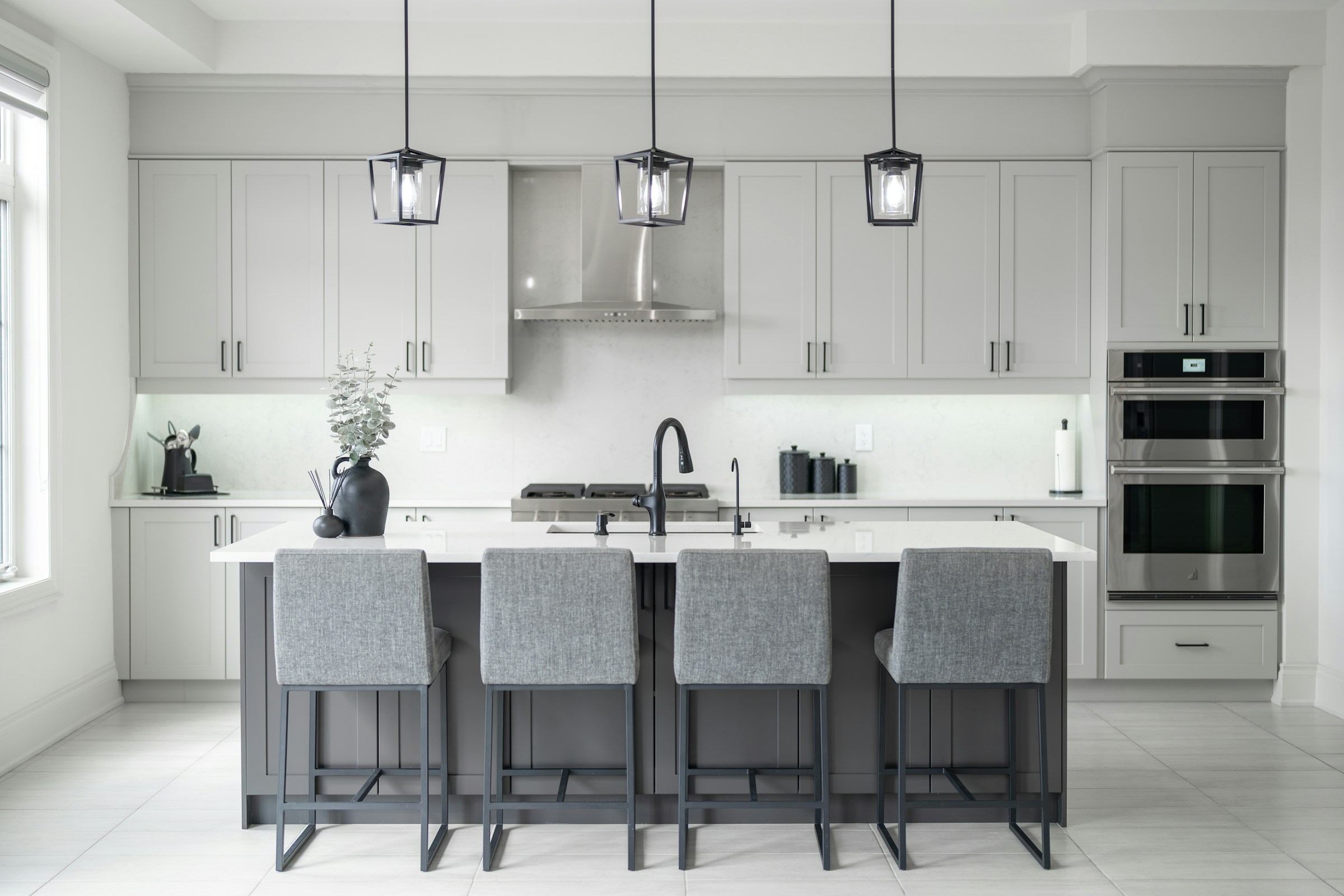
Cabinets, counters, plumbing and electrical, sequenced so counters are templated off installed boxes and nothing waits on a supplier nobody chased. Full demolition through appliance set.
Bathrooms

Waterproofing done as a system rather than a formality, flood-tested pans, ventilation that actually vents outside, and tile set on a substrate that was made flat first.
Flooring
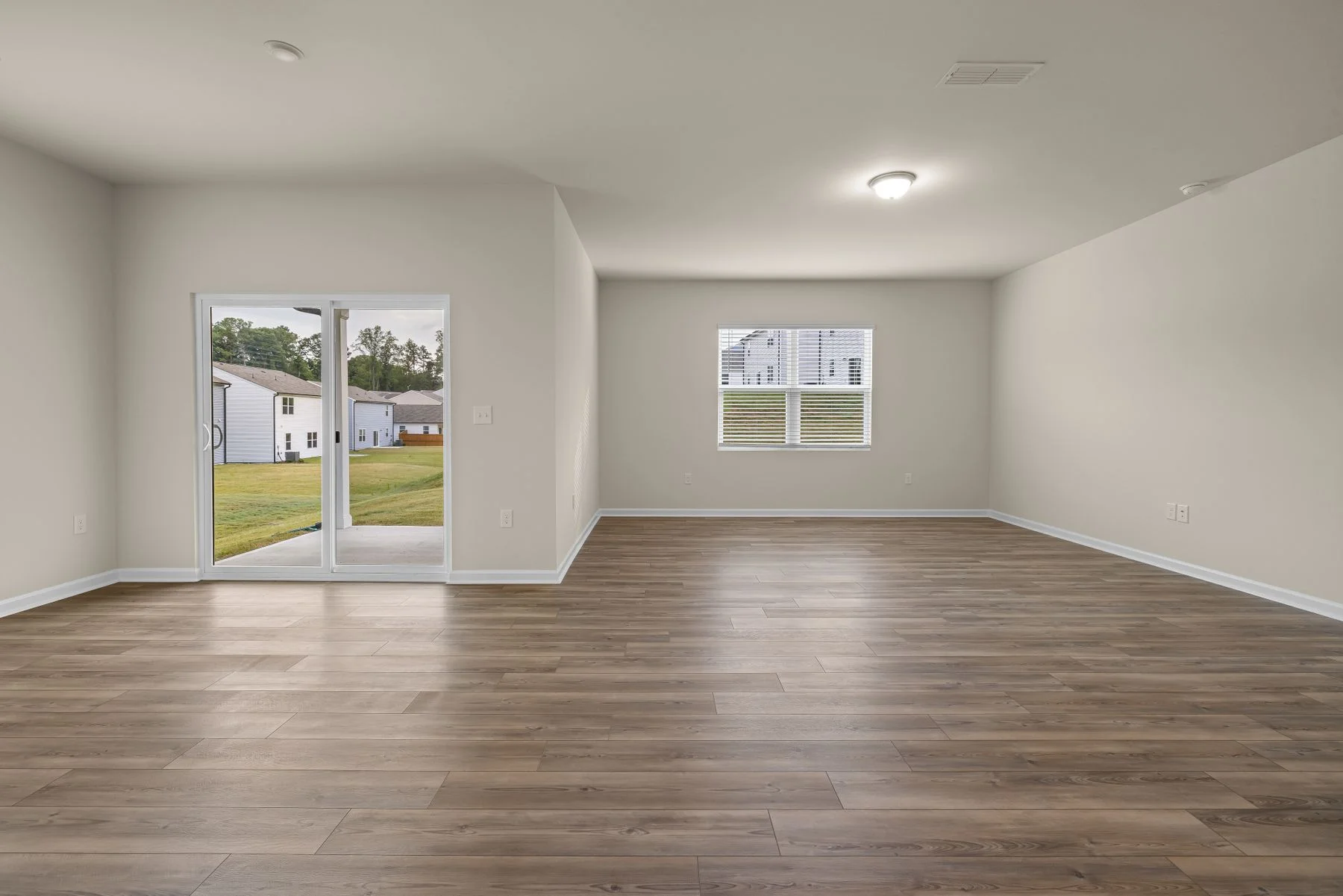
Porcelain, luxury vinyl, engineered wood and laminate. Moisture testing on slabs, self-levelling where the floor needs it, and condo underlayment requirements checked before we quote.
Windows & Doors

Approved products for the specific opening, correct anchoring, sealed perimeters, permits pulled and closed, and the documentation your insurer will ask for.
Interiors

Walls opened up, ceilings reworked, lighting redesigned, trim and doors replaced , every trade sequenced by one company on one schedule.
Exteriors & Roofing
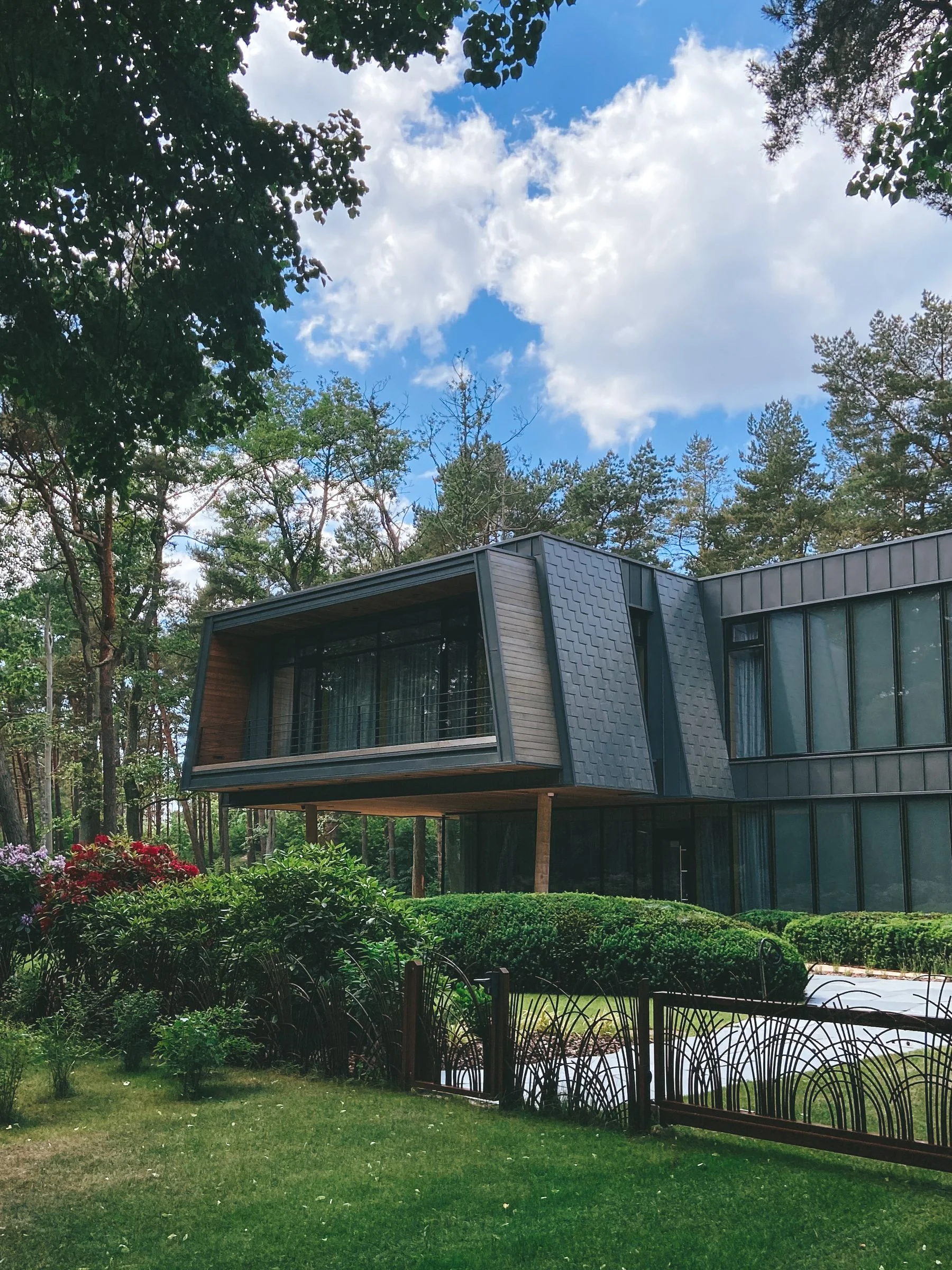
Tile, shingle, flat and metal roofing, plus stucco, soffit, fascia and exterior coatings. The envelope treated as one system instead of six invoices.
One Contractor or Six Trades
You can hire a tiler, a plumber, an electrician, a drywall crew, a painter and a cabinet installer separately. It is sometimes cheaper on paper. What it costs you is sequencing , because when the tiler is ready and the plumber is on another job, the week is simply gone and no one is accountable for it. A general contractor is someone whose job is that calendar.
What Happens Before You Sign Anything
A walkthrough, a conversation about what you actually want the space to do, and a written scope with a fixed price. Allowances are named where selections are still open, so you can see the exact places the number can move and by how much. Nothing gets added mid-job without a signed change order.
Permits Are Part of the Price
Where the work requires a permit, we pull it, we schedule the inspections, and we close it out. A closed permit is what makes the work provable when you sell and what keeps an insurance claim uncomplicated. Anyone offering to save you money by skipping one is transferring risk to you and calling it a reduction.
Where We Work
Fort Lauderdale, Plantation, Davie, Weston, Coral Springs, Pembroke Pines, Hollywood, Sunrise, Miramar, Parkland, Cooper City, Southwest Ranches, Tamarac, Margate, Coconut Creek and Deerfield Beach. See the general contractor near me page for ZIP coverage by city.
How a Project Runs From First Call to Final Walk
Every project begins with a conversation, and the most useful thing you can bring to it is a clear picture of what bothers you about the house. Maybe the kitchen layout wastes steps, the windows rattle in storms, the floors feel uneven, or a roof stain keeps coming back. We listen first, then visit the property, look at the areas involved and ask questions about how your household lives. That visit shapes everything that follows, from the scope to the order of work, and it is the foundation for an estimate you can trust.
After the visit, the details get written down. A good scope describes what will be removed, what will be installed, what stays, which materials are involved and how the work will be protected and cleaned up. We explain it to you in ordinary language and invite changes before anything is final. This is also when permit needs are discussed, product choices are narrowed and any open questions about the existing conditions are listed. A project that starts with a precise written plan tends to finish with fewer arguments.
Once work begins, you should know who is on site, what is scheduled and what decisions are coming up. Surprises are explained, not hidden. When the work is complete, we walk the property with you, compare it to the written scope, note anything that needs adjustment and review care instructions for the new surfaces and products. That final conversation matters because it closes the loop between what was promised on paper and what is now standing in your home. Photos from start to finish also give you a record of what is inside your walls, which is useful for any future project.
Deciding What to Tackle First
Most homeowners have a longer wish list than a single budget can cover, so ordering the work matters. The general principle is to protect the house first and beautify it second. Anything that keeps water out, such as the roof, windows, doors and exterior envelope, tends to come before interior finishes, because water damage undoes the nicest new floor or cabinet. If there is an active leak, soft framing or a safety concern, that moves to the top of the list regardless of how appealing the other projects are.
Next, think about what disturbs the house the most. Kitchens and bathrooms are the heaviest projects, with plumbing, electrical, cabinetry and tile all in play. Flooring and paint follow, because they are easily damaged by other trades. If you plan several projects over a few years, sequencing them so you do not tear out fresh work later saves real money. For example, replacing windows before repainting exterior walls avoids patching new paint, and running new electrical before flooring avoids opening a finished floor. Writing the plan down, even on a single page, keeps priorities from drifting when a tempting new idea arrives mid project.
There is also a case for combining projects. Opening a wall once to relocate plumbing for a bathroom and a kitchen can be more efficient than doing each separately. Permits, mobilization and cleanup are shared, and the house is disrupted once instead of twice. On the other hand, taking on too much at once can overwhelm a household. We help you weigh the tradeoffs, draw up a phased plan if that makes sense and keep notes so future work fits cleanly with what is already done.
How Pricing Is Explained
We believe pricing should be understood before it is accepted. That means an estimate written in plain terms that shows what is included, how it is organized and which items are fixed scope versus items that depend on conditions found during the work. Allowances for materials you will choose, such as tile, fixtures or hardware, are identified as allowances, with an explanation of what happens if your selection costs more or less than the allowance. Nothing should be buried in vague language or left for later explanation.
Why do two estimates for the same project look different? Usually the scopes are not identical. One may include demolition, disposal, permit handling, trim and paint while another quietly leaves them out. One may name a specific product while another uses a generic label. One may assume the existing conditions are perfect. When you compare, line up the scopes first and ask about every difference. A number without a scope is just a number, and the cheapest looking one often grows later through change orders.
Unknowns are part of remodeling, especially in older homes. Walls hide old plumbing, floors hide moisture, and roofs hide rot. A responsible estimate acknowledges these unknowns and explains how they will be handled if they appear. If something changes the scope, you receive a written change order that describes the work and the effect on the project before it proceeds. You always have the option to approve, decline or discuss it. Our job is to keep you informed so there are no financial surprises, only decisions you made with full information.
Scheduling and the Order of Trades
A remodel is a choreography of trades, and the order matters. Demolition comes first, followed by structural and framing work, then rough plumbing and electrical, then inspections, then insulation and drywall, then cabinets, tile and flooring, then paint and trim, and finally fixtures and finishing touches. Each step depends on the one before it. When a delivery is late or an inspection is delayed, the schedule shifts, and a good contractor explains how and why instead of leaving you to guess. Knowing the sequence also helps you understand why you may see no one on site for a day or two while a delivery, curing time or inspection takes its turn.
Material lead times are one of the biggest variables. Cabinets, windows, doors, countertops and specialty tile can take a while to arrive, and those timelines are set by manufacturers and suppliers, not by us. We do not promise dates we cannot control, but we do tell you what we know and keep you updated as orders progress. The most helpful thing you can do is make selections early and confirm them in writing, because late decisions are the most common cause of idle time on a job site.
Weather matters in South Florida too. Summer afternoon storms interrupt exterior work, and hurricane season can reshuffle priorities for everyone. Interior work is less affected, but humidity influences paint, flooring and adhesives. We account for these realities when planning, build in buffers where they make sense and prefer to sequence exterior work for periods when conditions are more favorable. A flexible plan that adjusts honestly is better than a rigid schedule that collapses at the first rain. We also keep a list of tasks that can move forward on a rainy day so the crew stays productive without compromising anything that needs dry conditions.
Permits and Inspections in Plain Terms
Many remodeling projects require a permit, and the reason is simple: the work affects safety. Structural changes, electrical, plumbing, roofing, windows and doors, and some mechanical work are typically reviewed and inspected by the local building department. Each city in Broward County has its own procedures, though the general pattern is similar. A scope or plan is submitted, reviewed and approved, work proceeds, and inspectors visit at set stages to confirm it meets code. Our role is to explain which items apply to your address, describe how the process will unfold and keep the paperwork organized so nothing is left open when the work is done.
As a homeowner, you may not see much of this behind the scenes, but it affects the schedule and the result. An inspection that does not pass is not a catastrophe; the item is corrected and the inspector returns. The key is that the process exists for your protection. Unpermitted work can cause trouble when you sell, refinance or file an insurance claim, and it can leave hidden problems nobody has checked. We discuss what applies to your project at the start so expectations are clear.
Ask who is pulling the permit and how you will receive copies of approvals and final sign offs. Keep them with your home records. Some projects, like cosmetic painting or simple fixture swaps, may not need a permit, but it is better to ask than to assume. When a contractor suggests skipping a permit to save time or money, that is worth pausing over. The short term convenience rarely outweighs the long term risk, and a reputable professional will explain the process rather than dodge it.
Living in the House During the Work
Staying in your home during a remodel is possible, but it takes planning. Noise, dust, strangers and disrupted routines come with the territory. The more invasive the project, the more important it is to set up a temporary kitchen, protect pathways and decide which rooms are off limits. We talk through these arrangements before work begins so you know what to expect each day and can prepare accordingly. Small steps like a microwave station or a coffee setup in another room make a big difference.
Dust control is a real concern. Plastic barriers, floor protection, negative air in some situations and daily cleanup help, but they cannot eliminate every particle. If anyone in the home has respiratory sensitivities, tell us so we can adjust methods, and consider spending the dustiest days elsewhere. Pets and small children also need thought, since tools, open walls and open doors create hazards. Having a plan for where everyone will be during the loudest work keeps the household calmer and the crew safer. Plan ahead by putting small valuables and documents in a closed room well away from the work, since dust finds its way into almost every open space.
Communication helps most of all. A short daily conversation about what happened today and what is planned tomorrow prevents misunderstandings. Tell us about your schedule, deliveries you expect and any rooms where privacy matters. Keep valuables and sentimental items out of the work zone. When you feel frustrated, which happens on long projects, say so early. Most problems are easier to fix when they are small, and we would rather hear a concern on Tuesday than discover on Friday that you were unhappy all week.
Condos, HOAs, Humidity and Storm Season
A large share of Broward housing sits inside associations, and the rules can shape a project as much as the design does. Condo buildings often limit work hours, require approval for flooring and exterior changes, and ask for insurance paperwork from contractors. Single family communities may restrict exterior colors, roof materials, fences or window styles. Review your documents first, contact management early and bring the requirements to us before choices are made. It is far easier to design within the rules than to redo work that was rejected.
Climate is part of every decision. High humidity affects paint adhesion, wood movement, mildew and air conditioning load. Salt air near the coast and canals accelerates corrosion of hardware and fasteners. Strong sun fades finishes and ages roofs. We choose materials and methods that stand up to these conditions, and we explain why, so you understand the reasoning behind a recommendation. A product that works well in a dry climate can disappoint here, and local experience on this point is valuable. Mildew resistant paints, moisture rated backing and corrosion resistant hardware are examples of small choices that matter a lot over the years in a house here.
Hurricane season, from June through November, adds another layer. Exterior projects are scheduled with weather in mind, materials are secured, and work areas are made safe when storms approach. Planning larger exterior projects well ahead of peak season reduces stress. It is also worth thinking about storm readiness while remodeling, such as whether the openings in your home are protected and whether the roof is sound. We are glad to point out improvements that make sense alongside whatever else you are doing. Planning around these seasons is a simple, practical habit that keeps both the project and the household on steadier ground.
Questions to Ask Any Contractor, Including Us
The questions you ask before signing tell you more than any brochure. Who will be on site each day, and who is the person you call when something comes up? Who pulls the permit, and how will you get copies of the approvals? What exactly is included in the scope, and what is excluded? How are materials chosen, ordered and stored? What happens to debris? How are changes handled, and how do they affect the schedule? A contractor who welcomes these questions has probably answered them many times.
Ask to see how an estimate would be written for your project before you decide. Ask how allowances work and how payments are structured in relation to progress. Ask what protection is used for floors, furniture and landscaping, and how daily cleanup is handled. Ask how issues discovered after completion are addressed. None of this is rude or unusual; it is how informed homeowners protect themselves. We explain our approach and answer each question plainly, in writing when you prefer it. If you prefer to receive answers by email or text instead of during a site conversation, say so, and we will follow that preference throughout.
Finally, trust your sense of how a contractor communicates. Do they return calls, explain things clearly and treat your questions with respect? Do they put decisions in writing? Do they talk about problems as well as benefits? Remodeling is a relationship that lasts weeks or months, and the quality of communication often predicts the quality of the result. If something does not feel right during the first conversations, keep looking. If it does, ask us anything, and we will explain how a project would run in your home.
More questions homeowners ask
How do I decide which project to do first?
Start with anything that protects the house from water or addresses a safety concern, such as roof problems, leaking openings or failing structure. After that, consider projects that disturb the home the most and sequence finishes like flooring and paint toward the end. We can help you build a phased plan so earlier work is not undone by later work.
Why do estimates for the same project differ so much?
Usually the scopes are not the same. One estimate may include demolition, disposal, permits, trim and paint while another leaves them out, or it may name a specific product while another uses a generic description. Compare scopes line by line and ask about every difference. We write ours in plain language so comparison is easy.
What happens if you find a problem hidden in a wall or floor?
We stop, document the condition with photos, explain the options and describe any added work in a written change order before proceeding. You can approve, decline or ask questions. Hidden conditions are a normal part of remodeling, particularly in older homes, and our goal is to handle them openly so you stay in control.