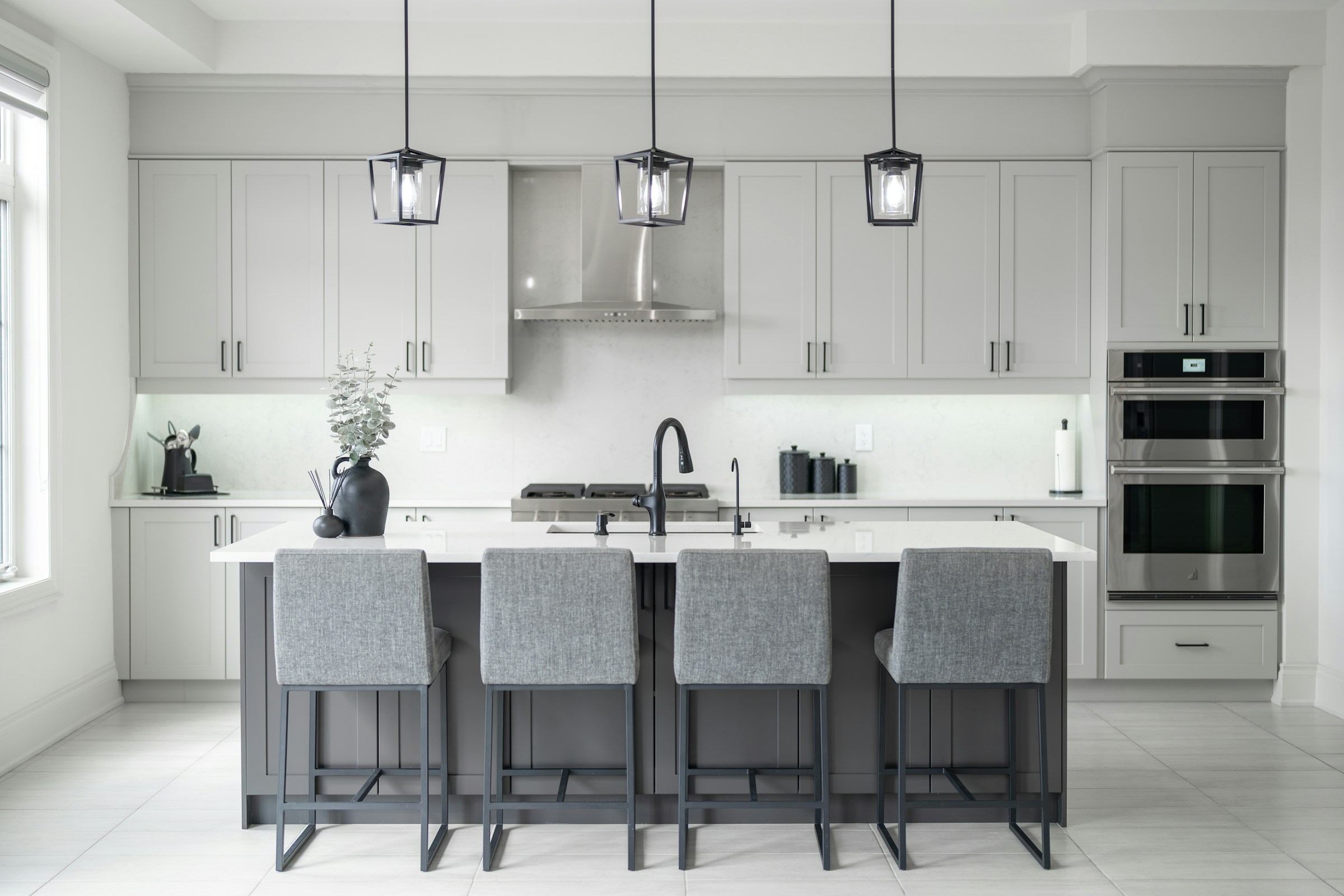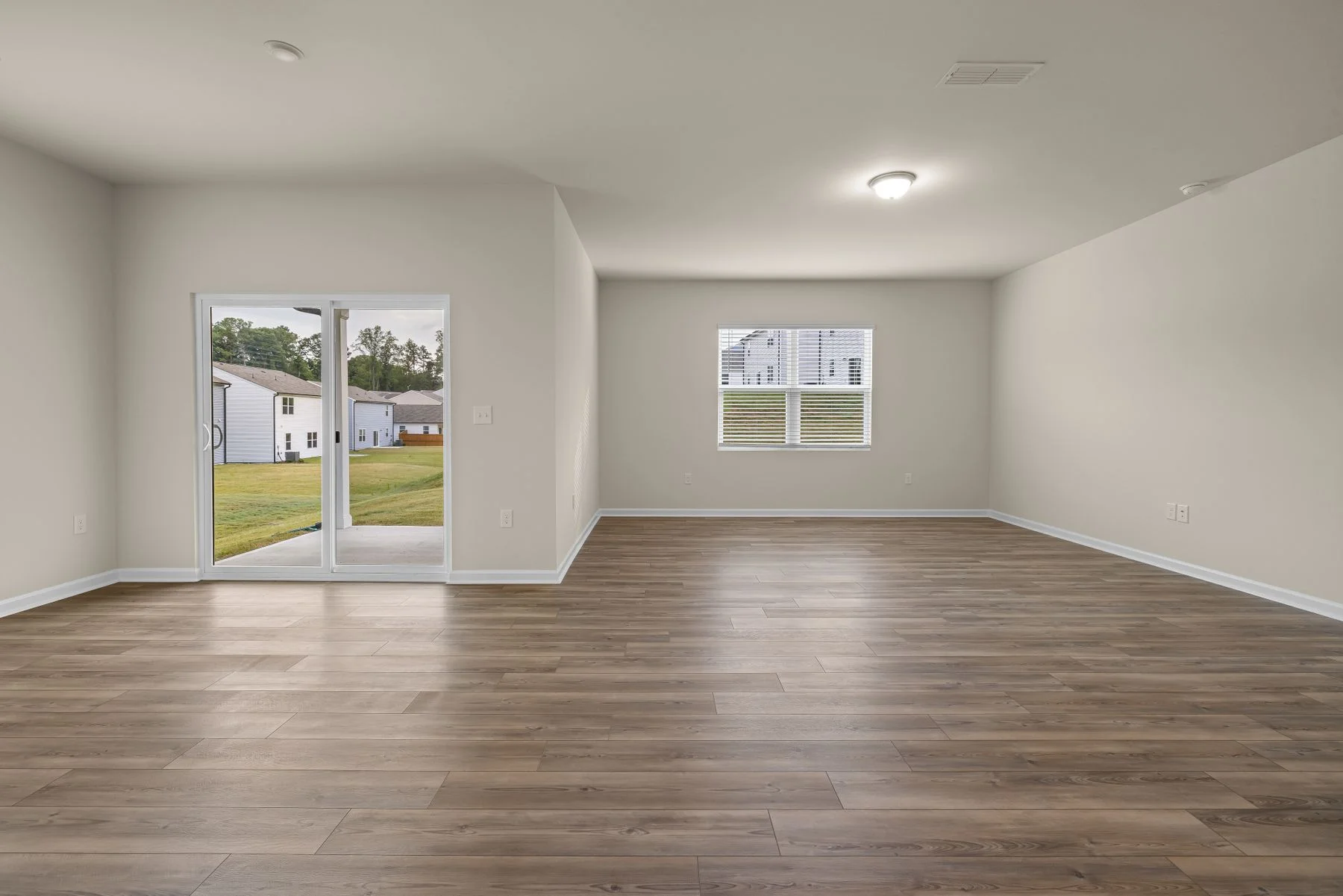
Gold Star Home Improvement works throughout Hollywood as an insured general contractor , kitchens, bathrooms, flooring, impact windows and doors, interior renovation, roofing and exterior repair. Hollywood asks more of a contractor than most Broward cities, because salt air, older construction and design review can all apply to the same address. Call (954) 331-7392.
What We Get Called For in Hollywood
- Kitchen and bathroom renovation in 1920s through 1950s houses
- Impact window and door replacement on properties near the beach and the Intracoastal
- Condo interior renovation with association rules on hours, elevators and underlayment
- Flooring replacement, including over original terrazzo
- Stucco repair, soffit and fascia replacement and exterior coatings
- Roof replacement on tile, shingle and flat sections
Hollywood ZIP codes we cover: 33019, 33020, 33021, 33023, 33024, 33025
Salt Air Is a Material Specification
East Hollywood sits close enough to the ocean that corrosion is a design input, not a maintenance afterthought. Standard fasteners rust, exterior hardware seizes, railings stain the wall beneath them and window tracks pit. We specify stainless where it matters, we seal window and door perimeters as a system, and we look hard at soffit and fascia because wind-driven salt spray finds every gap.
Terrazzo and What Is Under Your Floor
A lot of mid-century Hollywood houses have original terrazzo under carpet or laminate. It is worth knowing before you commit to a new floor, because restored terrazzo is often more attractive, more durable and cheaper than anything you would install over it. We check what is there during the walkthrough. Sometimes the best flooring recommendation is to keep what the house already has.

Historic Districts and Design Review
Hollywood has designated historic districts, and exterior changes within them , windows especially , can require review beyond a standard permit. Impact windows are usually achievable in a historic context, but the profile, the grid pattern and sometimes the frame material are constrained. That review takes time and it belongs in the schedule from the start.
Permits and Approvals in Hollywood
Hollywood issues its own permits and requires inspections for structural, plumbing, electrical, window and roofing work. In the historic districts and in some coastal zones there are additional review steps for exterior alterations. Condo buildings add their own layer: association approval, certificates of insurance naming the association, and specified work hours. We take all of it on rather than handing you a list.
How We Price a Hollywood Project
We walk the space with you, look at what is likely to sit behind the surfaces, and write down exactly what is included and what is not. You get a fixed price against that scope, named allowances for anything you have not chosen yet, and a schedule with real dates. Nothing gets built without a signed change order. Insured, and the debris leaves with us. See everything we do or call (954) 331-7392.
A Little Hollywood Background
Hollywood was founded in the early 1920s by Joseph Young, a California developer who laid out a planned city with wide boulevards, a circular civic centre and a beachfront boardwalk , a scheme largely realised before the 1926 hurricane and the collapse of the Florida land boom nearly ended it. Enough of the original plan survived that the street layout, the lakes and much of the 1920s building stock are still legible today. That is why Hollywood has both genuine architectural history and a housing inventory old enough to need a contractor who knows what is behind the plaster.
Other Cities We Cover
Fort Lauderdale · Plantation · Davie · Weston · Coral Springs · Pembroke Pines · Sunrise · Miramar · Parkland · Cooper City · Southwest Ranches · Tamarac · Margate · Coconut Creek · Deerfield Beach · General Contractor Near Me
A City of Many Housing Types
Hollywood, Florida is a city of contrasts. Established neighborhoods with older single family homes sit not far from beachside condo buildings, busy commercial corridors and quieter residential streets. A remodel that makes sense in one part of town may be completely wrong for another, so the first thing we do is learn what kind of property you actually have. Because the city is so varied, we avoid one size fits all advice. A bungalow style home, a mid century ranch and a condo unit near the water each ask different things of a remodel. Taking time to understand yours is the most reliable way to avoid mismatched plans and wasted effort later in the process.
Older homes often come with charm and quirks: smaller rooms, original layouts, dated wiring or plumbing, and finishes layered by several owners. Newer buildings tend to have more predictable construction, but they come with association rules and shared systems. We approach each differently, and we explain in the estimate how that difference shapes the plan. If you are unsure what sits behind your walls, that is normal. Most homeowners are. We help you think through what is likely, what to check and how to leave room in the plan for discoveries, so a surprise does not turn into a crisis for your schedule or your peace of mind.
Many Hollywood homeowners want to modernize without losing what they like about the place. That might mean opening a closed off kitchen, brightening a dark bathroom or replacing worn flooring while keeping the overall feel of the home. We listen first, then suggest practical ways to get there, being honest about what is simple and what is more involved. Keeping a home's character is often more satisfying than starting from scratch. Original details such as archways, window placement or trim profiles can be retained where practical, while kitchens, baths and mechanical systems are brought up to date. We discuss which elements are worth keeping and which are better replaced.
Beach Proximity, Salt Air and Your Finishes
Being near the Atlantic is a big part of why people love Hollywood, and it is also a factor in how a house wears. Salt in the air reaches metal fixtures, window frames, door hardware and exterior paint. Humidity affects wood, drywall and grout. Planning a remodel without accounting for these forces can leave you with finishes that age poorly. Humidity does not only affect finishes, it affects comfort. Rooms that hold moisture can feel stuffy, and closets can develop musty smells. We look at ventilation as part of a remodel, since a home that breathes properly is more pleasant to live in and gives new materials a better chance of lasting.
We recommend choosing materials known to handle coastal conditions. Corrosion resistant fasteners, sealed surfaces, moisture tolerant cabinets and good ventilation all help. In bathrooms, a working exhaust fan and properly sealed tile make a noticeable difference to how long everything looks fresh. We explain these choices so they feel like sensible protection and not upsells. Cabinet interiors, vanity bases and trim near the floor are especially vulnerable to moisture. Choosing boxes and finishes designed to resist swelling, and sealing exposed edges around sinks, can add years of good appearance. These small construction details are easy to overlook but make a real difference near the coast.
Sand and tracked in moisture are everyday realities near the beach, so flooring deserves careful thought. Some surfaces hide wear and clean easily, while others show every scratch. We describe how each option behaves in a lived in home, helping you pick something you will still be happy with after a season of beach days and heavy foot traffic. Outdoor connection matters here, since many Hollywood residents spend time on patios, balconies and walkways. Flooring that transitions well from inside to outside, doors that seal properly and finishes that tolerate sun and rain all contribute to a home that is comfortable and easy to look after.
Planning a Project Step by Step
Every good remodel begins with a plan, and the plan begins with a conversation. We discuss what you want, how you use the space, and what bothers you about it now. From there we look at the room, take measurements and think through the order of work, because the sequence of trades affects both the quality and the experience of living through it. Your own priorities set the pace for the planning stage. If you want a quick refresh, we can focus on surfaces and fixtures. If you want a deeper transformation, we map out the additional steps involved. Either way, you see the plan in writing before any work begins, so nothing arrives as a surprise.
A typical sequence moves from protection and demolition, to rough plumbing and electrical, to inspections where required, to walls and surfaces, and finally to fixtures and finishing touches. Each stage depends on the one before it. When a step is skipped or rushed, problems appear later, which is why we explain the order to you before starting. Sequencing also protects your finished surfaces. Painting before flooring is installed, or installing countertops before the final plumbing connections, can lead to damage and rework. We organize the order of trades to keep new finishes safe, which saves frustration and keeps the end result looking the way you pictured it.
Your part of the plan is making decisions on time. Selecting tile, cabinets and fixtures early prevents idle gaps while products are ordered. We help by listing the choices in the order they are needed. That way, the project keeps moving and you are not forced into rushed selections you may regret once the room is finished. Material lead times influence the plan, too. Custom or special order items may take noticeably longer than stock products, and the difference can shape which decisions are made first. We point out long lead items early so you can weigh the appeal of a particular finish against the time it may take to arrive.
Permits, Inspections and Condo Approvals
Depending on the scope, a Hollywood remodel may need a permit, and the work may be inspected at set stages. Changes to structure, plumbing, electrical systems, windows and doors are the kinds of work that commonly draw review. We explain in general terms what applies to your plan and how it will fit into the schedule. Local review of a project can vary with the type of work, and the rules are updated from time to time. We avoid assuming that a requirement from one job applies to another. Instead, we review your project specifically and explain what we expect to apply, so you can plan with realistic information.
Inspections matter because certain work has to be seen before it is covered. If the walls are closed too soon, an inspector cannot do the job and material may need to be opened again. By ordering the trades carefully, we try to keep the project moving without backtracking, and we tell you in advance when an inspection could pause progress. If a permit is needed, it is part of the process rather than a roadblock. Documents are prepared, reviewed and approved, and the work proceeds with the understanding that stages will be inspected. Knowing that in advance keeps expectations reasonable and helps you see why certain steps follow a particular order.
For condo owners, there is often a second layer of approval from the association. Rules may govern hours, noise, elevator use and what flooring is allowed over a neighbor's ceiling. Asking for the written guidelines early is wise. We can then align the estimate and plan with those rules so there are fewer surprises once work is ready to start. Beachside and high rise buildings often add another layer, including contractor paperwork, building access rules and limits on when noisy tasks may occur. These factors shape the schedule more than many owners expect, and early conversations with your management office help prevent delays and misunderstandings.
Living at Home During the Work
Most families stay in the house during a remodel, and it helps to set expectations. There will be noise, some dust despite our protection efforts, and workers coming and going. We set up barriers, cover floors and keep the work area as contained as the project allows, but a remodel is never invisible. Dust is the most common complaint, so we take it seriously. Plastic barriers, floor protection and regular cleanup reduce what spreads, though no method eliminates it entirely. Closing vents in the work area and keeping doors shut also help, and we explain which steps make the biggest difference in your home.
Think about practical comfort. If the kitchen is closed, a small setup with a microwave, a kettle and paper plates can carry you through. If a bathroom is out of use, plan around the other one. Work out where pets will stay and how children will be kept away from active areas. Safety in an occupied home takes some thought. Tools, open walls, exposed fasteners and wet surfaces can all be hazards. We mark off work areas and ask that household members respect the boundaries, particularly children and pets, who are naturally curious about the activity going on in their house.
Tell us your routines. If someone works from home, if there is an infant who naps or if anyone has health concerns about dust, we can plan around these things where possible. Small adjustments in the order of work or in how the space is protected can make the weeks of construction considerably more comfortable for everyone. Sleep, work and rest are affected by construction, so it helps to think about where in the house you will retreat. A quiet room away from the work zone, with a door that closes, can make a surprising difference to how you feel while the project is underway and your routines are disrupted.
Storm Season Considerations
Hurricane season shapes life in Hollywood, and thoughtful homeowners plan their remodels with it in mind. If your project involves windows, doors or exterior surfaces, discuss how the season might affect timing and how work areas would be protected if bad weather approached. Do not forget the exterior of your home during a storm plan. Outdoor furniture, potted plants, grills and decorations can become projectiles in high winds. A remodel is a good moment to review what needs to be secured and to think about how your property holds up through a bad weather event.
Many people choose to improve storm readiness as part of a larger renovation. Impact rated windows and doors, a review of exterior finishes and attention to how water drains from the property are all topics worth raising. We can explain the options and how they might combine with interior work, without pressuring you toward any particular choice. Storm related products such as shutters, impact windows and reinforced doors each have different strengths, installation requirements and appearances. We describe how they compare so you can think about protection, light, cost and style together, and choose the combination that matches your priorities and your home.
If a storm is forecast while the project is underway, safety comes first. Loose materials are secured, open areas are protected and work pauses as needed. We prefer to talk through that possibility at the start so nothing about it feels improvised, and so you know what to expect from us if the weather turns. Maintenance matters after the work is done. Even good materials benefit from basic upkeep such as cleaning, resealing where needed and addressing small issues early. We share practical care suggestions for the products installed in your home so the improvement remains attractive and functional over the long run.
How Estimates and Change Orders Work
At Gold Star Home Improvement, the estimate is written and explained to you before any work starts. It spells out the scope, the materials and the major steps. We encourage questions, and we would rather spend an extra few minutes on a confusing line item than have you feel unsure about what you are agreeing to. Estimates are only useful when they are understood. We take the time to go through what is included, what is not and which items depend on conditions we cannot fully see yet. That honesty up front helps you plan your finances and decisions with fewer unpleasant surprises as the project moves along.
Remodeling often brings changes. Maybe you fall in love with a different backsplash, or we find an issue behind a wall that needs attention. A change order is a written record of the adjustment, describing what is being added or removed. You review it and approve it before the changed work goes ahead. Change orders are not a sign that something went wrong. They are simply the tool that keeps everyone aligned when plans evolve. A homeowner may add an outlet, alter a tile layout or choose a different faucet, and each such change is recorded so that the final result matches what was agreed.
This process protects you and keeps the project honest. It prevents the fuzzy memory problems that can arise when verbal agreements pile up. Writing things down is not about formality for its own sake. It lets both sides refer back to what was decided, and it keeps the final result aligned with what you actually wanted. Records also help later on. If you sell the home, refinance or simply want to remember what was installed, written documents of the scope and selections give you reliable answers. We encourage you to keep your estimate, change orders and product details together in one place after the project ends.
Choosing a Contractor You Can Talk To
Skill matters, but so does communication. A contractor you can talk to openly will catch misunderstandings early, explain tradeoffs honestly and tell you when something is a bad idea. When you meet a prospective contractor, notice whether they listen, whether they answer plainly and whether they put things in writing. Consider asking how problems are handled when they arise. Every project has small moments that need attention, and what matters is how they are addressed. A contractor who explains the issue, offers options and waits for your decision shows respect for you and for the home you are entrusting to them.
Useful questions include how the estimate is presented, how permits and inspections are handled, how changes are documented and who you will deal with during the work. Ask how the site will be protected and kept tidy. Ask what you will be responsible for. Clear answers are a good sign. It is also reasonable to ask how the crew will treat your space, including daily cleanup, use of your bathroom and where tools and materials will be stored. Setting these expectations early prevents small irritations from building into larger frustrations as the weeks of work go by.
If you are weighing a Hollywood project, we would be glad to talk it through. Call us to describe what you have in mind, whether it is a single bathroom, a full kitchen or a larger set of improvements. We will explain how we would approach it and what the next steps look like before anything is decided. There is no obligation in having a conversation with us. Tell us about your Hollywood home, whether it is an older house, a condo or something in between, and we will explain how we would approach the work, what you can do ahead of time and how the written estimate comes together.
More questions homeowners ask
Is it harder to remodel an older Hollywood home?
It can involve more unknowns, since older homes may have outdated wiring, plumbing or past repairs hidden behind the walls. That does not make the project a bad idea. We explain the possibilities during the estimate and use written change orders if something unexpected needs attention, so you approve any added work first.
Can I stay in my house during a remodel?
Most homeowners do. We protect floors, set up barriers and keep the work area contained, but you should expect noise and some disruption. Planning a temporary kitchen or bathroom setup beforehand helps a great deal, and we are happy to talk through how to arrange your household around the work.
Do condo buildings in Hollywood have special remodeling rules?
Many do. Associations commonly set approved work hours, require paperwork and limit how materials move through shared areas or what flooring is allowed. Ask your management office for the written renovation guidelines early, and share them with us so the plan and written estimate account for those requirements. We are glad to walk you through how it works.