Gold Star Home Improvement is an insured general contractor serving Margate. Kitchens, bathrooms, flooring, impact windows and doors, interior renovation, roofing and exterior repair. Much of the housing here is original construction, so the walkthrough matters , we look at the panel and the plumbing before we price the finishes. Call (954) 331-7392.
What We Get Called For in Margate
- Kitchen remodels in original 1960s and 1970s homes
- Bathroom gut renovations, including full waterproofing rebuilds
- Electrical panel upgrades alongside kitchen and bathroom work
- Flooring replacement over slab with levelling where needed
- Impact window and door replacement
- Roof replacement and soffit and fascia repair
Margate ZIP codes we cover: 33063, 33068, 33093
Original Electrical Is the Usual Constraint
Margate has a lot of houses that have never had a serious electrical update. Panels with no spare capacity, no GFCI protection in wet areas, and in the oldest examples wiring practices that are simply no longer acceptable. This is not a reason to panic and it is not a reason to be upsold. It is a reason to have the panel opened and looked at during the estimate, so a kitchen budget includes the service work it actually needs.
Duplexes and Rental Properties
A meaningful share of Margate housing is duplex or small multi-unit, often owner-held as rental. Renovating a tenanted or between-tenant unit is a different exercise to renovating an owner-occupied house: the schedule matters more than the finish selection, and durability matters more than fashion. We are comfortable working to that brief and will recommend materials that survive turnover rather than materials that photograph well.

Value Where It Is Actually Returned
On a modest house, not every upgrade pays. A properly built bathroom, a functional kitchen with adequate electrical, a sound roof and impact glazing are the items that hold value and affect insurability. Elaborate finishes on top of unaddressed systems are money spent in the wrong order. We will say so, even when the more expensive version would suit us better.
Permits and Approvals in Margate
Margate issues permits with inspections for structural, plumbing, electrical, window and roofing work. Panel and service upgrades involve the utility as well as the city, and that coordination affects the schedule. We handle the permit, the inspections and the utility scheduling, and we close the permit out at the end so it is documented for any future sale.
How We Price a Margate Project
We walk the space with you, look at what is likely to sit behind the surfaces, and write down exactly what is included and what is not. You get a fixed price against that scope, named allowances for anything you have not chosen yet, and a schedule with real dates. Nothing gets built without a signed change order. Insured, and the debris leaves with us. See everything we do or call (954) 331-7392.
A Little Margate Background
Margate was developed from the mid-1950s by Jack Marqusee, who bought a large tract of drained farmland west of Pompano Beach; the name is a blend of his own surname and the neighbouring city. It incorporated in 1961 and filled in quickly with affordable single-family homes and duplexes aimed at working families and retirees. That founding purpose is still visible in the housing: solid concrete block construction, sensible layouts, and an original building stock now old enough that its systems, rather than its structure, are what need attention.
Other Cities We Cover
Fort Lauderdale · Plantation · Davie · Weston · Coral Springs · Pembroke Pines · Hollywood · Sunrise · Miramar · Parkland · Cooper City · Southwest Ranches · Tamarac · Coconut Creek · Deerfield Beach · General Contractor Near Me
Remodeling in an Established Inland Community
Margate sits in the northern part of Broward County, away from the immediate shoreline, and much of it is made up of settled residential neighborhoods. Many homes here were built a good while ago, and their owners are now at the stage where kitchens, bathrooms and floors are ready for a thoughtful refresh. That shapes the way we plan projects in the city. Many homeowners in this part of the county have lived in their houses for years and know them well. That familiarity is a strength, because you can tell us exactly what works and what does not. We build on your knowledge of the home, combining it with our view of what is possible in the structure.
Established neighborhoods often feature practical, modest layouts. Rooms can be on the smaller side, and walls sometimes divide spaces that today's households would prefer to be more open. We talk with you about how you actually live in the house and then explore options that improve flow without turning the project into something larger than you need. If the house has had additions or conversions, such as an enclosed garage or a patio turned into a room, those areas can behave differently from the original structure. Floors may sit at different heights and wiring may have been extended. We pay special attention to these transitions when planning and estimating.
Because Margate is not directly on the ocean, coastal exposure is less intense than in beachfront cities, but Florida humidity and heat are still a daily factor. We keep that in mind with material choices, ventilation and finishing details, so that what we install keeps looking right in a climate that is hard on homes. Remember that a remodel can also be done in phases. Some owners tackle one room now and another later, spreading out the effort and the disruption. We can discuss how to stage a larger vision so that early work fits with later steps, instead of being redone when you move on.
What Older Construction Can Hide
Working on an older home is a bit like reading a book with some pages missing. Past owners may have made repairs or additions that were never fully documented, and the original systems may not match what a modern remodel expects. We approach each house with curiosity and without assuming everything behind the walls is straightforward. Where there are older pipes, we talk about whether it makes sense to address them while walls are open. Replacing a fixture is simple, but access to supply and drain lines is easiest during a remodel. We explain the tradeoffs so you can decide whether to deal with them now or later.
Common surprises include outdated wiring, aging supply and drain lines, uneven subfloors and signs of old moisture. None of these is unusual, and discovering them is not a reason for alarm. What matters is how they are handled. We explain what we find, describe options and put any added work in a written change order for your approval. Electrical capacity is another thing to consider. Modern kitchens and bathrooms use more power than older homes were designed to supply, with appliances, lighting and devices all drawing current. Depending on the plan, upgrades may be needed, and we explain when that is likely and what the process involves.
To reduce surprises, we encourage a careful walkthrough before the estimate is finalized. Tell us about past leaks, patches or electrical quirks you have noticed. Details like a lingering damp smell or a sticky door often point to underlying issues, and sharing them helps us build a more realistic plan from the beginning. Do not overlook the small details, such as outlet placement, lighting layers and switch locations. They shape everyday comfort more than most people realize. Thinking through how you move through the room, where you set things down and when you need light helps us design a space that feels natural to use.
Kitchens and Bathrooms in Margate Homes
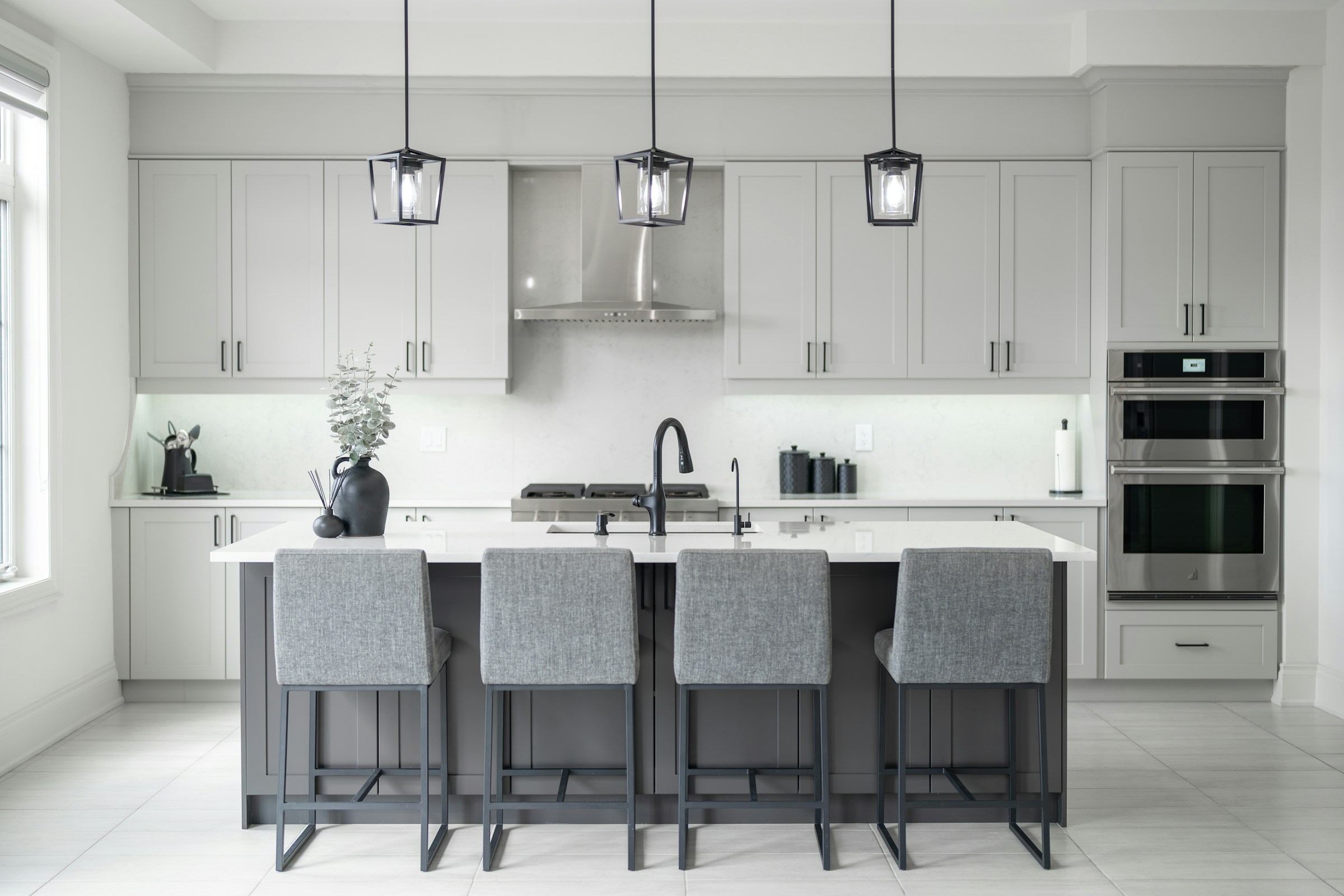
Kitchens and bathrooms are among the most requested projects, and in older Margate homes they often benefit from a rethink of layout as well as finishes. Better storage, improved lighting and more counter space can make a small room function far better, even without moving a single wall. Think about how the room will be used for the next decade, not just the next year. Aging in place, growing families and changing habits all influence smart choices, such as easier to reach storage, slip resistant surfaces and layouts that leave space to move comfortably, with or without a mobility aid.
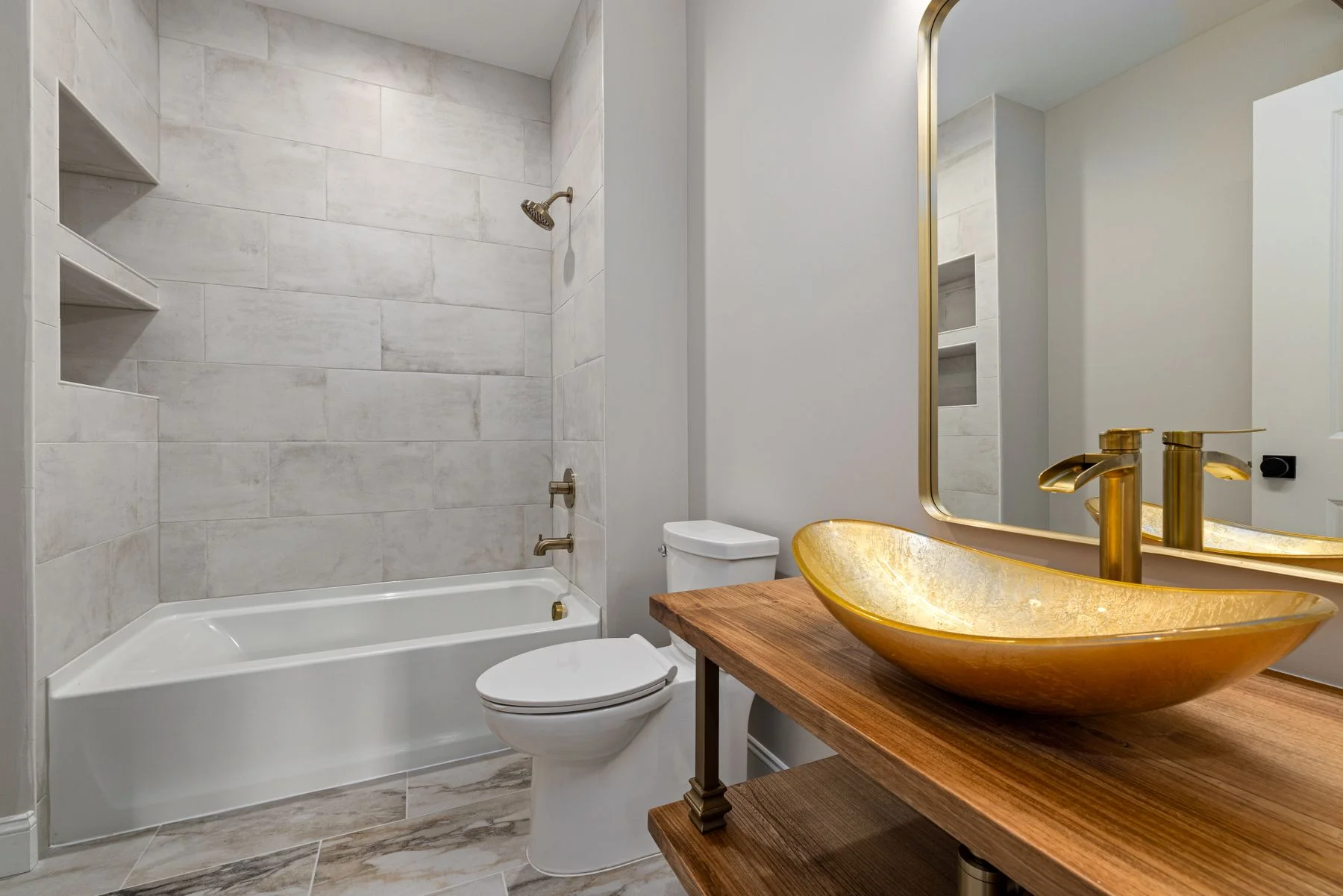
Bathrooms bring their own considerations. Moisture control is essential, so waterproofing behind tile, proper slope in showers and good ventilation matter as much as the visible surfaces. We explain these hidden steps because they determine how well the room performs years from now, and they are rarely visible in a finished photo. Storage is another hidden driver of satisfaction. Many older homes simply lack enough, and pulling out better cabinetry, pantry space or closet organization can transform how a room feels. We talk through what you store and how you reach it, so the result is truly practical and not merely attractive.
If you are considering a bigger change, such as relocating a sink or opening a wall between rooms, we discuss what that involves. Moving plumbing and altering walls often calls for permits and inspections, and it can affect the sequence of work. We lay out these tradeoffs in plain terms so you can decide how far you want to go. The wet areas of a home deserve extra care because water damage is expensive and disruptive. Waterproofing membranes, correct slope, quality sealants and attention to penetrations are all part of a durable installation. We explain why these hidden steps matter, and we do not skip them to save time.
Flooring Choices for Everyday Life
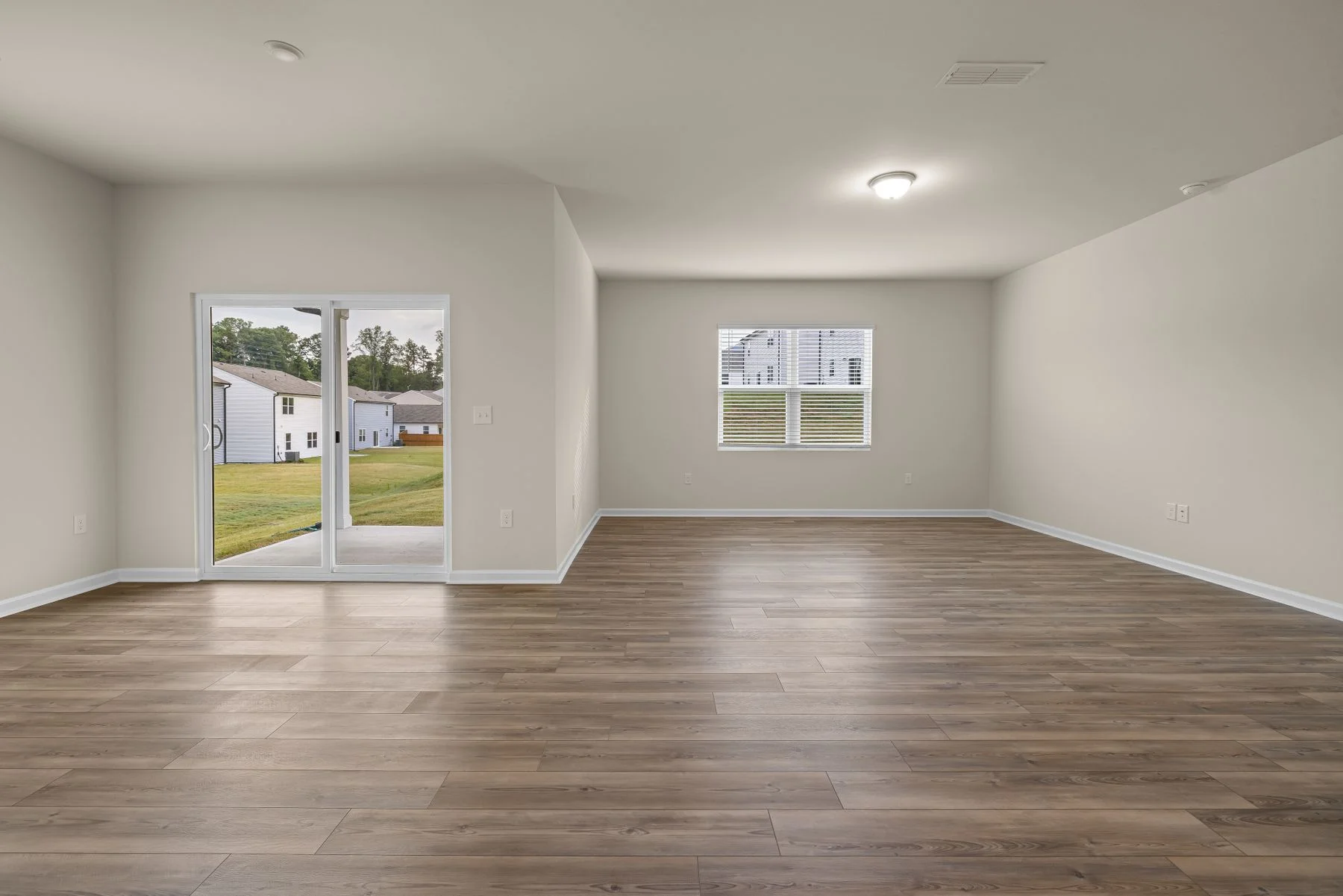
Flooring is one of the most visible decisions in a remodel, and in a warm, humid place like South Florida it deserves careful thought. Tile is a longtime favorite because it handles heat and moisture well. Newer plank products imitate wood while offering better resistance to moisture. Each has strengths and drawbacks. Surface choices should reflect cleaning habits. Large tiles with few grout lines are easier to wipe, while heavily textured surfaces are trickier. Dark finishes may show dust and water spots, and light ones may show stains. We bring samples and talk honestly about the maintenance each option brings along with it.
Think about how your household uses the space. Pets, children, frequent guests and indoor outdoor traffic all affect what works best. A surface that looks beautiful in a sample can be disappointing if it scratches easily or feels cold and hard underfoot. We describe how each material behaves day to day so you can choose with confidence. Underlayment, adhesives and transitions are the quiet components of a good floor. They are rarely discussed, yet they influence comfort, sound and longevity. If a floor meets another surface at a different height, we discuss how to handle the transition so it looks neat and avoids creating a tripping hazard.
Preparation matters as much as the product. An uneven subfloor can cause problems no matter how good the flooring is, and moisture in a slab can damage some materials. We check the base before installation and tell you if it needs attention first, since a good result depends on what lies beneath the surface. Even if you are not under an association, check whether your city has any rules about your type of work. Some jurisdictions have requirements about debris, hours or the use of dumpsters. We keep these in mind and ask you to mention anything you have heard from neighbors or local offices.
Neighborhood Associations and Local Courtesy
Some Margate residents live in communities with associations, including condo and townhome developments, while others own freestanding houses with no such oversight. If you are under an association, check its rules before planning exterior changes, window and door replacements or anything that affects shared walls and building systems. A friendly note to neighbors can go a long way. Let them know roughly when work will be happening and whom to contact if something seems off. Good communication prevents small irritations from turning into complaints and helps preserve the goodwill that makes living in a close community more pleasant.
Associations may require applications, set work hours and ask for details about materials and appearance. Collecting these requirements early lets us align the plan with them, and it prevents the frustration of finishing a design only to learn it is not allowed. We are glad to help describe the scope for your submission. Many people wonder whether a permit is truly needed for the work they have in mind. The answer depends on the scope and local rules, and guessing can lead to trouble when you sell. We encourage asking first and let you know what we expect to apply to your project.
Even without an association, being a good neighbor matters. We discuss where materials will be delivered, where workers will park and how noise will be managed. A project that is considerate of the street tends to go more smoothly, and your neighbors will appreciate being treated with respect while your home is being improved. Inspections can be scheduled around the progress of the work, and sometimes they pause progress briefly while waiting for an inspector to arrive. We cannot control that calendar, but we can plan the sequence so other productive work continues where possible, and we tell you when a short wait is likely.
Permits, Inspections and the Order of Work
Depending on what you are doing, your Margate project may need permits and inspections. Structural changes, plumbing and electrical work, and window or door replacement are common triggers. Painting and many simple surface updates generally are not. We go through your plan with you and explain which parts are likely to be reviewed. If you are not sure what you want, do not worry. Bring photos, magazine pages or ideas from places you have visited. Showing us what you like helps translate vague preferences into concrete choices, and our questions can help narrow things down until a clear direction appears for your room.
Inspections are scheduled at points where work needs to be seen before it is concealed. This is why the order of trades matters. Rough plumbing and electrical go in first, then inspection, then walls and surfaces. Following that order protects the quality of the job and avoids tearing out finished work to fix something hidden. Protect important items before work starts. Photographs, artwork, electronics and small keepsakes are best moved out of the area or stored safely elsewhere. Dust finds its way into unexpected places, and having fewer items in the path of the work reduces the chance of damage or loss.
We try to explain these steps before they happen. When you know an inspection is coming, you understand why the schedule may pause for a moment. This transparency is one of the simplest ways to make a project feel less stressful, because very little about the process turns out to be a mystery. Think about water shutoffs, too. Some work requires turning off water or power for periods, and your household may need to plan around them. We tell you in advance when a service interruption is expected so you can fill containers, adjust routines or arrange to be elsewhere briefly.
Preparing Your Home and Your Household
Preparation reduces stress. Before work begins, clear the area and remove fragile or valuable items. Decide where you will cook, bathe and relax while a room is out of service. Think about pets and children, and tell us about any concerns related to dust, noise or access. Do not hesitate to raise concerns the moment they occur. If a color looks different in the room than it did on the sample, or a layout feels off once marked on the floor, speak up. Adjustments made before installation are easy, while changes afterward are more involved for everyone.
Choosing materials early also helps. Cabinets, tile and fixtures take time to select and arrive, and delays often come from late decisions rather than from construction. We provide a list of selections you will need to make and the order in which they are needed, so the project is never waiting on a choice. We aim to make estimates something you can read and understand without a technical background. Where terms are unavoidable, we explain them. If you are comparing our estimate to another, we are happy to point out how scopes and inclusions may differ, since two numbers rarely describe the same work.
Finally, stay in touch. Questions are welcome at any stage. If something looks different from what you expected, say so right away, because it is far easier to adjust early than after a finish has been installed. Open conversation is the best protection against disappointment and the best path to a result you enjoy. That comparison is important, because a lower figure may leave out items that the other includes. Look at materials, preparation, protection, cleanup and how changes are handled. A fair comparison is made on scope, not just on bottom line, and we are glad to help you make sense of it.
Estimates, Changes and Choosing Who to Hire
Our estimates are written and explained before work begins. You see the scope, the materials and the key steps, and you can ask about anything unclear. If you decide to change something later, we document it in a written change order, so there is a clear record of what was agreed. After the work is complete, keep the product information, care instructions and any records handed to you. They answer questions about cleaning, repairs or matching materials later. We also explain how to look after the new work so you get the most from the improvements you chose.
When you compare contractors, look beyond the headline. Ask how the estimate is explained, who will be on site, how the work area will be protected and what happens if something unexpected is found. Clear and specific answers tend to signal a well organized operation. Trust is built in small things: returning calls, showing up as discussed, explaining problems and respecting your home. These behaviors matter more than any slogan. When you interview a contractor, pay attention to how they handle your first few questions, because that is often a preview of the whole project.
If you live in Margate and are thinking about a project, call Gold Star Home Improvement. Tell us about your home and what you would like to change, and we will talk through how we would approach it. There is no pressure to decide on the first call, just an honest conversation about your options. Take your time making the decision, and make sure your questions are answered to your satisfaction. A home project should be exciting, not stressful. If you think we might be the right fit, a short conversation is the best next step, and we will take it from there at whatever pace suits you.
More questions homeowners ask
Is remodeling different in an inland city like Margate?
Coastal salt exposure is generally lower than in beachfront cities, but heat and humidity still affect finishes, so material choices and ventilation still matter. The bigger factor is often the age of the home. Older construction can hide surprises, which is why we explain our findings and document any added work in writing.
What if you find a problem behind the wall?
We stop and explain what we found, then describe the options. Any added work is written up as a change order that you review and approve before it proceeds. That way you stay informed and in control, and there are no unexpected additions without your agreement. Being specific helps us give a clearer answer.
Do I need approval from my association before remodeling?
If you belong to a condo or homeowner association, check its rules first. Exterior changes, window and door replacements and work affecting shared walls commonly need approval, and some associations restrict work hours. Gather the written requirements and share them with us so the plan can follow them. It also helps to ask early.