Two very different ways of making a floor
Tile is a hard, fired material, usually ceramic or porcelain, set into mortar over a prepared base and finished with grout between the pieces. It becomes part of the structure of the floor. Once it is set and cured, it is solid, rigid and permanent in a way that most other floor coverings are not. That rigidity is both its strength and the source of most of its limits.
Luxury vinyl plank is a manufactured, multi layer product made to look like wood or stone. Planks are cut to length and joined along their edges, and most are installed as a floating floor that rests on the base without being bonded to it. Some are glued down. The layers include a wear surface on top and a backing below, and the plank has some give underfoot that tile does not.
Understanding this basic difference makes the rest of the comparison easier. Tile asks a lot of the base beneath it and rewards that effort with a very durable surface. Vinyl plank is more tolerant of small imperfections in the base, though it still needs a sound, clean and reasonably flat surface. Neither is automatically right for every room, and many homes use each in different places.
Comfort underfoot and sound
Tile feels hard and cool. In a hot climate, that coolness is a real pleasure on bare feet, and it is one reason tile became a standard in this region. The downside is that a dropped glass is likely to break, and standing for a long time in a kitchen on a rigid floor can be tiring. Area rugs and anti fatigue mats help, but they are an addition rather than a feature of the floor.
Luxury vinyl plank has a slightly softer feel, and it tends to be warmer to the touch than tile. Many people find it more comfortable for long periods of standing, and a dropped item has a better chance of surviving. Sound is a separate question. Hard surfaces can echo, and floating floors can sound hollow in some conditions. An underlayment, where suited to the product, can help with sound transfer, which matters in condos and townhomes with neighbors below. For that topic, our page on noisy floors and rooms goes into more detail.
The honest way to compare comfort is to stand on samples. Take large pieces of each product, set them on the floor at home and walk on them barefoot and in socks. Notice how they feel at different times of day and in the heat of the afternoon. A sample on a showroom shelf tells you little about how a floor feels in your kitchen in August.
Water resistance and humidity
Both materials are chosen in part for how they handle moisture, but they do it in different ways. Tile itself is highly water resistant, and the grout lines and the layers beneath it are what need care. Grout can stain and may need sealing, and in wet areas the waterproofing under and around the tile determines whether water ends up where it should not. Our guide on bathroom waterproofing explained describes those layers.
Luxury vinyl plank is also marketed as water resistant, and the planks themselves usually do not swell the way wood does. The weak points are the seams and the edges. If water gets between planks and under the floor, it can be trapped, and that trapped moisture may cause problems with the base or with odors. Products and installation methods differ, so ask the supplier precisely what the water claims mean for the product you are considering and for the installation method planned.
In a humid region, both floors benefit from good control of moisture in the base. Slabs breathe moisture, and a floor laid over a damp slab without proper preparation can fail. Our guide to humidity and your renovation explains the issue. If you are dealing with a floor that has already had water trouble, such as a soft spot or a lifted edge near a shower, describe what you see to a professional before choosing a new surface, because the new floor will only be as sound as what lies beneath it.
Another point is how each floor handles cleaning after a flood or a leak, which can happen in any home during storm season. Tile can usually be dried and cleaned, though the base underneath may need inspection. A floating vinyl floor may need to be lifted to dry the base properly. Neither answer is good or bad, but it is worth knowing before you buy. If a past storm or leak is part of your story, our page on storm damage repair planning explains how to organize the conversation.
- Tile resists water well, but grout lines and the layers beneath it need attention.
- Vinyl plank resists swelling, but water that gets under the planks can be trapped.
- Both floors depend on a dry, sound base, especially over a concrete slab.
- Ask the supplier what water resistance means for the specific product and installation method.
Installation: base preparation and what goes under the floor
Tile installation is a craft that begins long before the first piece is set. The base must be sturdy, clean and flat enough for the size of tile chosen, since large pieces show every dip. Installers check the surface, repair or level it, sometimes add a membrane and then set the tile in mortar, followed by grout. It is a multi step process with curing time built in, which is why tile projects take careful scheduling. Our service page on tile flooring installation describes this sequence.
Luxury vinyl plank installation is typically less demanding on the base, but it is not casual. Planks telegraph bumps and ridges beneath them, so the base still needs to be flat, clean and dry. Many floating systems need expansion room at the edges, which is covered by trim. Planning for that is part of a clean result. The page on luxury vinyl plank installation explains how the work is organized.
Either way, base preparation is where floors succeed or fail. If the slab has cracks, the subfloor is uneven or the old flooring left adhesive behind, those conditions must be dealt with before anything new goes down. Our guide on flooring and subfloor preparation walks through the logic, and the same thinking applies whether the base is a concrete slab or a framed floor.
Ask your contractor specifically how the existing floor will be removed, because removal is often the dirtiest and noisiest part of the job. Old tile is chipped out or ground off, old adhesive is scraped and the base is cleaned. Dust control, protection of nearby rooms and daily cleanup should be described in the scope. A floor installed over poor preparation will not look good no matter how beautiful the product is, so give this stage the attention it deserves.
Appearance, pattern and design flexibility
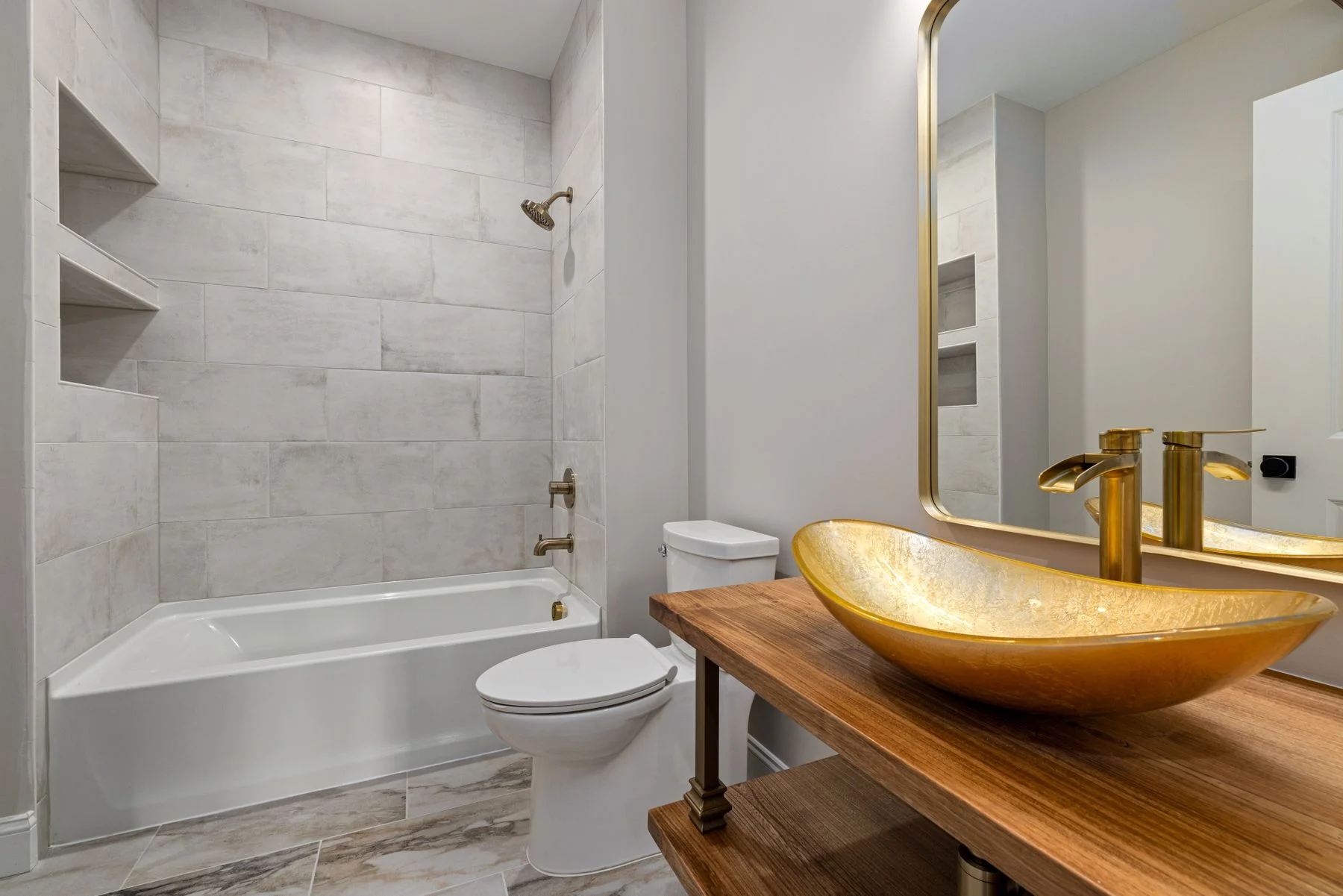
Tile offers an enormous range of sizes, finishes and patterns, from small mosaics to large format pieces that reduce grout lines. It can look like stone, concrete, wood or something entirely its own. The grout color and joint width change the whole feel, and the way pieces are laid, straight, offset or diagonal, adds another layer of design choice. A tile floor can be quiet and uniform or decorative and bold.
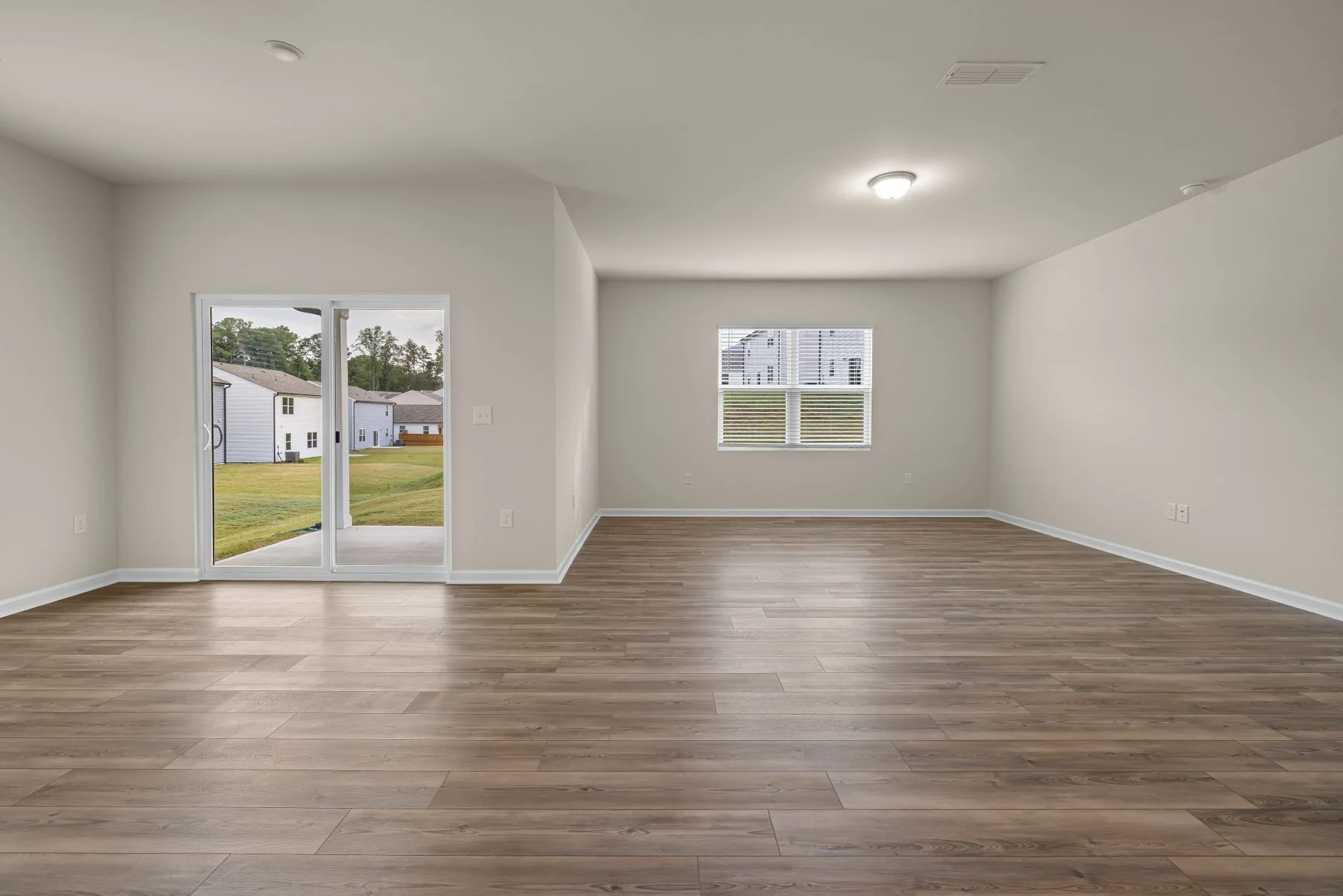
Luxury vinyl plank is widely known for convincingly imitating wood, with surface texture and variation in the pattern that reads as natural at normal viewing distance. There are also stone looks and other designs. Because planks are long and narrow, the floor tends to create a linear feel that draws the eye through a room. A wide continuous floor is easy to achieve, which is why vinyl is often used through open plan living areas.
Think about how the floor will connect to the surroundings. Cabinets, walls, trim and the adjoining rooms all affect the impression. If your home has a mix of flooring types, think about creating continuity by repeating a color or tone from room to room, and note that the guide on choosing tile for Florida homes covers slip resistance and finish choices.
Durability, wear and repair
Tile is extremely hard wearing. It resists scratches, dents and most household abuse, and a well installed floor can last a long time. Its weak points are impact and movement. A heavy object dropped on a tile may chip or crack it, and if the base moves, the tile can crack along the stress line. Replacing a single tile is possible, but matching the pattern and the grout color can be challenging, especially years later.
Luxury vinyl plank resists impact better but can scratch, dent under heavy furniture or fade in strong sun, depending on the product. Planks with a damaged section can often be replaced individually in a floating installation, which makes repair relatively simple if spare planks were kept. Glued down floors are harder to repair. Keeping extra material from the original order is a smart habit with either floor.
Think about wear patterns. Pets, rolling chairs, dragging furniture and high traffic at doorways all matter. Felt pads under furniture help any floor. For problems at the junction between rooms, see our page on uneven or damaged floor transitions, because tile and vinyl have different thicknesses and the meeting point needs planning.
Which rooms suit which floor
Kitchens, bathrooms and entries are the places where the question is most pressing. Tile has a long record in wet areas, particularly showers and bathroom floors, where properly built waterproofing layers are essential. Vinyl plank may be used in bathrooms and kitchens too, though the installation method, the seams and the transitions to wet zones need careful thought. Always ask how water is meant to be managed, not just which product is used.
Living areas, bedrooms and hallways are often where vinyl plank shines, since it is warm, quiet and available in wood looks that suit a relaxed style. Tile is also common in these spaces in South Florida, mostly for its coolness and its durability against humidity. Many homeowners choose tile for wet and high traffic areas and vinyl or wood looks for bedrooms and offices.
Consider the long view as well. A home changes as the household does. A family with toddlers may want a forgiving surface now and a different look later, while someone planning to age in place may prioritize a flat, slip resistant, easy to roll across floor. Mention these plans at the walkthrough, because they influence the choice of product, the transitions between rooms and the surface finish. Planning for ease of movement early is far simpler than reworking floors later, and a thoughtful contractor will ask about it before you have to raise it yourself.
Condo and townhome owners have an extra step. Associations often set rules about flooring, especially in upper floor units where sound travels, and some require a particular underlayment or approval before work starts. Those rules differ from one community to the next, so ask your association early and share the answer with your contractor so the written scope reflects it.
If you are comparing to other surfaces, our page on carpet versus hard surface flooring covers the wider choice, and when you shop for vinyl, ask about the layers, the locking system and the care instructions. The comparison of hardwood versus engineered wood may help if a real wood floor is also on the table.
Planning, ordering and lead times
Both products must be ordered, delivered and often acclimated before installation, and the details differ. Tile arrives in boxes that should come from the same production lot so color stays consistent, and extra pieces should be ordered for cuts and future repairs. Vinyl plank also varies by lot and should be ordered in one go. How long this takes is a question for your supplier, not a number to assume.
Sequence matters as well. Flooring is not the first thing installed in a renovation, and it is not the last. Painting, cabinets and trim all interact with the floor, and the order depends on the plan. Our page on lead times and ordering helps you ask the right questions, and your written scope should show where flooring falls relative to painting, cabinets and trim.
If you are redoing several rooms, discuss phasing as well. It may be easier to lay one continuous floor through a connected area than to stop at doorways. The flooring selections checklist provides a practical list of decisions to make before ordering, including trim, transitions and care instructions.
How to decide, and what to ask a contractor
Begin with a short list. Which rooms are being changed? How wet do they get? How much do you stand there? What look do you want? Write those answers down, then order samples and live with them for a few days. Compare how they feel, how they clean and how they look in morning and evening light. This simple step saves many homeowners from regret.
At the walkthrough, ask the contractor to put the base preparation, the product, the installation method, the trim and transitions, the removal of old flooring and the cleanup in the written scope. Every project begins with that scope, and a fixed price is set against it. If removal of the old floor reveals damage, the work pauses and a written change order with a price comes to you before it continues.
Finally, ask about care. Tile and vinyl each have cleaning advice, and following it protects the floor for years. At the end of the job the punch list is walked together before final payment, so look at the floor in good light, check the edges and transitions and ask any remaining questions. If you can describe the day to day use of each room, the right floor usually becomes clear.
Common questions
Is luxury vinyl plank really waterproof?
The planks usually resist swelling, but water can still get into seams and edges and become trapped under a floating floor. Ask the supplier what water resistance means for the specific product and installation method, and ask your contractor how wet areas, edges and transitions will be handled in the written scope.
Is tile too cold or hard for everyday living?
Many people in this climate like the coolness of tile. It is hard, though, so dropped items may break and long periods of standing can feel tiring. Rugs and mats help. Try samples barefoot at home before deciding, and consider tile in some rooms and a softer feeling floor in others.
Which floor is easier to repair?
A floating vinyl plank floor can often be repaired by replacing individual planks, if spare material was kept. Tile can be replaced piece by piece too, but matching the color and grout can be harder. With either floor, keep extra material from the original order for future repairs.
Do both floors need a perfectly flat base?
Both need a sound, clean, dry and reasonably flat base, and tile is especially sensitive, particularly in large formats. A contractor will check the surface and recommend repair or leveling where needed. Skipping this step is a common reason floors look uneven or fail early.
Can vinyl plank go over existing tile?
Sometimes, depending on the condition and flatness of the tile and grout lines, and on the product. Raised joints can telegraph through. The decision belongs in the walkthrough, where the contractor can look at the actual floor and explain in writing whether the tile stays or comes out.
How should I choose between them for a kitchen?
Think about standing comfort, spill handling, durability and the look you want with the cabinets. Tile suits heavy use and wet cleaning, while vinyl is warmer and softer underfoot. Samples at home, plus a clear conversation about base preparation and transitions, will point you to the right answer.