Why humidity belongs in the planning stage
Most renovation advice assumes a house that dries out part of the year. In South Florida the air carries moisture almost all the time, and the house is often sealed and air conditioned, which creates its own swings. Materials that behave well in a showroom can move, swell, stain or soften once they live in a damp home.
That does not mean anything is off limits. It means the choice of material, the order of work and the way a house is ventilated and cooled all become part of the design. A kitchen, a floor or a freshly painted room is the sum of the product and the conditions around it.
Think of humidity as a client that never leaves the site. It affects the day the cabinets are delivered, the week the drywall is finished, the afternoon paint goes on and the season the floor is installed. If you ask about it early, most of the surprises can be avoided.
Cabinets, wood and what swelling really looks like
Wood and wood based boards take on moisture from the air and give it back, which makes them swell and shrink slightly. In a damp home that cycle shows up as doors that stick or no longer line up, drawer fronts that rub, gaps that open at joints and edges that lift or bubble. Boards with exposed raw edges, such as the bottom of a cabinet box near the dishwasher or sink, take on water first.
Construction quality matters as much as the species or panel type. Sealed edges, protected cut surfaces, solid backs and good hardware all slow the process. Placement matters too. A cabinet next to a dishwasher vent, a coffee station with a steaming kettle or an under sink base with a slow drip will age sooner than one across the room.
When you shop, ask how the cabinet maker seals and finishes the interior and edges, what the box is made of, and how the finish handles humid conditions. Our guide to choosing kitchen cabinets covers construction in more detail, and the kitchen cabinet replacement page explains how an install is scoped.
Delivery and storage count as well. Cabinets stored in a hot garage or a closed, un cooled room can absorb moisture before they ever reach the wall. Agree on where they will wait, and ask that the house be air conditioned and dry before they are installed.
Flooring: acclimation, gaps and moisture from below
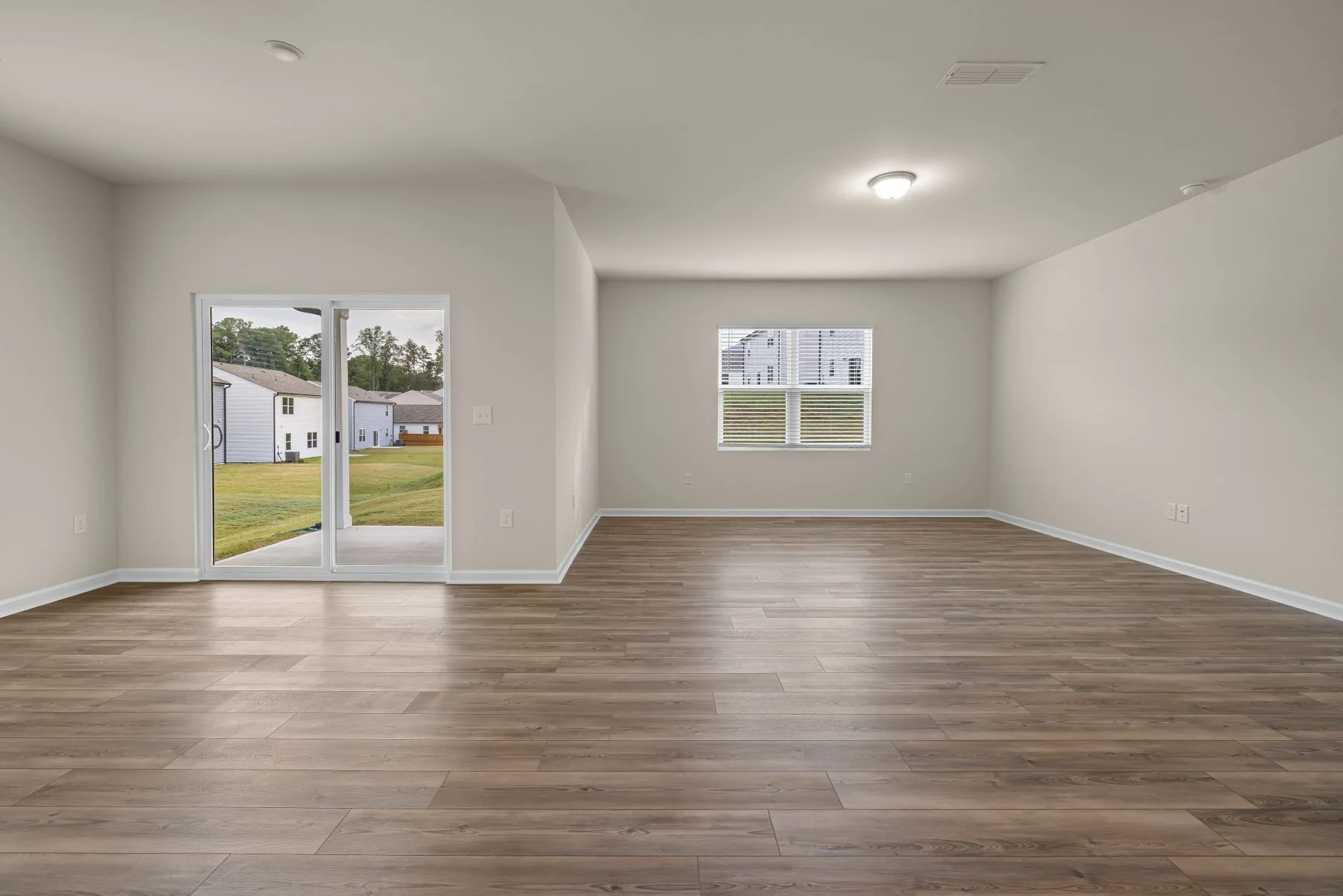
Floors meet moisture from two directions, the air above and the slab or subfloor below. Wood floors move with changes in humidity, so installers allow the planks to adjust to the home before laying them, and they leave expansion space at the edges. Skipping either step can lead to buckling, cupping or gaps that open and close with the seasons.
Concrete slabs on the ground can release moisture vapor for a long time, even when they look dry. Many floor products, adhesives and underlayments have limits on how much moisture they tolerate, so a proper plan includes checking the slab and choosing a product and a moisture control method that suits it. Our guide on flooring subfloor preparation explains why that stage matters so much.
Different materials respond differently. Tile and stone are dimensionally stable, though grout and the setting bed need to be done correctly. Vinyl plank is water resistant, but moisture trapped beneath it can still cause trouble. Hardwood and engineered wood each have their own tolerance. Compare them in our hardwood versus engineered wood guide and the vinyl plank buying guide.
- Allow wood products to adjust to the home before installation, as the manufacturer directs.
- Have the slab or subfloor checked for moisture before choosing a floor.
- Leave the expansion space that the product requires at walls and fixed objects.
- Run the air conditioning and keep the home closed up during and after installation.
- Ask what the manufacturer's instructions require rather than assuming.
Paint, primer and the problem of damp walls
Paint needs a dry surface and reasonable air conditions to cure properly. If a wall is damp, or the air is saturated, the film can dry unevenly, stay tacky, blister, or trap moisture that later causes peeling. Interior walls that back onto a bathroom or an exterior wall are the usual suspects.
Humidity also encourages mildew on painted surfaces, especially in closets, bathrooms, laundry rooms and corners where air barely moves. A coating made for damp rooms can help, but it cannot make up for a space that is never ventilated. Fixing airflow and moisture sources is part of the paint plan, not a separate conversation.
Ask your painter how they judge whether walls are ready, how they treat existing mildew, and which products suit kitchens and baths. Our interior painting and finishes page explains how a paint scope is built, and sheen is worth discussing too, since glossier finishes wipe clean more easily in damp rooms while flatter ones hide wall flaws.
Prep is where humid homes win or lose. Walls that are washed, dried and primed with a suitable product hold paint far better than walls that are simply recoated. If a room has a history of peeling near a window or in a corner, ask the painter to find out why before any color goes on. A fresh coat over an active moisture source is only a short pause before the problem returns.
Colors and finishes can be matched to the room as well. Kitchens, baths, laundry rooms and entries take more moisture and cleaning than bedrooms, so a tougher, more washable finish often makes sense there. Bring up how you use each room, and let the painter recommend products accordingly.
Drywall, joint compound and finishing in damp air
Drywall is paper wrapped gypsum, and paper loves moisture. Boards stored in a humid space can sag or soften, and joint compound can take longer to dry in damp air. If the next step starts before the compound is truly dry, ridges, cracks or visible seams can appear under the paint.
Finishing also depends on the environment. Sanding too early gums up the surface. Priming a damp wall can trap moisture. A crew that watches conditions, controls dust and waits for the compound to dry properly produces smoother, longer lasting walls than one that works by the calendar.
Ceilings deserve special mention because they sit below roofs, attics and sometimes upstairs bathrooms. A faint ring, a sag or paint that bubbles overhead can mean water has been traveling for a while. Repainting without finding the source simply resets the clock. A good contractor will ask you to describe when the mark appeared, whether it grows after rain or after someone showers upstairs, and will want to look above the ceiling before closing it up again.
If you already have cracks or stains on drywall, ask what caused them before agreeing to a patch. A hairline seam is one thing, and a brown ring on a ceiling is another. Our drywall repair and finishing page explains how repairs are organized, and the water stains on ceilings page covers when a stain means a deeper investigation.
Bathrooms, kitchens and the moisture they make
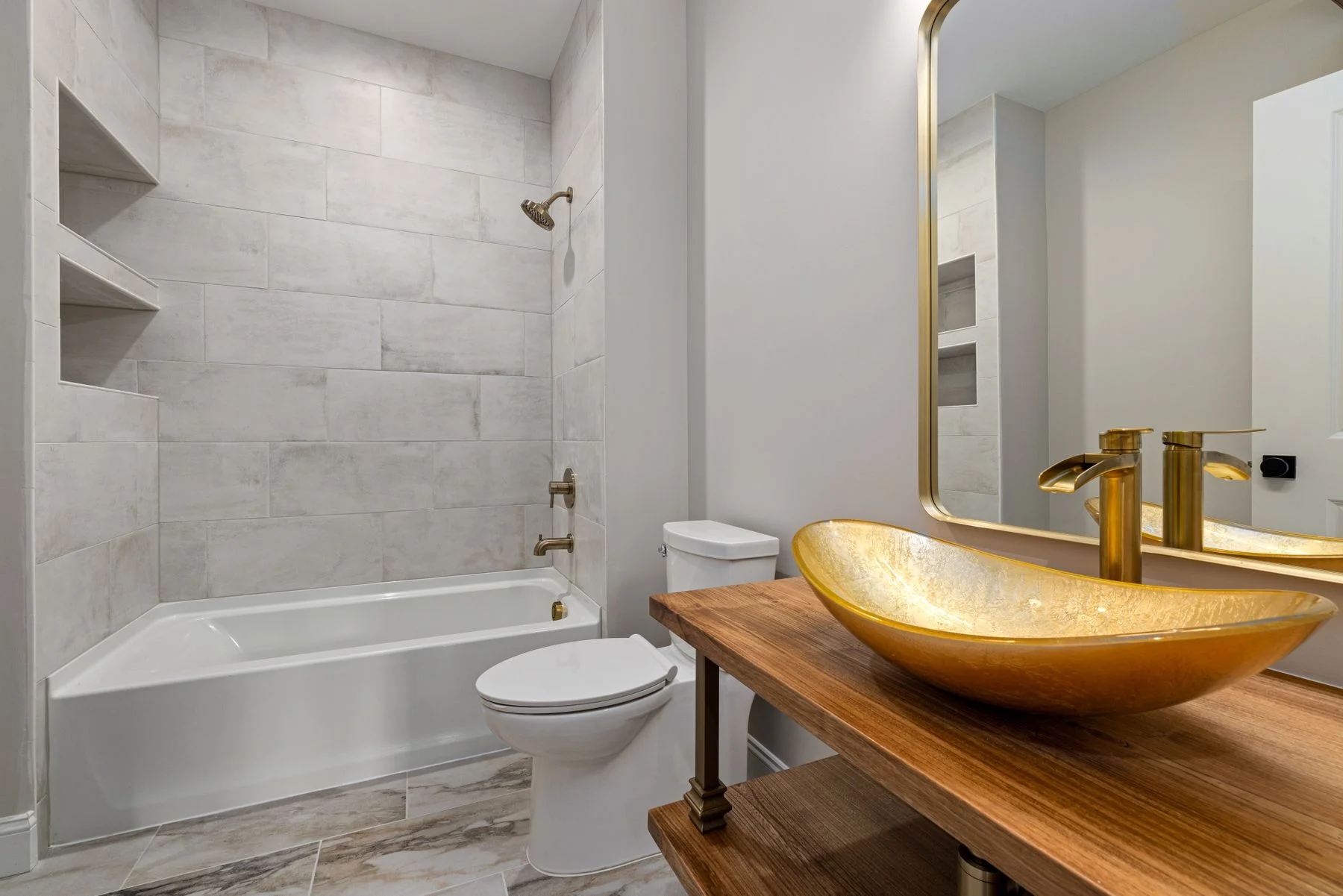
Some rooms produce moisture rather than just receiving it. Showers, tubs, cooking, dishwashers and laundry all push water vapor into the air. If that vapor has nowhere to go, it condenses on cool surfaces, creeping into grout, caulk, ceilings and cabinet interiors.
Kitchens bring their own version of the same problem. Cooking steam, a dishwasher that vents at the end of its cycle and a sink that is rarely dry all feed moisture into cabinets and the wall behind them. A range hood that actually exhausts outdoors, instead of recirculating through a filter, takes a great deal of that load away. Ask what type is planned and where it will vent.
Ventilation is the quiet hero. A properly sized and ducted exhaust fan, run during and after use, removes humid air before it settles in. Fans that simply move air around inside the ceiling or vent into an attic space defeat the purpose. If a bathroom has persistent musty smells or ceiling spots, read our page on poor ventilation in bathrooms.
Waterproofing is the other half. Moisture that is meant to stay on the surface of a shower must not reach the framing, which is why membranes and careful detailing matter before any tile goes on. See our bathroom waterproofing explained guide, and if you already have dark grout lines or caulk, the moldy grout and caulk page explains what it may mean.
Air conditioning, dehumidifying and the house as a system
An air conditioner removes moisture as it cools, but only when it runs properly. Oversized systems that cool in short bursts and shut off can leave the air clammy, while undersized or poorly maintained ones struggle to keep up. Ducts that leak into hot attics or walls pull in damp air and create cold surfaces where condensation forms.
This is a specialist topic, and your renovation should not try to settle it alone. If your project changes the layout, adds a room, closes in a porch or alters how air moves, ask whether the cooling and ventilation plan needs to be reviewed by an HVAC professional. Some specialist work is carried out by a specialist trade under the contractor's coordination.
Closed in additions and converted spaces deserve a second look. A garage turned into a living room, a porch that becomes an office or a bump out that extends the kitchen all change how much air needs to be cooled and dried. Existing ducts may not reach the new space, and a room served by a single weak vent can stay clammy. Ask early so the cooling plan grows with the layout.
Smaller choices help too. Keeping interior doors from sealing a room away from the air flow, placing furniture so that closet and cabinet air can circulate, and using ceiling fans to move air all reduce still pockets where moisture and mildew settle.
Construction timing: when humidity works against the schedule
During construction a house is open, wet and unfinished. Concrete, plaster, joint compound, paint and adhesives all release moisture as they cure. Add wet weather and open doors, and the interior can stay damp far longer than expected.
This is why the order of work matters. Moisture heavy trades come first, the house is closed up and conditioned, and moisture sensitive items such as wood floors, cabinets and finish carpentry come after. Our guide on renovation sequence explained describes why this order is not arbitrary.
Schedule thinking should also consider lead times, which is a question to ask rather than a number to assume. If cabinets or flooring arrive before the house is ready, they either sit in a damp space or force the crew to rework the order of work. Coordinating deliveries with the stage of the project keeps materials protected and the site calm.
Ask your contractor how the site will be kept dry during storms, how deliveries are protected, and whether any product has conditions that must be met before it is installed. Resist the urge to hurry a delivery in during a downpour. A day of waiting often saves a replaced board.
Salt air, storms and humidity together
Near the coast, humidity is joined by salt in the air. Salt attracts moisture and speeds up corrosion on metal, which can show up as rust on hardware, hinges, fasteners and fixtures. Our salt air and home materials guide looks at finish choices for coastal homes.
Storm season adds temporary extremes. Power outages mean the air conditioning stops and indoor humidity climbs steadily, which is when mildew can take hold on cabinets, books, upholstery and walls. If a storm interrupts your project, ask how finished work will be protected and what to check when the power returns.
If you live in a city such as Miramar, you may be inland from salt spray but still share the same humid summers. This is general guidance for homeowners in that area and does not describe any particular house.
Everyday habits that protect new work
After the project is done, the home still needs help. Run the air conditioning steadily rather than switching it off while you are away for long stretches. Use bathroom fans every time. Wipe up spills and condensation near cabinets and floors. Keep an eye on plumbing connections under sinks, behind toilets and at the dishwasher.
Furniture and storage matter more than most people think. A sofa pushed flat against an exterior wall, a closet stuffed to the ceiling or boxes stacked on a bare slab trap still air and hold moisture. Leave a little space behind large pieces, raise stored items off the floor and open closet doors now and then. These habits cost nothing and protect the finishes you just paid for.
Check for early warning signs. A faint musty smell, a baseboard that starts to swell, caulk that darkens, or a door that begins to stick in summer all indicate that moisture is accumulating. Catching them early costs little compared with finding them behind a finished wall.
A simple humidity meter, available at most hardware stores, shows what your rooms really feel like. Many people are surprised by how different a closet or interior bathroom reads. The meter turns a vague worry into information you can share with your contractor.
What to put in writing before work begins
Make humidity a visible part of the scope. List the products chosen and why they suit the room. State when materials will be delivered and where they will be stored. Note any moisture checks planned for slabs, subfloors or walls, and how the house will be kept conditioned during work.
Agree on what happens if something unexpected shows up. If the crew finds damp framing, an old leak or hidden damage behind a wall, work in that area should pause and the issue should come to you as a written change order with a price before it proceeds. That protects both sides from guessing.
Finally, walk the finished project together before final payment and put anything you notice on a punch list. A calm walk through the rooms, with the lights on and the doors and drawers operated, is a dependable way to catch small humidity related details.
Common questions
Does humidity make some flooring a bad choice?
No flooring is automatically a bad choice, but each type has conditions it tolerates. Wood needs proper acclimation and expansion space, and every floor over a slab needs a plan for moisture from below. Ask your contractor to explain why the product suits your room and what the manufacturer requires.
Why do my cabinet doors stick in summer?
Wood and wood based boards absorb moisture from the air and swell slightly, which can make doors and drawers rub or stop lining up. If it happens only in the wettest months, it may be seasonal. If it keeps getting worse or you see bubbling or soft edges, ask a professional to look at the source of moisture.
Can I paint during the rainy season?
Sometimes, but surfaces must be dry and air conditions reasonable for the product to cure properly. Interior painting is easier to control than exterior work if the home is air conditioned. Ask your painter how they decide a wall is ready, rather than relying on a calendar date.
What is the most common sign of a moisture problem?
A musty smell, new staining, swollen baseboards, bubbling paint, darkening caulk and doors that start to stick are common early signs. They do not all mean something serious, but they are worth tracking. Take dated photos and share them with a professional if they spread or return.
Do bathroom fans really matter?
Yes. A properly ducted fan removes humid air before it condenses on ceilings, grout and cabinets. Running it during and after showers helps protect new finishes. If you notice lingering moisture or smells, ask a professional whether the fan is sized and vented correctly, because needs vary by room and building.
Should I tell my contractor about past leaks?
Absolutely. Past leaks, stains, repairs and storm damage help a contractor decide where to look and what to test before closing up walls or installing new finishes. Share photos and any paperwork you have. The more they know up front, the fewer surprises appear during the work.