Why tile and Florida suit each other
Tile has long been popular in warm climates, and South Florida shows why. It stays cool underfoot, shrugs off humidity and does not swell or warp the way some wood products can. It handles sand tracked in from outdoors and spills from the kitchen, and it can be cleaned with little effort. For many homes, tile is the sensible default for entries, kitchens, baths, laundry rooms and living areas alike.
That popularity can hide the fact that tile is a system, not a single product. The tile itself, the grout between pieces, the mortar beneath it and the surface under the mortar all work together. If any part is poorly chosen or poorly prepared, the floor can crack, loosen or stain. A good result comes from choosing every layer with the same care that you give to color.
This guide walks through the main material families, the questions of grip and grout, and the decisions that come before the first tile is laid. It is written for planning, not for do it yourself work. The aim is to help you talk with a contractor, read a written scope and spot the points that deserve a second look before an order is placed.
Throughout, remember that this page offers general information. Products differ, and a maker instruction sheet is more specific than any guide. When in doubt, ask your contractor to show you the sheet, and ask your city building department about requirements that may apply to your home.
Porcelain: dense and versatile
Porcelain tile is made from fine clay fired at high heat, which produces a dense body that absorbs very little water. That low absorption is the quality that makes it popular for wet rooms, outdoor patios and humid regions. Porcelain is also hard, resists staining and holds up well to heavy traffic. It comes in a wide range of looks, including surfaces that imitate wood, stone and concrete.
Not all porcelain is the same. Some pieces have color only on the surface, while others carry color all the way through, which makes chips less noticeable. Surface finishes range from polished to textured, and the finish changes how slippery the tile is when wet. Ask which finish is being proposed and whether it is meant for the room where it will be used. Outdoor and entry areas call for the same question with extra weight, since they see sun, rain, sand and salt. Choose products the maker states are suitable for exterior use, with traction to match, and ask how the slab drains so water never stands on the surface.
Porcelain is hard to cut and heavy, so installation takes skill. Large formats look striking but demand a very flat surface, and uneven floors can leave edges raised. Our page on tile flooring installation describes how installers handle preparation, layout and setting for different tile types.
Ceramic: friendly and varied
Ceramic tile is made from clay as well, usually fired at lower temperatures, which gives a body that is somewhat softer and more porous than porcelain. It is easy to cut and widely available in countless colors, patterns and glazes. For walls, backsplashes and lightly used floors, ceramic is an attractive and practical choice.
In wet or high traffic locations, the details matter more. A glazed surface sheds water well, but if the glaze chips, the porous body underneath can absorb moisture. For floors in busy areas, many installers lean toward porcelain for its durability. For bathroom walls and decorative areas, ceramic remains a popular option because of its range of looks.
When you consider ceramic for a floor, ask whether the maker states that the specific product is meant for floor use. Some ceramic tile is intended only for walls and may crack or scratch under foot traffic. The product label or specification sheet should say so, and a contractor can help you read it.
Natural stone: beauty with upkeep
Natural stone includes marble, travertine, limestone, slate and others, each with its own character. No two pieces are alike, and the variation is part of the charm. Stone can bring warmth and a sense of permanence, and in some South Florida homes it is used throughout living areas and outdoors.
Stone also asks more of its owner. Many stones are porous, so they can stain, darken when wet and etch when exposed to acidic liquids. They typically need sealing at installation and again over time, and the sealer should be suited to the stone. Some stones soften or flake in constant moisture, and some are slippery when polished. Ask the supplier how the specific stone behaves in a humid, wet or salty environment. Also ask what happens if a piece stains or chips, whether it can be repaired and whether matching stone will be available later. Natural material varies from lot to lot, so extra pieces ordered now may be the only match you ever get.
If you love stone but worry about upkeep, consider using it where the demands are lowest, such as a dry entry or a feature wall, and choosing porcelain elsewhere. Many porcelain tiles imitate stone convincingly. Ask to see samples side by side in your own light, and ask honestly how much care you are willing to give.
- Porcelain: dense, low absorption, durable, wide range of looks.
- Ceramic: easy to work with, many colors, suited to walls and lighter use.
- Natural stone: unique character, often needs sealing and regular care.
- Always check the maker's stated use for floors, walls, wet areas and outdoors.
Slip resistance in wet areas
A floor that is lovely when dry can be dangerous when wet. Showers, entries, pool decks, patios and kitchens all see water, so grip should be part of the decision. Polished and glossy surfaces tend to be slicker than textured or matte ones. A subtle texture can add traction without making the floor harder to clean.
Manufacturers often publish a slip resistance description or classification for their tile. Ask for it and ask what it means for the room you are tiling. Requirements for slip resistance in certain locations may be set by your city, your building or your association, so ask your city building department and your association what applies rather than assuming.
Size also affects grip. Small tiles and mosaics have many grout lines, which add traction to shower floors, while large format tiles with few lines offer less. Consider who will use the space: children, older relatives and guests with wet feet all benefit from a surface that holds. Safe floors are not an extra, they are part of good design. Wet feet on a smooth floor at the edge of a shower or beside a pool are the situations to picture when you look at samples. If possible, wet a sample and run your hand across it before you decide.
Grout: the other half of the floor
Grout fills the lines between tiles, locking them together and keeping debris out. It also determines how the floor looks from a distance, since wide, dark or contrasting lines create a pattern. Cement based grout is common and comes in many colors, though it is porous and may need sealing. Epoxy grout resists stains and moisture better but is harder to work with and costs more in labor.
In humid climates, grout is the weak point for mold and discoloration. Light colors show dirt, while dark colors can show efflorescence, a white powder that sometimes rises from cement based materials. A mid tone that matches the tile often hides both. Ask your installer which type is proposed, how wide the lines will be and whether sealing is part of the plan. The color you pick should also suit the tile edge: a pale line against a dark tile makes every irregularity visible, while a close match gives a calm, continuous look.
Narrow grout lines look tidy but require a flat floor and well cut tiles. Wider lines are more forgiving of small variation. Our page on moldy grout and caulk explains what to watch for, and the broader guide to humidity and your renovation covers moisture across the house. If you already see dark lines returning soon after cleaning, tell your contractor; the cause may be moisture, ventilation or a failing sealant rather than the grout itself.
The surface beneath the tile
Tile is unforgiving of what lies beneath it. A subfloor that flexes, a slab that is uneven or a surface that holds moisture can cause cracked tile or grout. That is why preparation is often the most important stage of a tile job, even though it is invisible once the floor is done. Read our guide to subfloor preparation for new flooring before you finalize a plan.
Cracks that appear after installation can come from several causes, including movement in the structure, a poorly prepared base or moisture. Our page on cracked tile floors explains how to describe the symptom and what to ask. A contractor can evaluate the existing surface during a walkthrough, and the written scope should say what preparation is included.
Transitions where tile meets another floor also need thought. Differences in thickness, a gap at a doorway or a change in material can cause trip hazards or edge damage. See uneven or damaged tile transitions for the kinds of problems that planning can prevent.
Bathrooms, showers and waterproofing
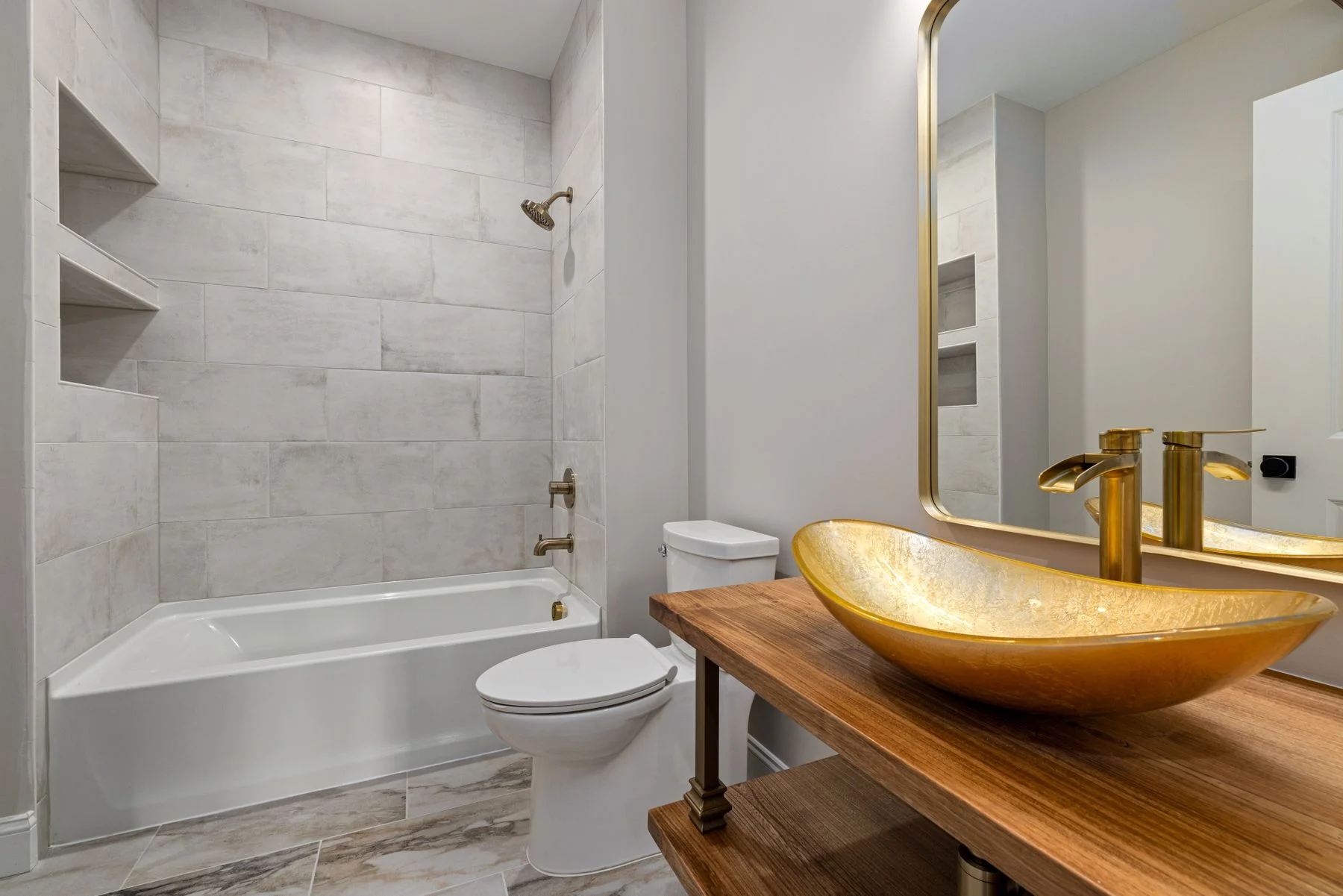
In a bathroom, tile is the visible layer of a waterproof system. The tile, the grout and the sealants shed water, but the barrier behind them is what protects the structure. Choose tile with the whole assembly in mind, including the slope of the shower floor and the treatment of corners. The bathroom waterproofing explained guide describes the layers.
Tile size and shape influence installation in wet areas. Small mosaics follow curves and slopes more easily, so they are common on shower floors. Large wall tiles reduce grout lines but need flat backing. Ask your contractor which formats suit the shower you have in mind and why. The bathroom tile and waterproofing page shows how the work is organized.
Do not forget ventilation. Even good tile suffers when steam has nowhere to go. Moisture left on surfaces encourages mildew and weakens sealants. Ask how the room will be vented, and whether the fan is sized for the space. A fan that is too small, or a duct that ends in the attic, leaves moisture in the room and lets it settle on grout and caulk over time.
Sealing, cleaning and care
Maintenance should be part of your decision. Porcelain generally needs only regular cleaning with a gentle cleaner. Natural stone and cement based grout may need sealing at installation and again later. Ask for the care instructions in writing and keep them with your project records.
Be careful with cleaning products. Harsh acids can damage grout and etch stone, and some cleaners leave a film that makes floors slippery. Use products recommended by the tile maker, and test them in a small area before using them widely. In a salt air environment, rinse exterior tile with fresh water from time to time.
Plan for replacement. Keep a few extra tiles from the same batch, because color can vary between production runs. If a tile cracks years later, having a matching spare makes the repair far simpler. Ask the installer how many extra pieces make sense for your project and where to store them.
Layout, patterns and the details that show
How tile is laid out affects the finished look as much as the tile itself. A straight pattern feels calm and formal, a staggered pattern adds movement, and a diagonal layout can make a small room feel wider though it creates more cuts at the edges. Ask to see a layout plan, especially for large formats, so the cuts at walls and doorways are balanced rather than left as thin slivers.
Trim and edges matter too. Where tile ends on a wall, at an outside corner or at a step, a finishing piece or a carefully cut edge protects the corner and gives a clean line. Baseboards in tile rooms can be made from matching tile or from other material. Decide early, since the choice affects wall finishing, paint and door casings.
Pay attention to lighting. Glossy tile reflects windows and fixtures, which can show unevenness in the surface. A matte finish hides small flaws and reduces glare. Hold samples at the actual location and look at them in morning and evening light. Check as well how the tile looks next to your paint colors, cabinets and counters, since it will sit beside them every day.
Think about the long view. Trends in color and pattern come and go, and a floor lasts a very long time. A neutral base with accents that are easy to change, such as paint, rugs and fixtures, gives you more freedom to update later. If you want a bold pattern, consider using it in a smaller area where the commitment is lower.
Comparing tile with other floors
Tile is not the only option for a humid home. Luxury vinyl plank offers warmth underfoot and a softer feel, along with the look of wood. Each material has strengths. Our comparison of tile versus luxury vinyl plank sets them side by side so you can decide based on how you live.
When you narrow your choices, use the flooring selections checklist to record each decision. It prompts you to think about substrate, transitions, grout, trim and care, all of which affect the final result. Keep samples in one place so you can compare them in the room.
Finally, remember that the written scope is the place where choices become commitments. A fixed price is set against that scope before work begins, and anything discovered behind a wall or under the old floor comes to you as a written change order with a price. Reading carefully and asking questions now keeps the project calm later.
Common questions
Is porcelain or ceramic better for a humid home?
Porcelain absorbs less water and is generally more durable, which makes it a common choice for floors, showers and outdoor areas. Ceramic works well on walls and lightly used floors. Whichever you choose, confirm the maker states it is suitable for the intended location.
Does natural stone work in South Florida?
It can, but it needs care. Many stones are porous, may stain or etch and often require sealing. Some are slippery when polished or wet. Ask the supplier how the specific stone behaves in humidity and salt air, and be honest about the upkeep you will accept.
How do I choose a tile that is not slippery?
Look for a textured or matte finish and ask the maker about slip resistance. Smaller tiles with more grout lines add traction on shower floors. Requirements in some locations are set by your city, building or association, so ask them what applies to your space.
Which grout suits humid climates?
Epoxy grout resists stains and moisture, while cement based grout is common but porous and may need sealing. Mid tone colors tend to hide both dirt and mineral deposits. Ask your installer what is proposed, how wide the lines will be and what care it needs.
Why does the surface under the tile matter so much?
Tile and grout are rigid. A subfloor that flexes, a slab that is uneven or a base holding moisture can lead to cracks or loose tile. Preparation is the unseen stage that decides whether the floor performs, so make sure the scope states what it includes.
Can tile be used outdoors on a patio or balcony?
Yes, if the product is stated by its maker as suitable for exterior use and offers good traction. Drainage and slope are equally important. In a condo or townhome, check your association rules before choosing anything for a balcony or terrace.