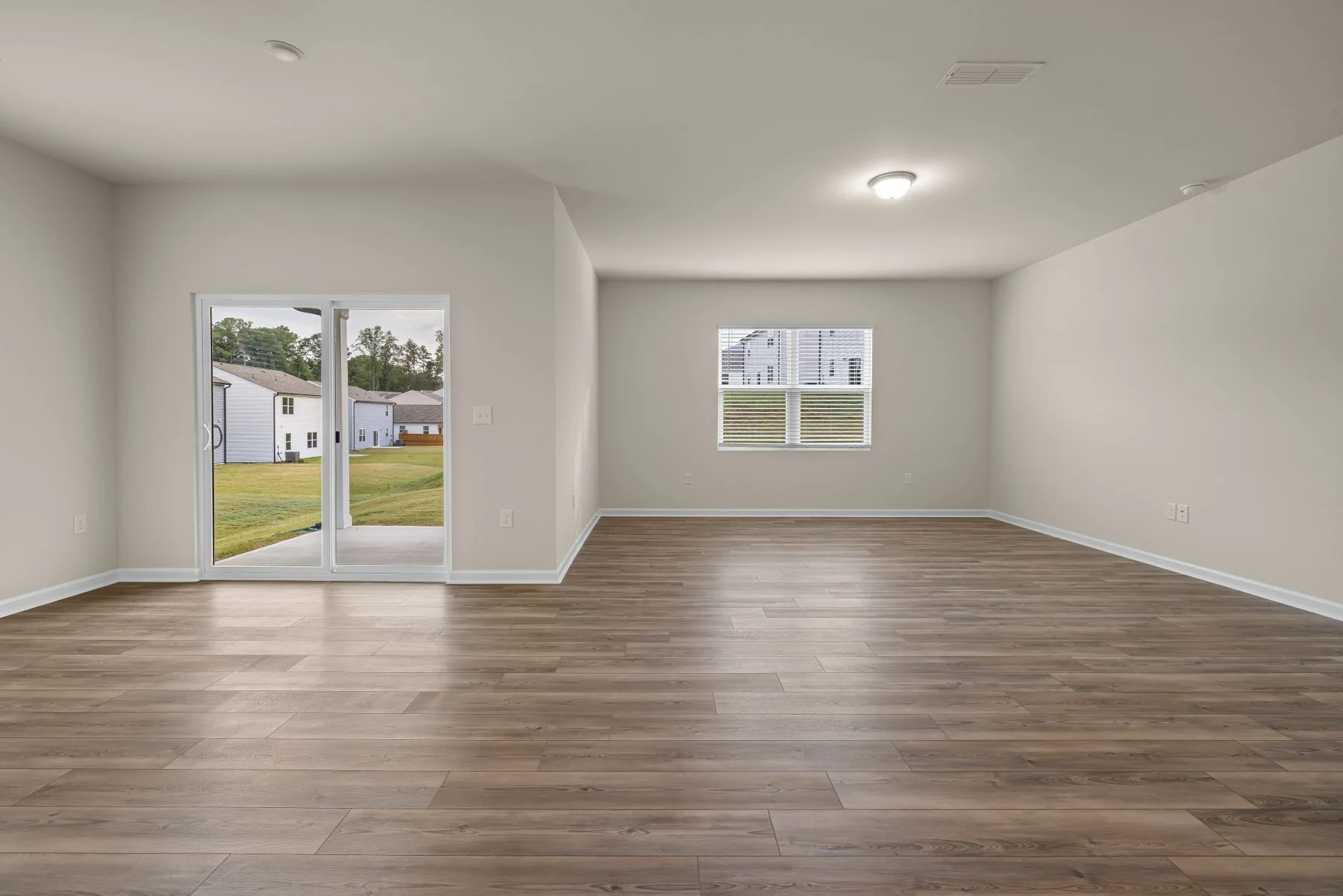
Start with what the house is telling you
Every renovation begins with the house you already have, not the picture you saved from a magazine. In a community with a mix of older and newer homes, the same kitchen request can mean very different work from one address to the next. A home built decades ago may hide old wiring runs, thin subfloors or plumbing that has been patched more than once, while a newer home may simply need updated finishes. A good first step is to walk your own property and write down what bothers you daily.
Think in terms of friction. Is the kitchen hard to cook in, does the bathroom stay damp, do the floors feel different in different rooms, do the windows rattle in a storm? Those small daily annoyances are the real brief, and they help a contractor understand which items are cosmetic and which are structural or mechanical. Write them down in order of how much they bother you, and be honest about which ones you could live with another year.
This page is general guidance for homeowners in and around Lauderdale Lakes. It does not describe specific streets, neighborhoods or local housing facts, and it does not claim anything about past work in any one community. What it can do is show you how renovation planning works in South Florida in general, so that your first conversation with any contractor is a more useful one.
The walkthrough and the written scope
With us, every project starts with a walkthrough followed by a written scope. The walkthrough is where someone stands in your rooms, opens cabinets, looks at ceilings and asks about how you live. The written scope is what comes out of it: a plain list of what is included, and just as important, what is not. If a line is not in the scope, you should assume it is not part of the price.
Homeowners sometimes feel awkward asking for that level of detail, but it protects everyone. A scope that says only kitchen remodel leaves room for three different expectations. A scope that names the cabinets being removed, the surfaces being replaced, the floor being protected and the debris being hauled away leaves almost none. Our guide on reading a written scope walks through the lines worth checking twice.
Once the scope is agreed, a fixed price is set against it before work begins. That fixed price is only meaningful because the scope is specific. If you change your mind about a faucet or add a closet later, that becomes a written change, not a surprise on the final bill. Ask any contractor you speak with how scope changes are handled and what the paper trail looks like.
Kitchens in homes of different ages
Kitchens are usually the largest single decision in a home update, and the age of the house shapes almost every choice. Older kitchens often have smaller footprints, walls that were placed for a different way of cooking, and electrical capacity sized for fewer appliances. Newer kitchens may have a good layout but tired cabinets or surfaces that no longer match the rest of the house. Knowing which situation you are in tells you whether you are doing a refresh or a rethink.
If you want cabinets replaced, the questions are about condition and layout together. Sound boxes in a workable layout may be candidates for new doors and surfaces, while sagging boxes or a layout that fights you point toward full replacement. Our page on kitchen cabinet replacement explains how that decision is approached, and the refacing versus replacing comparison lays out the tradeoffs in plain language.
Remember that kitchens touch several trades at once. Plumbing, electrical, tile, countertops and flooring all meet in one room, and the order they arrive matters. A well planned kitchen has a sequence written down before the first cabinet comes off the wall, so that nobody is waiting on someone else and your household is not without a kitchen longer than necessary.
Counters, backsplash and lighting deserve the same early attention as cabinets. Surfaces are often ordered only after cabinets are set so measurements are exact, which means the ordering question and the lead time question should be raised at the start. Ask your contractor which selections must be final before work begins and which can wait, so that you are never forced to choose a faucet or a tile in a hurry at the end.
Bathrooms and the problem of moisture
South Florida bathrooms work harder than most. The climate is humid for much of the year, air conditioning cycles constantly, and a bathroom that is not ventilated well will hold moisture on walls, grout and ceilings. When homeowners describe musty smells, dark grout lines or paint that bubbles above the shower, the cause is often a combination of ventilation and waterproofing rather than any single bad material.
A shower is a system, not just a tile finish. Behind the tile there is a substrate, a waterproofing layer, a slope to the drain and carefully handled corners, and the tile you see is only the visible part. Our guide to bathroom waterproofing explains why those hidden layers matter, and the page on walk in shower remodeling shows how they fit into a full project.
If you are thinking about replacing a tub with a shower for easier daily use, ask about the framing and plumbing behind the existing tub before you fall in love with a design. What looks like a simple swap on paper can reveal rot, patched pipes or an awkward drain location once the wall is open. That is exactly why a clear process for findings behind the wall matters, which we cover further down this page.
- Ask where the exhaust fan vents and whether it can move the air the room produces.
- Ask what waterproofing method will sit behind the tile and where it stops and starts.
- Ask how the shower floor will be sloped and how that slope will be checked.
- Ask what happens if soft or damaged framing is found when the old finish comes off.
Flooring that has to work in every room
Flooring decisions in South Florida come down to moisture, movement and how the surface feels under bare feet. Tile is common in warm climates because it tolerates humidity and stays cool. Vinyl plank offers a softer feel with good water tolerance, and hardwood or engineered wood brings warmth but asks for more attention to moisture and subfloor conditions. None of these is the right answer for every room, and a mixed approach often makes more sense than one material throughout.
What goes under the floor matters as much as what goes on top. A surface that is not flat, a slab that holds moisture or a subfloor with soft spots will telegraph problems into any new material. Read our guide to flooring subfloor preparation before you choose a product, because it changes how you think about budget and sequence.
If you are comparing materials, our side by side pages on tile versus luxury vinyl plank and hardwood versus engineered wood give you a framework for the decision. Ask a contractor to explain transitions between rooms, because the places where two materials meet are where most visible flaws appear.
Windows, doors and storm season
Hurricane season shapes how many South Florida homeowners think about openings. Windows and sliding doors are the most exposed parts of the building envelope, and homeowners often wonder whether to replace them before or after other projects. There is no single answer, but there is a good way to think about it: openings affect comfort, noise, energy use and storm readiness all at once, so they deserve a place near the top of your planning list.
Replacement involves more than swapping glass. The opening itself, the frame, the sealing and the interior and exterior finishes all come into play, and the details depend on your home and your city. Requirements for permits and product approvals vary, so ask your city building department what applies to your address and ask your insurer whether any documentation affects your coverage. Our guide to impact window basics is a good place to start learning the vocabulary.
When you are ready to talk specifics, the service pages on impact window installation and sliding glass door replacement describe what the work involves. Lead times for windows and doors can be a planning issue in themselves, so ask early how long ordering might take rather than assuming.
Interior updates that change how a house feels
Not every project is a gut renovation. Many homeowners get a great deal out of painting, new interior doors and trim, better lighting or repaired drywall. These are the changes you notice every time you walk into a room, and they often tie together other upgrades such as new floors or a new kitchen. The trick is to treat them as part of a plan instead of afterthoughts at the end.
Lighting is a good example. A dark room is rarely solved by adding one bright fixture; it is solved by layering general light, task light and accent light so that the room works at different times of day. Our guide on interior lighting layers shows how to think about it, and the recessed lighting installation page covers the work involved when ceilings are opened or cut.
Paint is where small decisions add up. Sheen affects how walls hide flaws and how easily they clean, and prep work affects how long the finish lasts. If you have recurring cracks or nail pops, the finish is not the problem; something behind it is moving or was not fastened well. Ask the contractor how they handle surface repair before paint so that you are not repainting the same crack next year.
Trim and doors deserve a moment as well. Door styles, hinges, handles and baseboards set the tone of a home more than most people expect, and replacing them together keeps a space looking consistent instead of half updated. When you plan these items alongside flooring, remember that the order of work changes the result, because trim sits on top of floors and paint finishes everything last.
Exterior work in salt air and sun
The outside of a South Florida home takes a beating from sun, heavy rain and wind, and homes closer to the coast also deal with salt in the air. Stucco, paint, soffits, fascia, gutters and roofing all age under those conditions, and small failures tend to let water into places you cannot see. A stain on a ceiling inside may start with a flashing issue outside, and a cracked stucco wall may be cosmetic or may be letting water in.
This is why exterior work deserves the same written scope as interior work. Repairs to stucco, exterior paint and roofing should state what surfaces are being prepared, what is being replaced and what protection is being given to landscaping and walkways. A paint job over damaged stucco is only temporary, and a roof patch over damaged decking only hides a problem.
If you are unsure what you are looking at, our roof inspection checklist helps you note what you see from the ground and inside the house before you call anyone. Take photographs, write down dates and tell the contractor when you first noticed the issue. That history is surprisingly useful for working out causes.
Townhomes, condos and associations
Many homes in Broward County sit inside a condo, townhome or homeowner association, and those communities often have their own rules about what work is allowed, which hours crews can work, how materials are brought in and which finishes are acceptable. Do not assume your contractor already knows your community's rules. Ask your association for its renovation requirements in writing before you finalize any scope or schedule.
Condo renovations in particular involve shared walls, shared plumbing stacks and sometimes shared floors where sound transmission is a concern. A flooring change that is simple in a detached house can be complicated in a building where the floor below belongs to someone else. Our planning page on working with HOA and condo rules lists questions worth asking before you commit to anything.
Approval timelines are their own planning item. Some associations look over plans on a set schedule, and approval may need to happen before permits can be applied for. Build that into your expectations, and ask your contractor to coordinate their paperwork with your association's process so that nothing is started out of order.
What happens when a wall is opened
Every renovation carries some uncertainty because nobody can see inside walls, floors and ceilings until they are opened. Old water damage, undersized framing, hidden wiring or improper previous repairs can all appear. The question is not whether surprises can happen but how they are handled when they do.
Our approach is that anything found behind a wall pauses the affected work and comes to the homeowner as a written change order with a price before it proceeds. You see what was found, you see the proposed fix and you decide. Nothing is added quietly. Our guide to change orders describes how to read one and what questions to ask.
This also explains why a fixed price is tied to a written scope. The scope covers what can reasonably be seen and discussed at the walkthrough. Hidden conditions are handled through the change process rather than being guessed at in advance and built into an inflated number, which keeps the original price honest and the decisions in your hands.
Questions to ask before you call anyone
Before you speak with a contractor, gather your own information. Note the age of the house if you know it, any previous renovations, any problems you have already noticed and what you plan to keep. Collect photos of rooms you like and rooms you dislike. Decide which items are must haves and which are nice to have if the numbers work.
Then prepare questions about process rather than only about outcome. Who will be my one point of contact? How are permits handled? Which trades work for you directly and which are brought in as specialists? What does a normal working day look like, and how is the site left at the end of it? Our list of questions for choosing a contractor can be printed and used on every call.
Finally, plan for the end of the project as carefully as the start. A punch list walked together before final payment is how small defects get recorded and corrected. Our punch list checklist helps you look at the right things, and nearby communities such as Lauderhill and Oakland Park have their own general guidance pages if your project spans neighbors.
Common questions
What should I have ready for a first walkthrough?
Bring a list of what bothers you most, photos of rooms you like, and any paperwork you have about earlier work on the house. Be ready to say which items are essential and which can wait. Clear access to the rooms involved also helps the walkthrough produce a more accurate written scope.
Does a written scope really change anything about the price?
Yes. A fixed price only means something when it is set against a written list of what is included and what is not. Without that list, two people can read the same price and expect different work. The scope turns a vague number into a clear agreement you can check line by line.
Who pulls permits for my project?
Where the work requires permits, we pull them and schedule inspections as part of the project. Requirements differ by city and by type of work, so you should also ask your city building department what applies to your address. If you live in a condo or association, ask about approvals before permits.
What happens if something unexpected is found behind a wall?
Work on that area pauses. The finding is described to you in a written change order with a price, and the work only proceeds once you decide. This keeps the original fixed price tied to the original scope and keeps every added cost visible and agreed in advance.
Can I stay in the house during a renovation?
Often yes, but it depends on the rooms involved and how essential they are to daily life. A kitchen or the only bathroom changes your routine more than a bedroom floor does. Our planning resources on living through a project can help you decide, and the sequence of work can be arranged around your needs.
Is this page specific to Lauderdale Lakes?
This is general guidance for homeowners in and around Lauderdale Lakes, covering the climate and the planning steps common to South Florida. It does not describe local streets or housing details, and it does not claim past projects in any one community. Your own walkthrough is where specifics about your home are settled.