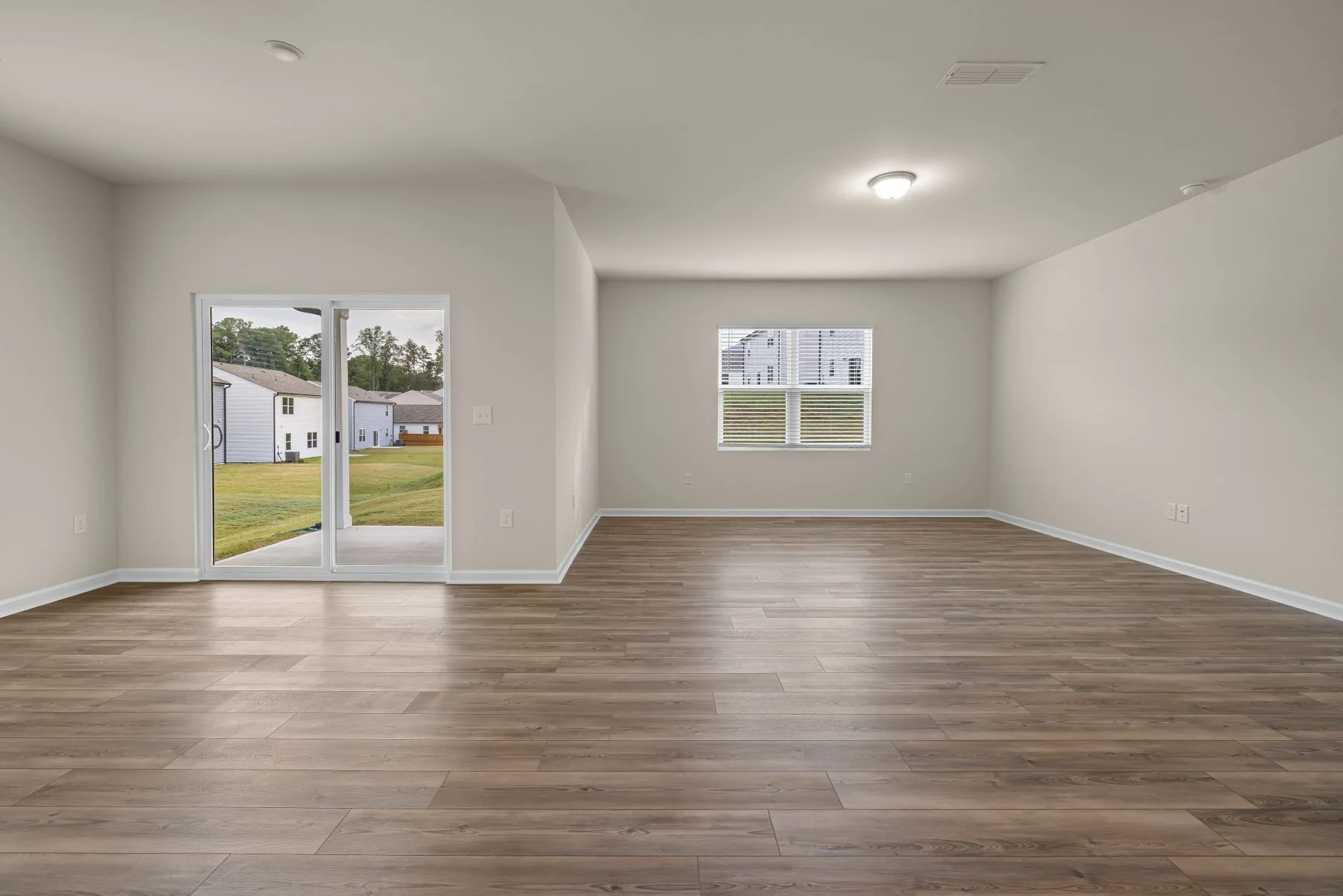
What vinyl plank actually is
Vinyl plank is a manufactured flooring made in layers. A printed film gives the look of wood or stone, a clear wear layer protects that film, and a core underneath gives the plank its body. Many also have an attached backing pad. Because every layer is a design choice, two planks that look the same in a photograph can behave very differently in a house.
The appeal is easy to see. Vinyl plank resists everyday moisture far better than wood, it is comfortable to walk on compared with tile, and it comes in a huge range of colors and plank sizes. For many South Florida homes, that mix of looks and tolerance makes it a sensible choice for kitchens, hallways and living areas.
The word waterproof deserves some care, though. A plank may resist water on its surface and still allow water to travel through the seams to the subfloor below. Ask what a maker means by that word, what the installation requires to support it, and what is expected of the room around it. The answers will tell you more than the label does. A reasonable contractor will welcome these questions and will put the answers in the scope, because clear expectations protect everyone involved.
It is also worth knowing that vinyl plank is a family of products, not a single material. Some are sold as luxury vinyl, some as rigid core, some as click lock and some as glue down. Marketing names change from season to season, so rely on the construction details rather than on a catchy collection name when you compare two samples.
Reading the wear layer
The wear layer is the clear top coating that takes the scuffs, scratches and traffic. It sits over the printed image, so once it is worn through the pattern itself is exposed and cannot be repaired. A thicker wear layer generally means a longer useful life in a busy household, while a thin one may be fine for a guest room or a rental unit.
Thickness is usually expressed in a unit that varies by manufacturer, and the numbers are not always comparable from one brand to another. Instead of chasing a number, ask for the maker's stated use rating, whether the product is meant for residential or lighter commercial settings, and what the finish covers. Then match that to how your family actually lives.
Think honestly about the room. Dogs with long claws, rolling office chairs, heavy furniture and gritty shoes all work against any surface. A kitchen and entry will test the wear layer harder than a bedroom will. If you are weighing two similar looking products, spend your effort on the one that will face the hardest use.
Texture is another quiet factor. A plank with an embossed surface that follows the printed grain feels more like real wood and tends to hide small scuffs, while a very smooth plank can look flat and show every mark. Run your hand across the sample, look at it from a low angle near a window, and imagine it with a few years of ordinary living on top.
Core types and why they matter
The core is the body of the plank, and there are a few common families. Rigid cores are stiff and stable and tend to hide small imperfections in the subfloor better. Flexible cores are softer and thinner, and they follow the contour of whatever is under them, which can be a problem if the subfloor is not flat. Some cores are mineral based, some are polymer based, and some include a foam layer.
Each has trade offs. A stiff core often feels more solid underfoot and handles temperature swings with less visible movement, which matters in sunny rooms with big sliding doors. A softer core may be gentler on feet and can be quieter, but it asks for a flatter base because the pattern of bumps can telegraph through the surface over time.
Rather than picking a core by name, ask the seller to explain what it is made of, how it behaves in heat and how the maker says the plank should be installed. Ask whether it is designed to float or to be glued. If the answers are clear and consistent, that is a good sign. If they are vague, consider another product.
Sound deserves a mention here too. A hollow, clicky floor in a hallway can be irritating, and sound traveling to a unit below is a real concern in condos and townhomes. Core density, underlayment and installation method all play a part, so ask about them together rather than choosing each on its own.
- Ask what the core is made of and why the maker chose it.
- Ask how the product reacts to heat from sun through glass.
- Ask whether the plank is meant to float or be glued down.
- Ask what flatness the maker requires from the subfloor.
Underlayment: attached, separate or not at all
Underlayment is the thin layer between the plank and the subfloor. Some products come with a pad already attached to the back. Others require a separate underlayment, and some forbid one because it changes how the locking edges perform. This single detail is one of the most commonly misunderstood parts of a vinyl plank purchase.
The underlayment can help with sound, with minor leveling and with comfort. It can also create trouble when it is too soft, when it is stacked on top of an attached pad, or when the maker does not allow it. In condos, the association may require a certain level of sound control, and that requirement can shape the choice before you even look at colors.
Ask your contractor to put the exact underlayment plan in the written scope, including whether a moisture barrier is part of the system on a concrete slab. Also confirm who checks the maker's installation instructions. Keep a copy of the maker's installation sheet with your project papers, since it is the document an installer should be following. Following those instructions is what keeps the product within its intended use, so it is not a detail to leave to memory.
If a floor will run under a refrigerator, a dishwasher or a kitchen island, ask how the underlayment and plank system handles that weight. Heavy fixed items can pin a floating floor in place and cause trouble at the edges. A good plan leaves the floating field able to move and lets the cabinets and appliances sit where the maker allows.
The subfloor still decides the result
Vinyl plank is thin and unforgiving of bumps, ridges and dips. Old glue, patched areas, high spots and low spots can all show up as lines or soft areas in the finished floor. Preparation is therefore not extra work; it is the foundation for the product. A careful installer will check flatness with a straightedge and address problems before laying a single plank.
On a concrete slab, moisture matters too. Slabs can hold and release moisture, especially in South Florida's humid climate, and the maker usually has requirements for how that should be assessed. Do not assume that a light sweep with a broom is enough preparation, and do not assume the old floor can simply be covered over.
Our guide to flooring subfloor preparation explains the steps in more detail, and the subfloor repair and leveling page shows how corrections are handled. If you already see unevenness underfoot, our page on squeaky and uneven floors helps you describe it to a contractor.
Installation methods compared
Floating installation means the planks lock to one another and rest on the underlayment without being attached to the floor. This method is common because it is tidy and does not require adhesive. It needs room at the edges for movement, and it usually asks for a flat, stable base. Large open areas may need planned breaks so the floor can move without stress.
Glue down installation bonds each plank to the subfloor with adhesive. This can give a solid feel and reduce movement, and it is often chosen for commercial settings or large spaces. It also asks more of the preparation, makes later replacement harder, and requires proper ventilation during the work.
Neither method is automatically better. The right one is the one the maker approves for the specific product in your specific room. Ask your contractor which method they intend to use, why it suits your subfloor, and how transitions at doors, cabinets and thresholds will be handled. That conversation should also cover the order of work with other trades, so new floors are not damaged by later activity.
Temperature and humidity in the home during installation also matter. The planks and adhesives are designed to be installed within a certain range of indoor conditions, and a house with the air conditioning off for weeks may not meet it. Ask your contractor how the home will be conditioned before the work and for a stretch afterward, and plan to keep it steady.
Details that make a floor look finished
Transitions, trim and edges make or break the final look. Where vinyl meets tile, a sliding door track, a stair nose or carpet, there needs to be a planned piece of trim that is the right height and holds the edge safely. These are small items on a quote and large items in daily life, so they belong in the written scope.
Baseboard and quarter round deserve attention too. Existing baseboards may be removed and reinstalled, or new ones may be added. Floating floors need a small gap at the walls, and that gap is hidden by trim. If trim is not mentioned, you may be surprised by an exposed edge on the day the work is finished.
Cabinets and appliances are another point. Floors that float should not be pinned under fixed cabinets, and heavy appliances can affect movement. Ask how the plan handles islands, kitchen cabinets and built in furniture. The luxury vinyl plank installation page describes how those details fit inside a full job.
Comparing vinyl plank with other floors
Vinyl plank is a strong option when you want a wood look with moisture tolerance and comfort. Tile is harder, cooler and more permanent, and it can handle water extremely well but asks for careful setting and grout care. Laminate is made differently and reacts to water in its own way. Wood brings warmth and refinishing options but is more sensitive to humidity.
If you are choosing between vinyl and tile, our tile versus luxury vinyl plank page sets the tradeoffs side by side. If laminate is also in the mix, the laminate flooring installation page explains how it differs from vinyl in construction and care.
Cost and appearance are only part of the question. Think about what happens when something goes wrong: how a damaged plank is replaced, how much matching material you should keep, and how a leak would be handled. Those practical points often matter more than the name on the box.
Carpet is the other choice some households still consider, especially for bedrooms. Our carpet versus hard surface flooring page walks through comfort, allergens, sound and upkeep, and it can help you decide whether a single vinyl floor through the whole house suits your family or whether one room deserves something different.
Care, damage and replacement
Vinyl plank is easy to keep clean with regular sweeping and gentle cleaning products that match the maker's advice. Harsh abrasives, aggressive scrubbing and certain strong chemicals can dull the finish. Mats at entries help keep grit off the surface, and felt pads under furniture prevent dents and scratches.
Heat is something to consider in a sunny room. Direct sun through large windows and sliding doors can warm the floor surface considerably, and some products are more sensitive than others. Shades, window film or glass choices can reduce the effect. If your room has a big opening to the outdoors, mention it to your contractor.
Damage can usually be addressed by replacing individual planks, but the ease depends on the installation method and on whether you saved spare material from the original order. Ask about extra planks at the start, along with the product's dye lot information. A small stack in a closet can save a lot of frustration later.
Furniture moves are the last thing to plan. Lifting rather than dragging, using wide felt pads and avoiding rubber backed mats that can stain some vinyl surfaces will all help the floor last. Check the maker's care guidance for any product you are using on top, because a mat that suits one floor can mark another.
Putting your buying checklist together
Before you commit, gather a short list of answers. What is the wear layer and the use rating? What is the core made of? Is underlayment attached, separate or not allowed? What does the maker require from the subfloor? Which installation method is approved? Which trims are needed? Having these written down makes a quote much easier to compare.
When two quotes arrive, line the answers up side by side. A lower number that leaves out underlayment, trim, removal of the old floor or subfloor correction is not really lower, because those items will reappear later as extras. Ask each contractor to describe the same floor in the same detail, and the real differences between the offers will become easy to see.
Our flooring selections checklist turns many of these questions into a planning sheet, and the lead times and ordering guide explains why availability should be confirmed early. Asking about both before you fall in love with a sample can save a lot of trouble.
Every project we take on starts with a walkthrough and a written scope that spells out what is and is not included. A fixed price is set against that scope before work begins. If something unexpected appears under the old floor, the work pauses and a written change order with a price comes to you before anything proceeds. You can also browse our wider flooring installation overview to see how vinyl fits into a whole home plan.
Common questions
What does the wear layer on vinyl plank do?
The wear layer is the clear top coating that protects the printed image from scratches, scuffs and traffic. Once it wears through, the pattern is exposed and cannot be repaired. A thicker layer usually suits busy households better, so match the product's stated use rating to the room where you plan to install it.
Do I need underlayment with vinyl plank?
It depends on the product. Some planks have a pad attached, some need a separate underlayment, and some do not allow one at all because it affects the locking edges. Follow the maker's instructions, check any condo sound rules, and have the exact plan written into your scope of work.
Is waterproof vinyl plank safe from every leak?
Not necessarily. A plank can resist water on its surface while water still travels through the seams to the subfloor. Ask what the maker means by waterproof and what the installation requires. Leaks from appliances or plumbing should still be fixed at the source and dried promptly.
Can vinyl plank go over my existing floor?
Sometimes, but it depends on the existing surface and the maker's rules. Texture, unevenness, loose areas and old adhesive can telegraph through a thin plank. A contractor should inspect the floor and tell you what preparation or removal is needed before the new floor is laid.
Floating or glue down: which should I choose?
Choose the method the maker approves for your specific product and room. Floating installs are tidy and need room to move at the edges, while glue down installs can feel more solid but ask more of the preparation. Your contractor should explain why one fits your subfloor.
How much extra vinyl plank should I keep?
Ask your contractor to order extra material for waste and future repairs, and to keep a small stack of matching planks after the job. Dye lots can vary between orders, so a later purchase may not match perfectly. Store the spare planks flat in a dry place.