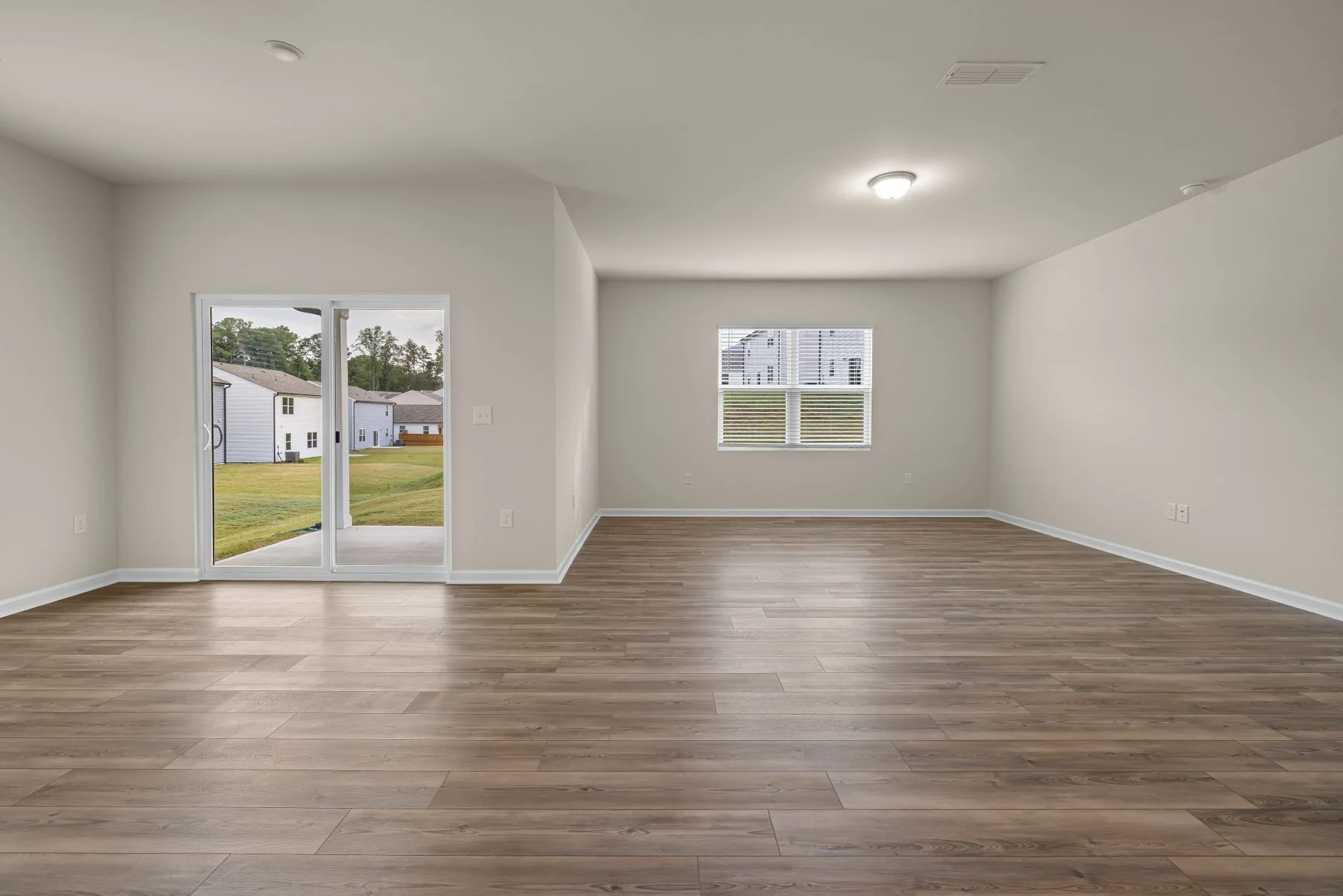
Decide first whether staying is realistic
Some renovations are easy to live around and others are not. A closet build out or a repaint of two bedrooms leaves most of the house untouched, while a project that removes your only kitchen or your only working bathroom changes every single day. Before you commit to staying, list which rooms will be unavailable and for roughly how long in terms of phases, not dates.
Ask the contractor for the phases in plain language: demolition, rough work, inspections, finishes, and the final walk through. Then match each phase to your household. Demolition is the loudest and dustiest stage, and the rough work stage often leaves open walls and exposed utilities. If someone in your home has a breathing condition, works night shifts, or is caring for a newborn, those phases deserve a serious conversation.
There is no shame in a hybrid plan. Many families stay for the quiet phases and spend the loudest days with relatives, at a short rental, or simply out of the house during working hours. Whatever you choose, write it down so everyone, including the project lead, knows who will be home and when. Our renovation sequence guide explains the order of work so you can build that plan around real phases.
Dust: where it goes and how to contain it
Dust travels on air currents, on shoes, on clothing and through the air conditioning system. In a humid climate where the air handler runs most of the year, the system can pull fine particles from a work zone and distribute them through the whole house. That is the main reason dust control is worth discussing before the first day, not after the first complaint.
Ask how the work area will be sealed off. Common methods include plastic sheeting taped at doorways, a zippered door in the sheeting so workers can pass without opening the whole barrier, covered or closed supply and return vents inside the work zone, and a clear path in and out that avoids your living space. Ask who is responsible for each item, and ask what happens when a barrier is torn or comes loose. A good answer is specific rather than a general promise to keep things clean.
At home, small habits help a lot. Keep interior doors to the work area closed, wipe horizontal surfaces near the boundary every day, and consider a replacement air filter schedule that the household agrees on. Do not ask workers to do anything unsafe with your equipment; if you are unsure whether the air handler should run during demolition, ask the contractor and, if needed, your air conditioning technician. For deeper detail on this topic, see our guide to managing dust and noise.
- Seal the work zone with taped sheeting and a zippered door where workers pass through.
- Cover or close vents and returns inside the work area.
- Choose one entrance and exit for crews so dust is not carried through the house.
- Wipe nearby surfaces each evening instead of letting dust build up.
- Ask the contractor to walk the boundary with you before demolition begins.
Protecting floors, furniture and belongings
Flooring takes more punishment during a renovation than almost anything else. Boots, ladders, wheeled carts, dropped tools and dragged materials all land on the path between the front door and the work zone. If you intend to keep the floors in the rest of the house, ask what protection will be laid down, and where it will run.
Furniture and personal items need their own plan. Anything you do not need during the project is better stored away from the work area, wrapped, or moved to another room, because dust gets into drawers, onto shelves and into the fabric of upholstery. Fragile pieces, artwork and electronics deserve extra thought, and so does anything that would be difficult to replace.
Our guide to protecting floors during construction goes through floor protection options in more detail. A short walk through the path with your project contact before work starts usually settles the questions: where materials come in, where trash goes out, and which rooms stay off limits to the crew.
Building a temporary kitchen that actually works
If the kitchen is being renovated, the most important question is how the household will eat. A temporary kitchen does not need to be fancy, but it needs to be somewhere you can reach without stepping through the work zone. A dining room, spare room, garage corner or covered patio can work, as long as there is power for the equipment you plan to use and a spot to wash dishes.
Think in terms of functions: a place to store food, a way to cook or reheat, a place to wash up, and a place to sit and eat. A small refrigerator, a microwave, an induction hot plate or toaster oven, a coffee maker and a sturdy folding table cover most needs. Check the circuits before you plug everything into one outlet, and ask the contractor which outlets are safe to use when parts of the electrical system are being worked on.
Plan the water side carefully. Disposable plates reduce dishwashing, but they create trash, so plan for that too. Many households find that a washing basin in a bathroom or laundry sink works in the early weeks. Our temporary kitchen setup checklist lays this out step by step, and our kitchen remodeling page explains what happens in the work area itself.
When a bathroom is out of service
Bathroom renovations raise a different problem: they are often small rooms, but the home may have only one. If the only full bathroom is being rebuilt, talk with the contractor about when water is off, when the toilet is unavailable, and whether there is a second bathroom, a half bath or a guest option you can use. Knowing the answers before demolition avoids unpleasant surprises.
Water shutoffs are usually brief and tied to specific tasks, and the crew should tell you in advance when they are coming. Ask whether the rest of the house will have water through the day and how the contractor will signal when it goes off. Keep a few containers of water for drinking and washing hands on those days, and consider a portable alternative only if the plan calls for a long period without any bathroom.
Showering is the other piece. If the shower is out, you may rely on a gym, a relative's home or a second bathroom. Many households appreciate a fresh towel station and a bag for dirty clothes near the entrance, because the usual morning flow breaks down when the bathroom is gone. If your project involves a conversion, our page on bathroom renovation and our notes on tub to shower conversions explain what the work involves.
One more practical point: bathrooms hold moisture, and new waterproofing and tile setting materials need time to cure before the room is used. Ask your contractor when the shower can be used again and what the crew needs you to avoid in the meantime, such as running water in the new area or placing items on fresh surfaces. Treat that instruction as part of the work, because rushing the return to normal use is a common cause of problems later.
Household routines that keep life steady
A renovation changes the rhythm of the day, and the household that talks about routines in advance feels it less. Agree on a morning plan: who showers when, when the crew arrives, who answers the door, and where pets and children will be during the loudest hours. A written schedule on the refrigerator or the back of a door does more than most people expect.
Meals, laundry and cleaning all need rethinking. If the laundry room is nearby, think about whether dust or foot traffic will affect it. If cooking is limited, plan a simple weekly menu that fits the temporary kitchen and a few days of takeout rather than trying to maintain your usual routine. Keep a basic cleaning kit in the living space for small spills and tracked dirt.
Sleep and rest deserve a place in the plan too. If the crew starts early or the work is close to a bedroom, a fan or white noise machine can soften the sound, and a bedroom that is kept closed and clean becomes the one calm space in the house. People who work from home may want to schedule calls around the quieter phases, or relocate to a library, a relative's home or a café on the noisiest days. These small adjustments keep tempers steady over a long project.
It also helps to set one family rule about the work zone: no one goes in alone unless the crew has said it is safe. Open walls, exposed fasteners and tools left in place are hazards, especially for children and pets. Our pet and child safety planning page goes through these precautions in more detail.
- Post a simple daily schedule showing when the crew is on site and which rooms are off limits.
- Keep a basic cleaning kit, a first aid kit and a flashlight within reach.
- Set aside a quiet room for anyone who works from home.
- Keep valuables and important documents out of the work area.
- Plan one weekly check in with your project contact.
Noise, work hours and neighbors
Renovation is noisy, and some sounds are harder to live with than others. Saws, demolition and compressor equipment are usually the loudest, while finishing work is much calmer. Ask when the loud phases are expected and whether any of them can be scheduled to avoid your own important hours, such as a work call or a nap.
Many cities and condo or townhome associations set rules on work hours, noise and access, and those rules vary. Ask your city and your association what applies to your address, then share the answer with the project contact so the schedule fits. If you live in a condo, you may also need to coordinate elevator use, delivery windows and trash handling, which are association matters rather than contractor decisions.
Tell neighbors before the work begins. A short, friendly note about what is happening and who to contact if something goes wrong prevents most complaints before they start. Our HOA and condo rules planning page explains what to ask, along with who in the building needs to approve the schedule.
If you rent your home or share walls with others, add your landlord or neighbors to the list of people who should hear about the schedule. Delivery trucks, dumpsters and material staging take up parking and walkways, so ask where they will go and how access will be kept clear for your household and your neighbors. Small courtesies like this tend to decide how the project is remembered.
Hurricane season and humidity add their own questions
South Florida adds two complications to any project at home: weather and moisture. During hurricane season, an open wall, a removed window or an exposed roof edge becomes a bigger concern, because storm preparation may mean shutting down and securing the site on short notice. Ask the contractor how the site is protected when a storm is approaching and who is responsible for what.
Humidity also matters inside. New materials such as drywall compound, paint, adhesives and grout respond to moisture in the air, and running the air conditioning on a sensible schedule helps the work and your comfort. If the system is shut off or covered in the work zone, ask how the rest of the home will be kept comfortable.
Our guides on hurricane season renovation planning and humidity and your renovation cover these topics in more depth, and both include questions to bring to your contractor.
Think too about what you would do if a storm watch were issued mid project. Loose materials, stacked lumber, uncovered openings and rented equipment all need a plan, and so do your own belongings if the work zone is part of your living space. Agree in advance who will secure what, how you will be notified, and how the work will resume afterward. Having that conversation on a calm day is much easier than having it with a storm on the way.
Communication that prevents friction
Most frustrations during a live in renovation come from surprises rather than from the work itself. A crew arrives earlier than expected, a water shutoff happens without warning, or a decision is needed right away. A steady communication habit reduces these moments, and it starts with one contact person who knows the whole project.
A well run project has one point of contact from estimate to punch list, the site is cleaned at the end of each working day, and anything found behind a wall pauses the work and arrives as a written change order with a price before it proceeds. Whoever you hire, ask for the same things in writing: who to call, how updates will be shared, how changes are handled and how cleanup works each day. When these answers are clear on paper, living in the house becomes far less stressful, because you always know where to take a question.
A weekly check in, even a short one, keeps everyone aligned. Use it to go over what is coming next, what decisions are due, and what will affect the household. Our communication plan for your project offers a simple structure, and our guide on change orders explains how changes should be documented.
Finishing well and getting your home back
The last phase can feel slow because the big work is done and the details remain. Touch ups, hardware, caulk lines, paint corrections and small adjustments all show up at the end, and they matter more than they seem. Walk the finished spaces with your project contact and list every item you see on a punch list.
Before final payment, take the time to check each item, run the fixtures, open and close the doors and windows, and look at the surfaces in different light. The punch list is walked together before final payment, which is the right time to raise anything that does not look finished. Our punch list checklist describes the process.
Once the crew is gone, give the house a proper reset. Replace the air filters, wipe down the vents, wash window coverings and do a deeper clean of floors and shelves. Then take a moment to notice what worked and what did not for the household, because that is useful if you plan another room later.
Common questions
Can we stay in the house while the kitchen is being remodeled?
Many households do, with a temporary kitchen set up in another room that has power and access to water for washing up. It takes planning for food storage, cooking, cleanup and trash. Ask your contractor about each phase so you know when the kitchen is fully unavailable and when partial use is possible.
How do I keep dust out of the rest of the house?
Ask for a sealed work zone with taped sheeting, a zippered door, and covered vents inside the area. Keep doors closed, wipe nearby surfaces each day, and agree on a single path for crews. Because your air conditioning system moves air through the house, ask the contractor how it will be handled during dusty phases.
What should I do if the only bathroom is being renovated?
Talk to your contractor before demolition about when water will be off and whether a second bathroom is available. If not, line up a backup for showering and restroom use during the phases when the room is unusable. Planning these days in advance makes them much easier to manage.
Is it safe for children and pets to be home during work?
It can be, if the work zone is clearly separated and nobody enters it without the crew's approval. Open walls, tools and materials are real hazards. Keep pets and children in a separate area during loud or active phases, and talk with your project contact about any specific concerns.
Do I need to tell my condo association or neighbors?
Associations and cities set their own rules on work hours, noise, elevator use and notice, so ask both about requirements at your address. Even where nothing is required, a short note to neighbors explaining the work and who to contact is courteous and prevents most complaints.
What if something unexpected is found during the work?
Anything found behind a wall pauses the work and comes to you as a written change order with a price before it proceeds. That way you can decide with full information instead of finding out at the end. Ask any contractor you consider how they handle surprises and how they document them.