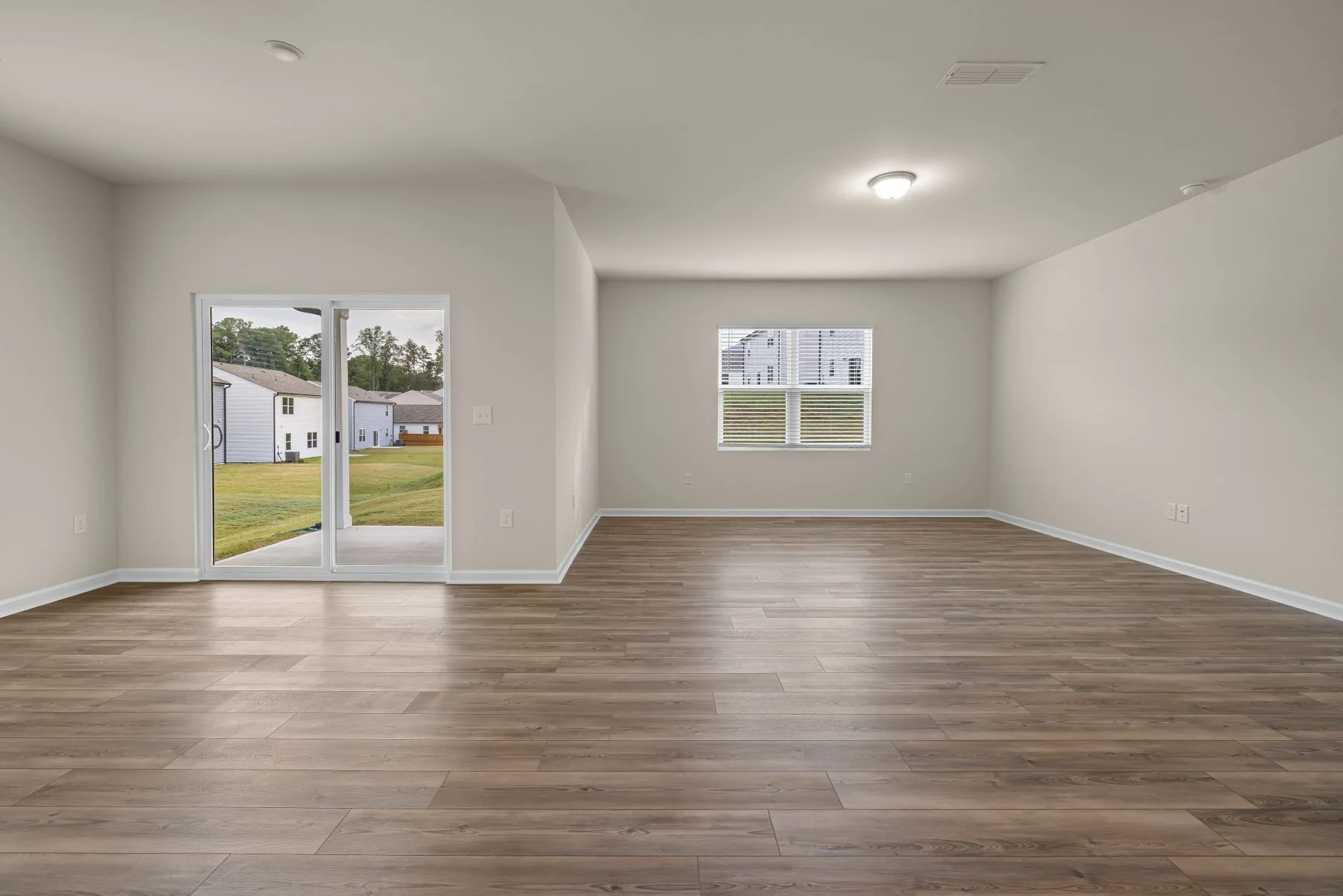
Why the season shapes the plan
South Florida homeowners live with a long stretch of the year when tropical weather is a possibility. A renovation that opens a wall, removes a window or strips a roof surface creates a temporary weak point, and nobody can say with certainty which week a storm might approach. The goal is not to avoid the season but to plan so that a change in the forecast does not leave your home exposed. Condos and townhomes add another layer, since shared roofs, walls and common areas may be controlled by an association, so ask what coordination is needed before any exterior opening is made.
Think of it as designing a project with pause points. A good plan breaks the work into stages where the house can be left in a secure, weather tight condition at the end of each stage. If the sky changes, the crew can stop at a safe point instead of being caught in the middle of something that cannot be closed up on short notice.
This kind of planning also helps outside storm season. Summer thunderstorms in this region can arrive with little warning and heavy rain, so a plan that respects weather uncertainty works all year. The extra thought up front pays off every time the weather does something unexpected.
Homeowners often ask whether it is safer to start a project right after the season ends or just before it begins. There is no single answer. A project that is mostly interior, such as cabinets, flooring or bathroom work, carries little weather exposure and can move along at nearly any time. A project that opens the roof or the walls deserves a closer look at timing, and an honest contractor will explain the tradeoffs instead of pushing one calendar window.
Building flexibility into the schedule
A flexible schedule starts with honest conversation. Ask your contractor how they handle weather interruptions, who decides to pause work, and how you will be told. The answer should include how the crew secures the site and how the schedule is adjusted afterward. We never promise specific dates or timelines on this page, because no honest contractor can control the weather.
Sequence matters. Work that opens the building envelope, such as windows, exterior doors, roofing and stucco, benefits from careful staging so that only a limited area is open at a time. Interior work such as painting, trim and cabinetry is more tolerant of delay, and it can often fill the gaps when exterior work has to wait.
Also talk about what happens to the order of work if a storm threatens. The crew may need to secure materials, close openings and clear the yard of loose items. Ask whether that effort is included in your scope or handled as a separate item, and get the answer in writing so there are no arguments at a stressful moment.
Finally, build a little breathing room around events you already know about. Family visits, school breaks and holidays all affect how comfortable it is to have work underway. Our planning page on schedule and lead time planning offers a way to map those constraints before work begins.
Lead times and the storm calendar
Materials ordered for a renovation do not always arrive when expected. Windows, doors, cabinets and specialty tile are often made to order, and the supply chain can slow down when many households are preparing at once. Instead of assuming a date, ask the supplier for the current estimate and ask your contractor how the plan will change if the delivery slips.
In the weeks around a named storm, deliveries can be disrupted and crews may be busy securing existing jobs. That means the sound strategy is to order early, confirm often and avoid scheduling critical exterior steps right at the edge of a delivery window. Planning one step of cushion on either side makes the whole job calmer.
Our guide to lead times and ordering explains how to ask about availability, and how to tell the difference between a product that is in stock and one that is made after you order. It is a small conversation that avoids a lot of frustration later in the project.
Selections affect this as well. A finish that is available from a local distributor behaves very differently on a schedule from one that ships from a distant factory. When you have a choice between two similar looking products, ask which one is easier to get and which one would be painful to replace if a piece is damaged in transit. Practical availability is a legitimate reason to choose one sample over another.
Do not forget the supplies that are easy to overlook, such as trim pieces, fasteners, adhesives, grout and sealants. A job can stall because a small item is missing just as easily as because a large one is late. Ask your contractor to confirm that everything needed for a stage is on site before that stage is started, especially before any step that leaves part of the house open.
Where materials wait on site
Materials stored on a job site are exposed to weather, theft and plain confusion. Lumber can warp in humid air, drywall sheets can sag when damp, flooring can absorb moisture before installation, and boxes of tile can get wet and split. A storage plan matters even in calm weather, and it matters more when the forecast turns.
Ask where your materials will be kept. A dry, enclosed room inside the home is often better than a garage or an open patio. Heavy items should be stacked flat and off the floor, and anything that can be damaged by moisture should be covered or kept in its packaging until it is needed.
Before a storm, loose materials outdoors become a hazard. Stacked lumber, pallets, scaffolding and loose bags can become projectiles in strong wind. The crew should secure, move or remove them, and you should know ahead of time who does that and how soon it happens. Put the responsibilities in writing so they are not forgotten.
Tools and equipment deserve the same thought. Ladders, saws, compressors, extension cords and power tools can be damaged by water and can also become hazards in strong wind. A tidy site with a defined place for tools is easier to secure in a hurry, and it is also safer on any ordinary day when children or pets are in the home.
- Choose a dry, enclosed place for moisture sensitive materials.
- Keep heavy stacks flat, off the floor and away from doorways.
- Remove or secure scaffolding, pallets and loose items before a storm.
- Agree in writing who handles site preparation when a storm threatens.
Protecting open work areas
An open work area is any part of the house where the normal weather barrier has been removed. A window opening with the old unit out, a roof section with the covering removed, or a wall open to the studs all count. The aim is to keep each opening as short lived as possible and to know in advance how it will be closed in an emergency.
Temporary protection can include sheeting, boards or temporary closures, depending on the situation. Ask your contractor what they keep on site for this purpose and how soon the crew can deploy it. Do not accept a vague promise; the details are part of an honest plan.
Interior protection is equally important. Floors, cabinets, furniture and electronics should be covered or moved from areas where water could enter. Our guide to protecting floors during construction covers the everyday side, and the principles apply even more strongly when weather is a risk.
Roofing, windows and doors in season
Roof work is the most weather sensitive part of a renovation. Once old roofing is removed, the structure below depends on temporary protection until the new system is in place. A careful plan stages the work in sections, so only the portion that can be completed is opened. Our roof replacement planning page explains how that thinking fits into a larger project.
Windows and doors also leave openings. Replacing several at once may be convenient, but it can be risky when weather is uncertain. Staging the work by room or elevation allows the crew to close each area before moving on. See impact window basics for how openings, installation and permits fit together.
If you are deciding between protective choices, the page comparing impact windows and shutters sets out how each approach works. Whatever you choose, ask your insurer what documentation they want and keep it in one folder with the permit paperwork.
Exterior paint, stucco and drainage work belong in this conversation too, and each has its own weather needs. Fresh coatings need suitable conditions to cure properly, and new work around gutters and downspouts affects how water leaves your property in a heavy rain. Our page on gutters and drainage explains how those jobs are staged so a rainy week does not undo the work.
Preparing the job site before a storm
When a storm is forecast, the first priority is people and property, not the schedule. A responsible contractor will stop work, secure the site and let you know what has been done. Ask them to describe that routine in advance. It should include closing openings, securing tools and materials, protecting interior surfaces and shutting off any equipment that should not be left running.
Our planning page on hurricane prep for job sites turns this into a checklist. Walk through it with your contractor before the project begins, not after the forecast cone appears. A calm conversation now prevents a hurried one later.
You have your own tasks as well. Photograph the state of the project, note where materials are stored, and confirm how to reach your single point of contact. Make sure that your contact information is current and that you have a way to receive messages if the power or cell service is interrupted. If you leave town, tell the contractor who has a key and who can authorize decisions while you are away.
After the storm passes
When the weather clears, the crew should inspect the site before restarting. Look for water intrusion, shifted materials, damaged temporary protection and anything that blew in. Take photographs and share them with your contractor. If you spot damage, describe what you see in plain terms and avoid guessing at causes.
Anything found behind a wall or under a covering should be treated as a discovery. In our process, the work pauses and a written change order with a price comes to you before anything proceeds. That keeps the cost of unexpected repairs visible and approved before it grows.
It is tempting to hurry back to the original schedule after a storm, and that impulse deserves resistance. Utilities may be unreliable, suppliers may be behind and inspectors may be busy. A calm restart that checks the work already done, confirms that deliveries are real and confirms inspections again is far better than pressing ahead on assumptions that no longer hold.
If the storm damaged your home beyond the renovation, that is a separate conversation. Our planning page on storm damage repair planning explains how to organize your thoughts, and our page on insurance and claims conversations helps you prepare to speak with your insurer. We do not give legal or insurance advice here.
Humidity, mold and drying out
Even without a named storm, rain and humidity can affect renovation work. Wet drywall, damp subfloors and soaked insulation need attention before they are closed in. If surfaces stay wet, mold and swelling can develop, and finishes applied over damp materials can fail early.
A careful contractor lets materials dry and checks moisture before moving on. This takes patience, and it can affect the order of work. Ask how moisture will be checked in your project and what the plan is if surfaces are still damp. Our guide to humidity and your renovation describes why this matters in our climate.
If you notice staining, a musty smell or soft materials after weather, tell your contractor promptly and describe it without trying to repair it yourself. Our page on water stains on ceilings explains what to observe and what to say. A professional should look at it before any finish goes on top.
Ventilation and dehumidification are also part of drying. Running the air conditioning steadily, using fans where the contractor suggests and keeping windows closed on humid days all help materials reach a stable condition. Ask which of those steps apply to your home during the work, because the right approach varies with the materials and the season.
Making the plan part of your written scope
The surest way to turn good intentions into practice is to put them on paper. In our process, each project begins with a walkthrough and a written scope that states what is included and what is not. For work in storm season, ask that the scope name how openings will be protected, who secures the site, and how the schedule is adjusted.
A fixed price is set against that written scope before work begins, and anything not in it is handled through a written change order. That includes unexpected discoveries and, if you want it, extra protection measures that were not part of the original plan. You decide before the work proceeds.
You will have one point of contact from estimate to punch list, the site is cleaned at the end of each working day, and the punch list is walked together before final payment. For more on scopes, read how to read a written scope of work. If you are coordinating a bigger job, staging the work room by room and trade by trade lets each stage be closed in and left secure. Ask for that staging to be written into the scope, with a clear note on which stages are weather sensitive and which can continue indoors if the forecast changes midweek.
Common questions
Should I postpone my renovation until after hurricane season?
Not necessarily. Many projects, especially interior ones, can proceed with a flexible plan. Work that opens the roof, windows or exterior walls deserves extra care and staging. Talk with your contractor about which parts are weather sensitive, and decide together how to schedule them without pretending anyone can predict the weather.
Who is responsible for securing the site before a storm?
That should be agreed in writing before work begins. Ask your contractor who secures materials, closes openings and protects interior surfaces, and what you are responsible for. Having the responsibilities in the written scope avoids confusion at a stressful moment and keeps expectations clear on both sides.
Where should building materials be stored on site?
Moisture sensitive materials such as flooring, drywall and tile are generally better kept in a dry, enclosed space and off the floor. Anything outdoors should be secured or removed before a storm. Ask your contractor to describe the storage plan and who is responsible for moving items when weather changes.
What happens to my schedule if a storm threatens?
Work normally pauses so the crew can secure the site, and the schedule is adjusted afterward. No honest contractor can promise dates around the weather. Ask how you will be notified, how restart is decided, and how deliveries and other trades will be rearranged when the pause ends.
Do I need to do anything to my renovation site before a storm?
Photograph the current state, note where materials are stored, and confirm who holds a key and who can make decisions if you are away. Also ask your contractor for their site preparation routine. Your insurer can tell you what documentation they expect, so ask them directly.
How are surprises found after a storm handled?
Anything unexpected found behind a wall or under a covering pauses the work and comes to you as a written change order with a price before it proceeds. Share photographs and describe what you see in plain terms. Avoid repairing structural or electrical concerns yourself and ask a professional to assess them.