What a high level of finish really asks of you
A project that aims for a refined result is mostly a project of small, well made decisions. Reveals between surfaces, the way a tile pattern meets a wall, the alignment of cabinet doors and the thickness of a counter edge all contribute to the feeling of a finished room. None of these details is hard to appreciate, but each one has to be specified before work starts.
That is the main lesson for homeowners in Bal Harbour or anywhere else who want a higher standard. The work is not just more expensive or more elaborate. It is more exact, and exactness has to be written down. A contractor can only build what the scope describes, so the more precisely you describe your expectations, the more likely the result matches them.
This page is general guidance for homeowners in the area, not a description of local buildings or rules. We make no claim about specific neighborhoods and no claim that we have worked in this community. What follows is a planning method you can use with any contractor, built around selections, ordering and a written scope.
Before you meet anyone, spend an evening walking your home with a notebook. Write down what bothers you, what you love and what you want to keep. Photograph the details you admire in other places and the ones you want to avoid. A clear picture of your own taste, even a rough one, makes the first conversation far more productive, because it gives the contractor something concrete to measure and price.
Selections come before the schedule
Many renovations stumble because the schedule is set before the selections are made. Cabinets, tile, plumbing fixtures, doors and lighting all have to be chosen, ordered and delivered, and several of them gate the work that follows. If you commit to a start date and then take weeks to choose a faucet, the project waits for you.
A better order is to make the major selections first, confirm what can be ordered and how long it takes, and only then fix the sequence. Treat the selections list as a working document. It should name each product, its finish, its size and the supplier, so nothing is left as a vague placeholder.
Use our checklists to stay organized. The kitchen selections checklist and the bathroom selections checklist list the decisions that homeowners most often forget, from outlet locations to door swings. The guide on selecting fixtures and finishes explains how to compare options without being swayed by a single showroom visit.
- Name each product, finish and size so nothing stays vague.
- Confirm whether an item is in stock or made to order.
- Decide the items that gate the schedule before the rest.
- Keep samples, spec sheets and receipts in one folder.
Lead times are a question, not a number
Made to order products have lead times, and those times depend on the product, the supplier and the season. We do not quote a number here, because any number would be a guess. Instead, ask the supplier directly, ask what happens if an item is delayed and ask whether a substitute is acceptable.
Custom pieces deserve extra attention. Stone slabs, custom cabinetry, special tile and made to measure glass all take time to produce, and a mistake in measurement can mean starting over. Verify dimensions on site after the walls are open and before an order is finalized whenever that is practical.
Read the guide on lead times and ordering to see how to track an order and what to ask at each step. A plan that allows breathing room for delivery is calmer than one that pretends every shipment will arrive on the day promised.
When products arrive, inspect them before installation. Open the crates, check finishes against the approved samples, count the pieces and look for chips, scratches or mismatched dye lots in tile and wood. A problem found at delivery can usually be sorted with the supplier, while a problem found after installation is harder and more expensive to resolve. Ask who will do this inspection and what they will record.
Kitchens: cabinets, counters and the lines between them
In a kitchen aimed at a high standard, the relationship between cabinets, counters, backsplash and appliances is everything. Gaps that would pass in a basic job look careless in a refined one. Appliance dimensions must be confirmed before cabinets are built, countertop seams should be placed with intent and the backsplash should meet the counter and the wall in clean, consistent lines.
Cabinet construction is a major decision. Framed and frameless cabinets look different, store differently and allow different door styles, and each affects the usable opening. Our comparison of framed and frameless cabinets and the guide to choosing kitchen cabinets explain the trade offs in practical terms.
Countertop edges, seams and overhangs are details that show up every day. A guide on countertop edges and seams will help you ask the right questions about how a slab is cut and joined. For the full process, see kitchen remodeling.
Lighting and ventilation complete the picture. A kitchen that is lovely by day can feel flat at night if the lighting is only a single overhead source. Plan layers: general light, task light under cabinets and a few softer accents. The range hood should also be sized and ducted with care, since cooking in a closed, humid climate puts real demands on air movement. Ask what the plan is before cabinets are ordered, not after.
Bathrooms: waterproofing is the invisible luxury
The most important part of a beautiful bathroom is the part you will never see. Behind the tile, a waterproofing system keeps moisture from reaching the framing and the floor below. A shower that looks flawless but leaks inside the wall is a failure, however handsome the stone may be.
Ask your contractor to explain, in plain language, how the shower pan, the walls and the corners are waterproofed and how the system is tested or inspected before tile goes on. Ask how the floor is sloped toward the drain and how the transition at the threshold is handled. Specific answers are a good sign.
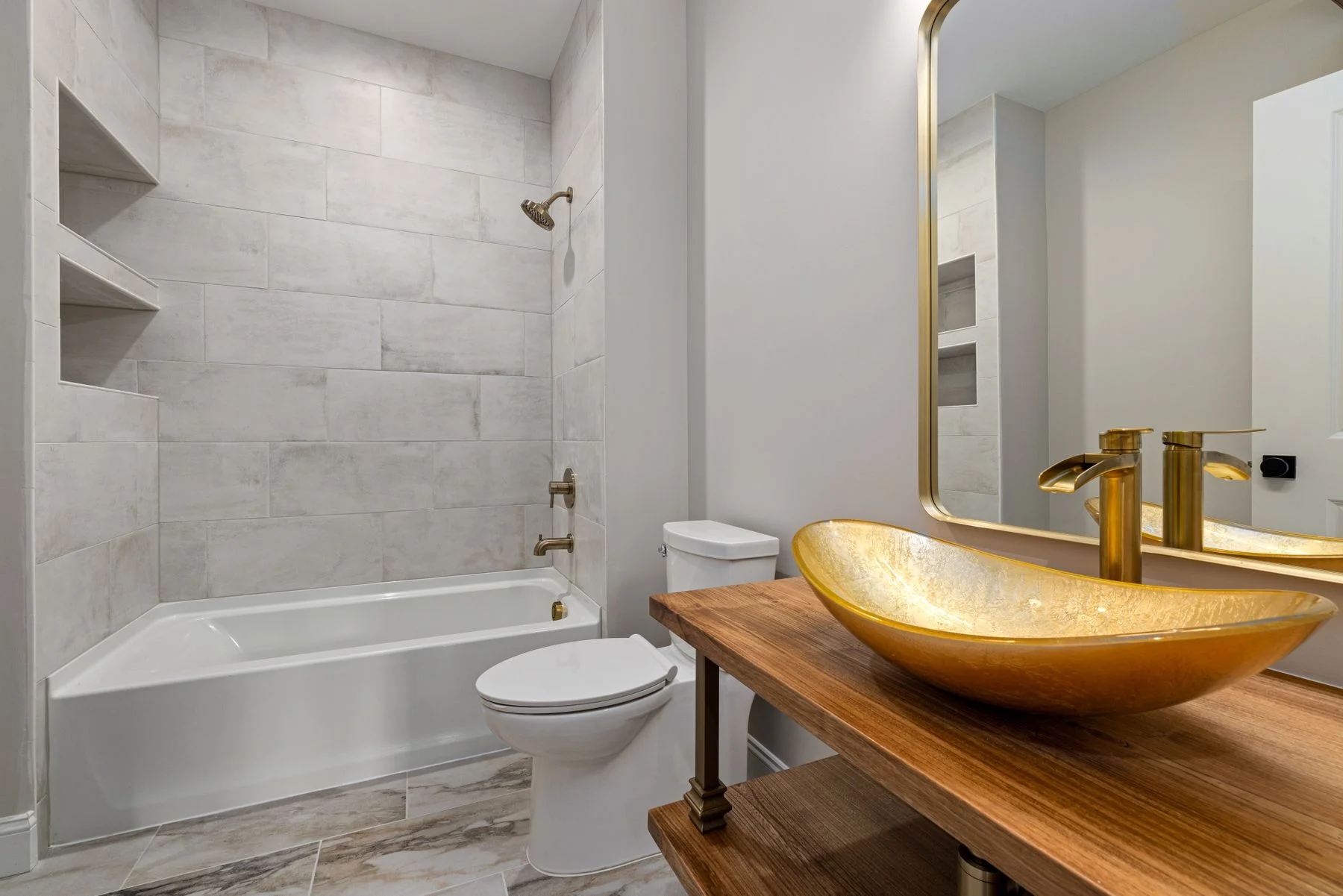
On the finish side, think about large format tile, grout width, niche placement and glass edges. Each choice has consequences for installation and for cleaning. The page on bathroom renovation and the guide on bathroom waterproofing cover the details.
Fixtures deserve a similar discipline. Valves, trim kits and drains are separate parts, and they must match each other and the rough in set behind the wall. If the fixtures are chosen after the wall is closed, the choice may be limited by what is already inside. Choose the shower system, faucets and accessories before the plumbing is roughed in, and keep the spec sheets so the right parts are installed and can be serviced later.
Flooring that runs through the whole home
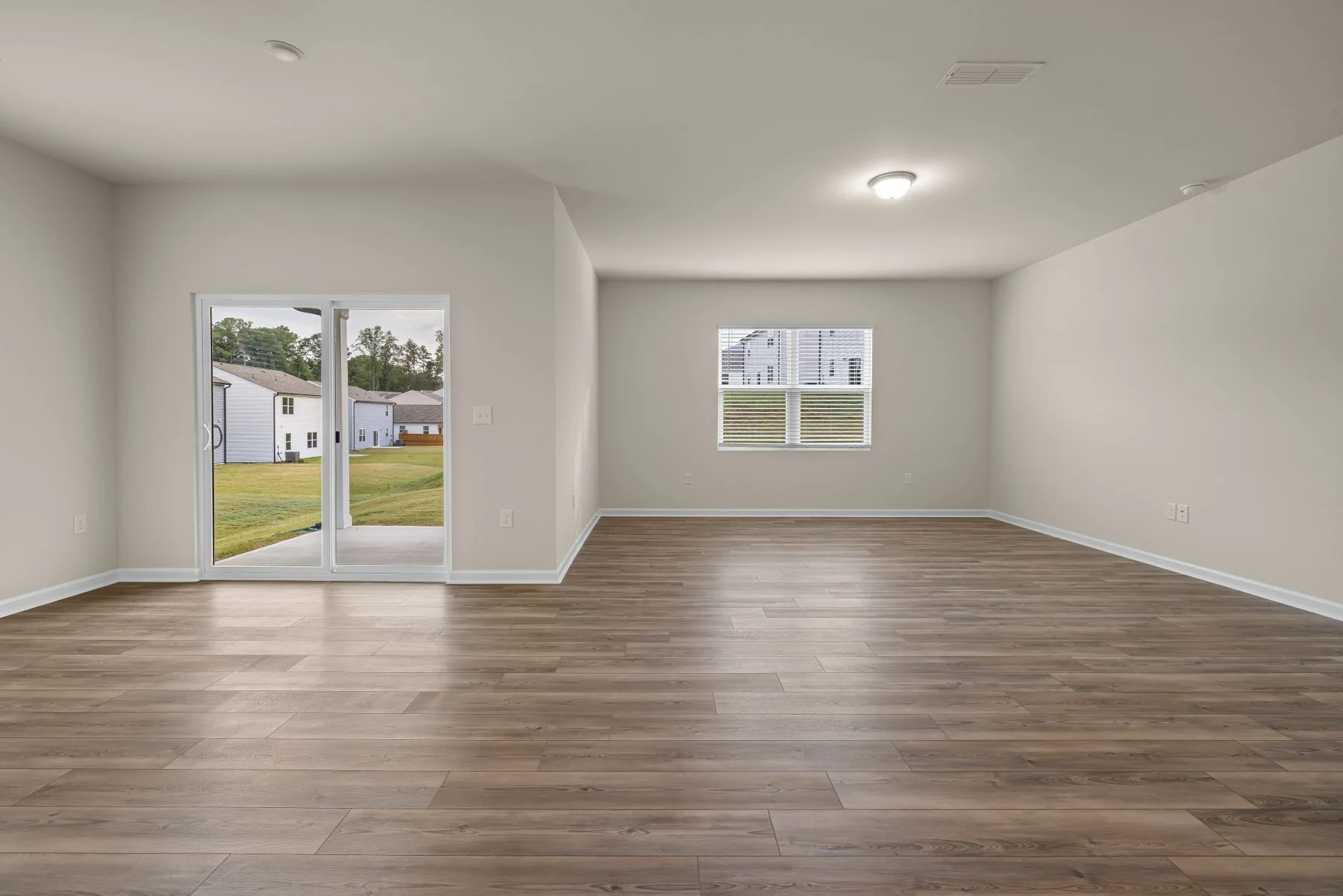
Continuous flooring is one of the clearest signs of a thoughtful renovation. A single material that flows from room to room makes a home feel larger and calmer, but it demands careful preparation. The surface underneath must be flat, dry and sound, or the finished floor will show every flaw.
Substrate preparation is rarely glamorous and is often left out of casual quotes. Ask who checks the subfloor, how high spots and low spots are corrected and how moisture is evaluated before a floor is laid. These steps decide whether wide planks stay tight, large tiles stay flat and transitions stay level.
Plan the layout as well as the material. Where a floor starts, how it meets thresholds and how it aligns with doors and stairs all affect the look. The flooring selections checklist and our service page on flooring installation go through the decisions in order.
Humidity and salt in a coastal climate add one more consideration. Wood reacts to moisture, and some adhesives and underlayments behave differently in damp conditions. Ask which flooring and installation method suits a home with air conditioning that may be turned off while you travel. A floor that tolerates seasonal change is more valuable than one that looks perfect only in a controlled showroom.
Creating a flow of color and material
Individual rooms can be beautiful and still feel disconnected. The remedy is to think about the home as a sequence of spaces and to repeat a small number of materials, tones and details so the eye moves easily from one to the next. Repetition does not mean sameness. It means that the stone in the kitchen echoes a tone in the bath and the trim style stays consistent throughout.
Create a simple palette early: a few wall colors, one or two floor materials, a metal finish and a wood tone. Test each with the actual lighting in your home, at different times of day, because natural and artificial light change how colors read.
Our guide to whole home color and material flow explains how to build such a palette and how to avoid common clashes. It is especially useful before you commit to large surfaces that are hard to change later.
If your home is a condominium unit, remember that the association may limit finishes such as flooring for sound reasons. Check those rules before you fall in love with a material, and read about condo renovation planning to see what to ask. Beautiful choices that cannot be approved only waste time, so confirm what is permitted before samples are ordered.
Comparing estimates fairly
When you gather estimates, make sure they describe the same work. One may include demolition, protection and disposal while another leaves them out. One may name a particular tile while another says allowance. The lowest looking number is not always the lowest in practice, and a higher number is not always the more complete one.
Line the documents up side by side and mark every difference. Ask each contractor to explain the gaps. A fixed price is only meaningful when it is attached to a written scope that states what is included and what is not, so insist on that scope before you compare totals.
A guide on comparing renovation estimates offers a method for doing this. For help with allowances and how they affect the final cost, read allowances explained before you begin.
Ask every contractor how they handle the unknowns. A detailed answer that mentions walkthrough findings, written change orders and prices approved before work proceeds is more useful than a promise that nothing will change. Honest uncertainty, clearly managed, is a better sign than confident vagueness. Then check whether the process they describe is written into the agreement you are asked to sign.
How we run a project from estimate to punch list
Every project we take begins with a walkthrough and a written scope. A fixed price is set against that scope before work begins, permits are pulled where the work requires them and inspections are scheduled as the job moves ahead. You have one point of contact from estimate to punch list.
Core trades are in house, and specialist work such as some electrical or mechanical tasks is done by a specialist trade under our coordination. The site is cleaned at the end of each working day. If anything is found behind a wall, work pauses and a written change order with a price comes to you before it proceeds.
This structure suits detail driven projects because it keeps decisions visible. You always know what has been agreed, what has changed and what is waiting for your approval.
It also means that your time is respected. Instead of chasing several tradespeople for updates, you speak to one person who knows the whole plan. If a question is about tile, plumbing, paint or scheduling, it goes to the same place, and the answer reflects how each part affects the others. That kind of coordination is what keeps a detailed project from drifting.
Budget conversations without surprises
Talking about money early is not rude, it is practical. Be ready to say what matters most to you, what you could live without and where you are prepared to invest. A contractor can then suggest where precision is worth the effort and where a simpler choice would serve just as well.
Frame the conversation around priorities, not a single total. Which features are essential, which are desirable and which are optional? That ranking helps when selections come in higher than expected, because you can make adjustments in the order you already chose.
Our planning page on budget conversation planning offers a structure for the discussion. Bring it, along with your selections list, to the first meeting.
Be open about decisions that are still undecided. If you are torn between two kitchen layouts, say so, and ask how each would change the scope. A good contractor will explain the consequences of both without pushing, and may suggest pricing the two options side by side. That small effort turns an anxious guess into an informed choice, and it keeps the written scope honest about which version you finally selected.
Finishing with a careful walkthrough
At the end of a detail focused project, the punch list matters more than ever. Walk the home with your point of contact before final payment. Check cabinet alignment, grout lines, paint edges, hardware, seals and the operation of every door and drawer.
Bring a light and look along surfaces at an angle, since flaws that hide in direct view often appear in raking light. Write down every item, agree on who will address it and confirm that the list is complete before the final payment is made.
Keep the scope, change orders, product details and care notes together afterward. They will make future maintenance simpler and will help any later owner understand how the home was finished.
Consider scheduling a short check in after a few weeks of living with the new rooms. Daily use reveals things a walkthrough cannot, such as a drawer that catches, a light that glares or a grout line that needs attention. Collect these observations in one list and share them with your point of contact in a single, organized message. A calm list with photos leads to a more useful response than scattered comments.
Common questions
How precise should my written scope be?
As precise as you can make it. List products, sizes, finishes and installation details instead of general terms like standard or as needed. The more exactly the scope describes the result you expect, the less room there is for disagreement when the work is built.
Should I choose every selection before work starts?
Choose the ones that gate the schedule and affect construction first, such as cabinets, windows, doors, tile and plumbing fixtures. Smaller finishes can follow, but each should still have a deadline. A selection made late can hold up other trades or force a change order.
How do I find out how long an order will take?
Ask the supplier directly and ask what happens if the item is delayed. Lead times depend on the product and the supplier, so treat any number as an estimate until confirmed. Build the schedule with room for slippage, and decide in advance whether a substitute would be acceptable.
What is the invisible part of a good bathroom?
The waterproofing behind the tile and the slope under it. These parts keep moisture out of the framing and the floor below. Ask your contractor how they are installed and checked before tile goes on, because a leak behind a finished wall is costly to correct.
Why compare estimates by scope rather than total?
Totals can hide differences in what is included. One estimate may leave out demolition, protection or disposal, or use a lower allowance for tile. Comparing scopes line by line shows which number is actually complete and which will grow once the missing items appear.
What happens if something unexpected appears during the work?
Work pauses and a written change order with a price comes to you before anything proceeds. You decide whether to approve it. This keeps the fixed price meaningful and ensures that no hidden condition leads to cost you have not seen and accepted.