Why preparation shapes the whole project
Most homeowners think of a renovation as starting on the day the crew arrives. In practice it starts a week or two earlier, when you decide what has to be moved, covered, stored or kept out of the way. A crew that arrives to a cleared, accessible work area can begin the real work at once. A crew that arrives to a crowded room has to spend its first hours moving things, and that is time and attention taken from the job.
Preparation also protects your belongings. Dust travels farther than anyone expects, and a stray tool or a dropped sheet of material can damage a surface that is not covered. The more you remove or protect before work begins, the less you need to worry about once the work is under way. It also makes the end of the project calmer, because cleanup has less to undo.
Our team begins every project with a walkthrough and a written scope that states what is included and what is not. Part of that conversation is who moves what. This page helps you come to it with answers, and gives you a simple order of tasks so that nothing is left for the night before the crew arrives.
Ask what the scope expects from you
Before you begin to pack, read the written scope with one question in mind: what does it expect me to do? Some scopes include moving furniture within the work area. Some do not. Some include protection of adjoining floors and surfaces. Some leave that to you. There is no single correct arrangement, but the scope should state it clearly, and you should know before you plan your time.
Ask also about the extent of the work area. A kitchen remodel affects the kitchen, but dust, noise and foot traffic reach the hallway, the adjoining room and the entry. Ask the point of contact where the crew will walk, where materials will be stored and which rooms will be sealed off. Having that map in your head makes every other decision easier.
Walk the house together before work begins. Point out items that are valuable, fragile or sentimental. Mention surfaces that are already damaged, so there is a shared understanding of the starting condition. Take dated photographs of each room, including areas outside the work zone, and keep them with your project documents. This is not about distrust; it is a clear record that helps everyone.
- Read the scope and note which tasks are yours and which are the crew's.
- Ask where the crew will walk, park, store materials and place a dumpster.
- Walk the house together and point out fragile or valuable items.
- Photograph each room, including areas outside the work zone.
- Confirm who your single point of contact is and how to reach that person.
Clear the work area completely
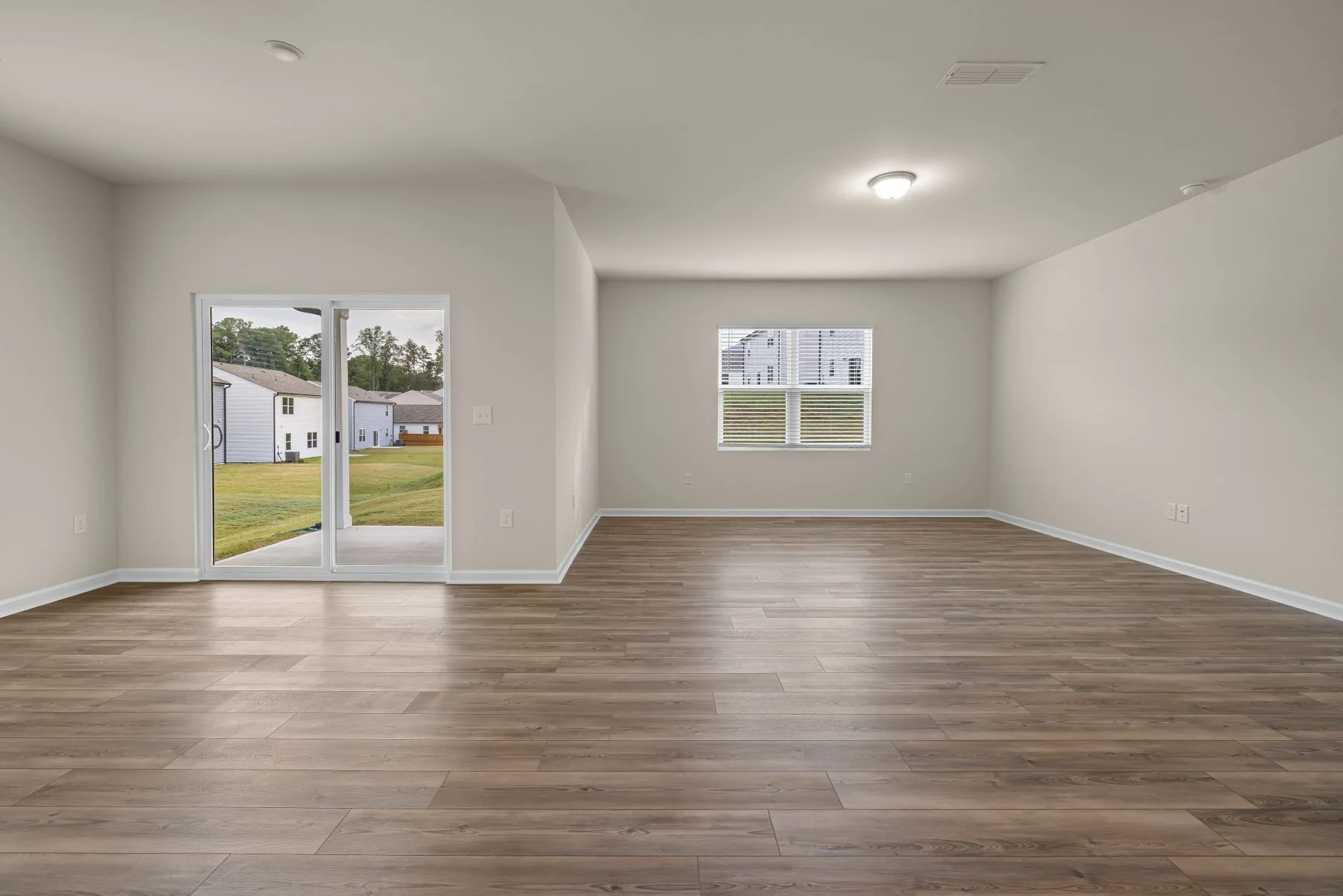
The work area should be emptied as far as possible, not just tidied. Remove furniture, rugs, wall hangings, decorative items, small appliances, curtains and anything stored on shelves. In a kitchen, that means emptying cabinets and drawers, not only the counters. In a bathroom, it means everything from the vanity, the shower and the closet. Boxes left in a work area get moved, buried or damaged.
Plan where everything goes. A spare room, a garage corner or a rented storage unit can hold the contents of one room, but only if you set it up before work starts. Label each box by room and contents so that unpacking is simple at the end. Keep a list of anything particularly valuable, and consider photographing the contents of cabinets before packing.
Large furniture that cannot leave the room should be moved to the center and covered, with a clear path around it. Avoid piling items against the walls that will be worked on. If you are unsure whether something is in the way, ask. It is much easier to move an item beforehand than to find it covered in dust or in the middle of a work path on the first day.
Protect the rest of the house
Dust and debris will reach beyond the work area unless the house is protected. Ask your contractor how the work zone will be separated from the rest of the home, which may involve plastic sheeting, floor protection and sealed doorways. Even with good control, fine dust finds its way around, so cover furniture and electronics in nearby rooms and close the vents that serve the work area.
Floors need protection along the paths used by the crew. Ask what is used and who provides it. Our guide on protecting floors during construction describes the common methods and what to ask. If you have new or delicate flooring in other rooms, point it out specifically and discuss the route that will be used through the house.
Think about the air as well. If your air conditioning system serves the work area, dust can enter the ducts and spread through the house. Ask your contractor how returns and vents in the work area will be handled. Our guide on managing dust and noise explains the options and suggests ways to reduce the effect on everyone in the home.
Plan access, parking and deliveries
Crews bring tools, materials and equipment, and they need a way in. Decide which door the crew will use, and how you will share it. A direct path from the driveway to the work area, ideally avoiding finished rooms, saves cleaning and reduces risk. Mark any steps, thresholds or low doorways that could cause trouble when carrying material.
Parking is a practical question, especially in neighborhoods with narrow streets or condo parking rules. Ask your contractor how many vehicles will arrive and where they will park. If you live in a condo, townhome or HOA community, ask your association about parking, delivery times, elevator reservations, work hours and where materials may be staged. Rules vary by building and community, so get the answers in writing.
Think about deliveries and debris. A dumpster or trailer may need driveway space, and some communities require approval for it. Large deliveries may need a clear path across your lawn or through a gate. Our working with HOA and condo rules page lists the questions to ask and the paperwork to gather early, so access is not a surprise on the first morning.
Utilities, shutoffs and the things behind the walls
Know where your main water shutoff, your electrical panel and your gas shutoff are, and make sure the crew knows too. Show them. In an emergency, the ability to close a valve in seconds matters more than any other preparation. Label the panel if it is not already, and clear access to it so no one has to move furniture to reach it.
Tell the crew about anything unusual: a pipe that has been repaired, an outlet that sometimes trips, a wall that has been opened before, a known leak. These details save time and reduce surprises. Anything found behind a wall that was not visible before pauses the work and comes to you as a written change order with a price before it proceeds, so earlier knowledge helps everyone.
Plan for temporary interruptions. Water or power may be off for periods during the work. Ask when, for how long, and what alternatives you will need. Some electrical and mechanical work is carried out by a specialist trade under our coordination, so ask about the sequence of those visits as well. If the kitchen will be out of service, our temporary kitchen setup page explains how to prepare.
The outside of the house counts too
Most preparation advice focuses on interior rooms, but the outside of a house is where much of the activity lands. Deliveries arrive in the driveway, tools are staged on the lawn, and the crew walks the same path many times a day. Look at the route from the street to the work area and ask what could be damaged along it: sprinkler heads, low plants, garden lighting, pavers, a mailbox, a gate or a fragile step.
Move vehicles, bicycles, outdoor furniture, planters and grills out of the working path before the crew arrives. If the work involves the exterior, such as windows, doors, stucco or a roof, ask whether landscaping near the walls should be cut back or covered, and who does that. A shrub pressed against a wall can be crushed by a ladder or a lift, and a tree branch can block access to the very place that needs attention.
Pools and screened enclosures deserve special thought. Debris in a pool is a headache to remove, and a screen can be torn by a dropped tool or a ladder. Ask your contractor how these will be protected, and agree on it in writing. Taking ten minutes to walk the property with your point of contact and point at each fragile item is among the most useful things you can do before work begins.
Pets, children and people who live in the house
Renovation changes the rhythm of a home. Doors open and close, strangers come and go, and tools make unfamiliar sounds. Pets can be frightened or escape through an open door. Children may be curious about the work area and its materials. Plan how to keep each safe, whether by using a separate room, a closed door or a different location during working hours.
Talk with the household in advance. Explain which areas are off limits, which door to use, and what the schedule looks like. For small children, a clear rule and a physical barrier work better than a reminder. For pets, consider temporary boarding or a quiet room away from the noise. Our pet and child safety during renovation page goes into more detail.
Consider anyone who works from home or needs quiet. Ask your contractor which parts of the day will be loudest, and plan calls, naps and study around them. If someone in the household has a medical need, mention it early so the plan can address dust, noise, temperature and access. The aim is a house that still works while it is being improved.
Valuables, privacy and security
Put valuables away before the crew arrives. Jewelry, cash, documents, electronics, keys and medications should be stored somewhere secure, ideally outside the work area and the paths the crew will use. A locked room, a closet or a safe can serve. This is simple common sense, and it removes any chance of confusion later.
Think about privacy too. Close personal papers, take down family photos in work areas, and decide whether windows and blinds need adjusting. If you plan to be away during parts of the project, tell your point of contact how to reach you and who has permission to make decisions in your absence. Clear communication avoids stalled work and unwanted guesses.
Keys and codes deserve a plan. If the crew will need access when you are away, decide how that will happen, who holds the key and what happens at the end of each day. Ask how the house is secured when the crew leaves, especially when doors or windows are removed. The site is cleaned at the end of each working day, and the house should be locked up the same way.
Sequence your own preparation
A good preparation plan moves from large to small and from far to near. Two weeks ahead, decide on storage and read the scope. One week ahead, begin clearing the work area and covering what remains. A few days ahead, confirm access, parking and utilities. The day before, walk through once more with a checklist, take final photographs and confirm the arrival time.
Not every project needs this much lead time. A small repair may need only a few hours of preparation, while a whole home renovation may need weeks. Our whole home renovation page describes larger projects, and the guide on living at home during renovation explains how to keep your household running while work continues. If you are still weighing how much to take on at once, the multi room project phasing page shows how splitting work into stages can make preparation more manageable.
Whatever the size, write down your plan and share it with your point of contact. A short list of who is doing what, when, and where things are stored helps everyone stay on the same page. Ask for a simple schedule of what will happen on each day of the first week, so you can plan around it. You will not need every detail, but you will need enough to feel prepared.
It also helps to prepare yourself, not only the house. Decide in advance how you want to receive updates, whether by a short daily conversation or a brief note, and who in the household makes choices when a question comes up. Agree on a place where questions and decisions are written down, so that nothing depends on memory. A calm, organized homeowner makes it easier for the crew to do good work, and it makes the weeks of the project feel far shorter than they would otherwise.
The first day and the days after
On the first day, be present if you can. Walk the work area with the crew, confirm the entry path, show the shutoffs, and make sure the point of contact has your phone number. Ask what will happen that day, and what will be needed from you. A short conversation at the start sets the tone for the rest of the job.
In the days that follow, keep communication simple. Ask questions as they arise, and expect answers from a single point of contact. If something unexpected appears, it will be explained and, if it affects the scope or price, put in writing. A good rhythm of daily check ins makes it easy to deal with small issues before they become large ones.
At the end of the project, the punch list is walked together before final payment. Preparation helps here too, since a protected house and a clear record make the final walkthrough easier. For a broader view of how the work unfolds, see the renovation sequence explained guide, and keep this page handy for your next project.
Common questions
How far in advance should I start preparing?
Start two weeks before for larger projects, and a few days before for small ones. Begin by reading the written scope, choosing storage and deciding what you are responsible for. A week ahead, clear the work area. The day before, walk through once more, take photographs and confirm arrival details.
Do I need to empty cabinets and closets in the work area?
Usually yes. Anything left in a work area can be moved, buried in dust or damaged. Ask your contractor what the scope expects, but plan to empty cabinets, drawers and closets in the affected rooms. Label boxes by room and contents so that unpacking afterward is simple.
How is dust kept out of the rest of the house?
Ask your contractor how the work area will be separated, which may include plastic sheeting, floor protection and sealed doorways. You can help by covering furniture and electronics in nearby rooms and closing vents that serve the work area. Even with good control, some fine dust will travel.
What should I tell the crew about my house?
Show them the main water shutoff, the electrical panel and the gas shutoff. Mention any known problems such as old repairs, tripping outlets or past leaks. Point out fragile items and already damaged surfaces. Good information at the start reduces surprises and helps everyone work with the same understanding.
What if I live in a condo or HOA community?
Ask your association for its rules in writing before the schedule is set. Common topics include work hours, parking, deliveries, elevator use, dumpsters and approval of the work itself. Rules vary by building and community, so confirm what applies to you and share it with your contractor early.
Should I be home during the work?
It helps to be present on the first day and available by phone afterward. Decide in advance who can make decisions when you are away. If you will not be home, agree on how the crew gets access and how the house is secured at the end of each day.