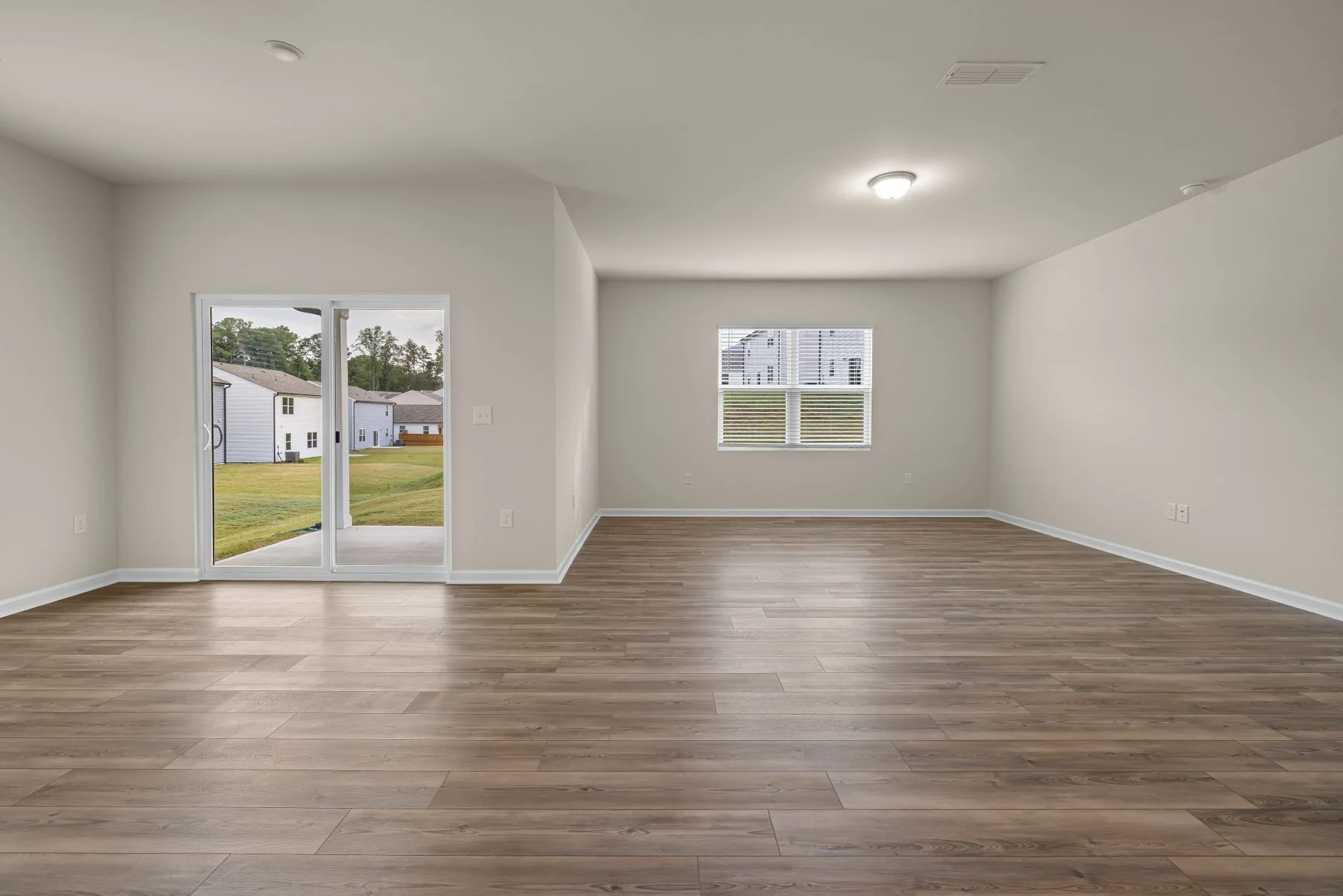
A mix of older and newer homes
South Florida neighborhoods often hold homes built in different eras side by side. An older house may have been added to, repaired and repainted many times, while a newer one may still be settling into its first decade. Each carries its own questions, and a renovation plan works better when it begins by asking what kind of house you actually have.
Age affects what is likely to be found. An older home may have original wiring, plumbing and framing hidden in walls, and materials that were common then but are less common now. A newer home may have modern systems but shortcuts or flaws that only show over time. Neither is better or worse, only different in what to watch.
This page is general guidance for homeowners in the North Miami area. It does not describe any particular street or neighborhood, and it makes no claims about local housing. Use it as a planning companion, so that you arrive at a walkthrough with observations and questions rather than only a general feeling that something needs attention.
A good first step is to write down what you know about your home: when it was built, what has been replaced, who did the work and what problems have appeared. Even incomplete notes help a contractor see patterns, and they give the written scope a more accurate starting point.
If you recently bought the home, ask the previous owner or your agent for anything they have: repair receipts, product paperwork from manufacturers, inspection reports and paint color names. If you did not receive them, say so to your contractor. Missing history is not unusual, and it simply means the walkthrough will rely more on what can be seen and measured today.
The exterior as a system
Walls, roof, windows, doors, gutters and the ground around the house work together to keep water out. If one piece fails, the others take extra load. A cracked stucco wall lets moisture into the wall, a clogged drainage path pushes water toward the foundation, and a worn roof sends water into the ceiling below.
Because of that, it helps to think about the exterior as a system, not a list of separate chores. A contractor who walks the whole outside of the house with you, looking at each part in relation to the others, is more likely to find the real cause of a symptom than one who looks only at the spot you point to.
Take a slow walk around your house after a heavy rain, if you can do so safely. Look at where water pools, which walls stay dark, where stains appear on soffits and how downspouts discharge. Take dated photographs. These observations cost nothing and help a professional understand how water moves around your home.
Pay attention to the places where different materials meet. The joint between a stucco wall and a window frame, the edge where a roof meets a wall, the point where a porch slab touches the house and the base of a column are all places where movement and water tend to concentrate. A thorough inspection looks hard at these meeting points, because they are where finishes are most likely to fail first.
Roofs: repair, replacement and the questions between
A roof is the largest single barrier between your home and the weather, and it ages in the sun and rain. Signs of trouble include stains on ceilings, missing or lifted pieces, visible wear and a roof that has simply reached an age where decisions are due. Observing these signs is the first step, not repairing them yourself.
Whether a roof needs repair or replacement is a judgment for a professional who can inspect it. Our guide with a homeowner roof observation checklist shows what you can note safely from the ground and from inside the house, and what to tell a contractor. Never climb onto a roof without proper training and equipment.
Our service pages on roof repair services and roof replacement planning explain how each type of project is organized. A replacement involves decisions about material, underlayment, flashing and drainage, and it is worth understanding them before an estimate arrives so you can ask good questions.
Ask also about the deck beneath the roof surface. If the sheathing has been damaged by long term moisture, it may need repair before new material goes on, and that is hard to know until the old roof is removed. This is exactly the sort of finding that arrives as a written change order with a price, and it is worth preparing for the possibility in your own planning.
Choosing a roof material
Roof materials differ in weight, appearance, maintenance and the way they handle wind and rain. Common types in South Florida include shingles, tile and metal, and each has strengths and trade offs. The right choice depends on your house, your community's rules, your insurer and your own priorities.
Do not choose from appearance alone. Ask how each material is attached, what lies beneath it, how it handles heavy rain and how it is expected to age in sun and salt air. Ask also about the structure that supports it, because some materials are heavier and some roofs need evaluation before a change.
Our guide to roof types for South Florida and the comparison of shingle, tile and metal roofs lay out the differences in plain language. Your association, city and insurer may have requirements, and those are theirs to state. Ask them before you commit to a material.
Think about the long view too. A roof is a decision you live with for a long time, so consider how the material will look beside your walls, how it will age and how easy it will be to repair if a piece is damaged. Ask whether matching pieces are likely to be available later, and what a typical repair involves, so that you are not surprised by a small leak in an unusual product.
- Ask what is installed beneath the visible roof surface.
- Ask how flashing around vents, walls and openings is handled.
- Ask how the roof deals with heavy rain and drainage.
- Ask what your association and insurer require, in writing.
- Ask what routine care and inspection the material needs.
Stucco: reading cracks and stains
Stucco is a common exterior finish across the region, and it is durable but not immune to movement and moisture. Hairline cracks can come from normal settling and temperature changes, while wider cracks, stains and bubbling may point to water getting behind the surface. Telling the difference takes experience.
Observe before you act. Note where cracks run, whether they are growing, whether they stain after rain and whether they align with window corners or other stress points. Photograph them in daylight with a ruler or coin beside them for scale. That record helps a professional judge what is happening.
Our guide to stucco care and cracks explains common causes, and the service page on stucco repair and finishing describes how repairs are blended so patches do not stand out. Ask how the repair will match texture and color, since an obvious patch can bother you more than the original crack.
Repainting is part of most stucco repairs, and it is worth deciding whether you want only the repaired area coated or the entire wall, since a single repainted patch often looks different from the weathered surface around it. Ask what is realistic for the result you want, and ask that the scope say which walls will be painted so there is no confusion at the finish.
Paint, prep and the sun
Exterior paint is both protection and appearance. In strong sun and humidity, paint can fade, chalk, blister and peel. The quality of the result depends heavily on preparation: cleaning, scraping, repairing cracks, priming bare areas and allowing surfaces to dry before coating.
When comparing proposals, ask what preparation is included, how moisture is addressed and how many coats are planned. A very low looking figure that skips preparation is not the same offer as a complete one. Prepared surfaces hold paint longer, which saves effort in the long run.
Our service page on exterior painting for South Florida homes explains the process, and it pairs well with your own notes on which walls fade first. Color choice matters too: darker colors absorb more heat and may need products designed for them, and your association may limit the palette.
Trim, soffits, fascia and doors are painted differently from walls, and they often show wear first because they take more direct sun and rain. Ask whether wood trim will be inspected for softness before it is coated, and what happens if a damaged piece is found. Fresh paint over rotted wood looks fine for a season and then fails, so repairs before painting are worth a conversation.
Gutters, drainage and where the water goes
Many exterior problems are really water management problems. A roof that sheds water onto a wall, a downspout that empties beside the foundation or a yard that slopes toward the house will all cause damage over time. Fixing a symptom without fixing the water path often leads to repeat repairs.
Walk the property in a storm, or just after, and watch where water goes. Does it run away from the house? Does it collect at corners? Does it splash up onto walls? Such observations help you describe the problem accurately to a contractor and avoid paying to repair something that will be damaged again.
Our page on gutters and roof drainage explains how drainage is planned and installed. In a climate with heavy seasonal rain, drainage is not decoration. It is a core part of protecting walls, soffits, landscaping and the ground beneath the house.
Landscaping plays a role as well. Plants set too close to a wall hold moisture against it, irrigation that sprays the stucco leaves stains and mineral streaks, and soil piled against a wall can bridge protective details. Ask your contractor to note any of these during the walkthrough. Small changes to how water, plants and soil meet the house often protect new work better than a more expensive material.
Planning for storm season
Hurricane season shapes exterior work in South Florida. Projects that open the roof, remove windows or strip walls need a plan for protecting the house if a storm approaches. Ask your contractor how the site is secured, how materials are stored and what happens if a forecast changes.
Homeowners often wonder about work after storm damage as well. That is a different conversation, one that involves documentation, your insurer and careful sequencing. Our planning page on planning repairs after storm damage offers a calm way to approach it.
This page cannot give insurance or legal advice, and it does not state what your policy covers. It encourages you to ask early, to record conditions with photographs and to keep paperwork organized. The better your records, the easier the conversations with everyone involved will be.
Before a storm, small preparations also protect the work. Secure loose items, keep gutters and drains clear and know where the main shutoffs are. If a project is underway, ask what the crew will do to protect the house and when they will do it. A short, written plan agreed in advance leaves little to argue about when a forecast tightens.
The walkthrough, the written scope and the fixed price
Every project with this company starts with a walkthrough. For exterior work, that means walking around the house, looking at roof edges, walls, openings, drainage and ground, and asking about the history of repairs. Expect to be asked about leaks, stains and anything that has been patched before.
A written scope follows, listing what is included and what is not, and a fixed price is set against it before work begins. For exterior projects, check that the scope names materials, preparation steps, flashing details and cleanup. Vague scopes lead to disagreements that clear ones avoid.
If anything is found behind a wall or under a roof surface, the work pauses and it comes to you as a written change order with a price before it proceeds. That is especially important on exterior work, where hidden damage is common. You keep control of the decision, and the original agreement stays visible.
Permits, associations and your city
Roofs, openings and structural exterior changes often require permits, while smaller repairs may not. What applies depends on the work, the building and the city, so the building department that serves your address is the authority. Associations may also have rules about colors, materials and approvals.
This company pulls permits where the work requires them and schedules the inspections. Your role is to ask your association what it needs and to keep copies of every document. For roofs, inspection records and product information can matter later, so ask your contractor which documents you will receive.
Requirements vary by city, building and community, and they change. Do not rely on informal advice. A direct call or message to the right office, with the answer recorded, is far more reliable. Share what you learn with your contractor before the scope is finalized.
Timing matters with approvals, so ask each office how long requests normally take to be handled and what they need from you. Build that into the calendar, especially if made to measure materials are involved. A project that waits on paperwork while the house sits open to the weather is a project nobody wants, so the order of approvals, ordering and demolition deserves attention.
Neighboring cities and finishing the job
North Miami sits near several other cities with their own mixes of housing. If you want to read the same kind of general guidance for nearby places, see the pages for North Miami Beach and Miami Gardens. They follow the same approach and avoid local facts.
At the end of the project, the punch list is walked together before final payment. The site is cleaned at the end of each working day, and for exterior work, walk the perimeter at the finish to look at paint edges, sealant lines, gutters, landscaping and any area where equipment sat.
With one point of contact from estimate to punch list, you know who to call for follow up. Keep your documents, photographs and product information in one place. A well documented exterior project is easier to maintain, easier to explain to an insurer and easier to hand to the next owner.
Common questions
How do I know whether my roof needs repair or replacement?
That judgment belongs to a professional who can inspect it. You can help by noting ceiling stains, visible wear and age, and by taking dated photographs from the ground and from inside. Never climb onto a roof without proper training and equipment.
Are stucco cracks a serious problem?
Sometimes, and sometimes not. Hairline cracks can come from normal movement, while wider cracks, stains or bubbling may suggest moisture. Photograph them with a coin for scale, watch whether they grow, and have a professional look so repairs address the cause.
What should be included in an exterior painting scope?
Preparation matters most: cleaning, repairing cracks, priming bare areas and drying time, along with the number of coats and the products used. Ask that the scope list each step so proposals can be compared on what is included, not only the total.
Do exterior projects need permits?
Roofs, openings and structural changes often do, while small repairs may not. It depends on the work, the building and the city, so ask the building department that serves your address. Your association may also have rules about colors, materials and approvals.
How is the project handled if a storm is forecast?
Discuss it before work begins. Ask how openings are protected, how materials are secured and who decides when to pause. Treat the timing for custom products as a question for the supplier, and build your schedule around what you learn.
What happens if hidden damage is found?
The work pauses and the finding comes to you as a written change order with a price before it proceeds. You can ask questions and take time to decide. The original scope and fixed price remain, and the addition is documented separately.